Choosing new furniture for your home can be exciting, but it can also be confusing when different terms seem to describe the same thing. One common example is the ongoing debate between a couch and sofa. Many homeowners use these words interchangeably, while others believe they refer to completely different types of furniture.
If you’ve ever browsed furniture stores or searched online for living room seating, you’ve likely noticed that some retailers use the term sofa, while others prefer couch. This often leads shoppers to wonder whether there is an actual difference between the two or if it’s simply a matter of personal preference.
Understanding furniture terminology can be surprisingly helpful when comparing products, reading buying guides, and selecting pieces that suit your home. While the distinction between a couch and sofa may seem minor, the terms can sometimes carry different associations related to design, style, and functionality.
Beyond terminology, choosing the right seating is one of the most important decisions when designing a living room. The right piece can improve comfort, support your lifestyle, and help create a cohesive interior design. Whether you’re furnishing a new home, upgrading an existing living space, or simply curious about furniture terminology, understanding the relationship between a couch and sofa can make the buying process easier.
In this guide, we’ll explore the history of both terms, examine whether there are any meaningful differences between them, and discuss how to choose the right seating option for your home based on comfort, style, and functionality.
Are a Couch and Sofa the Same Thing?
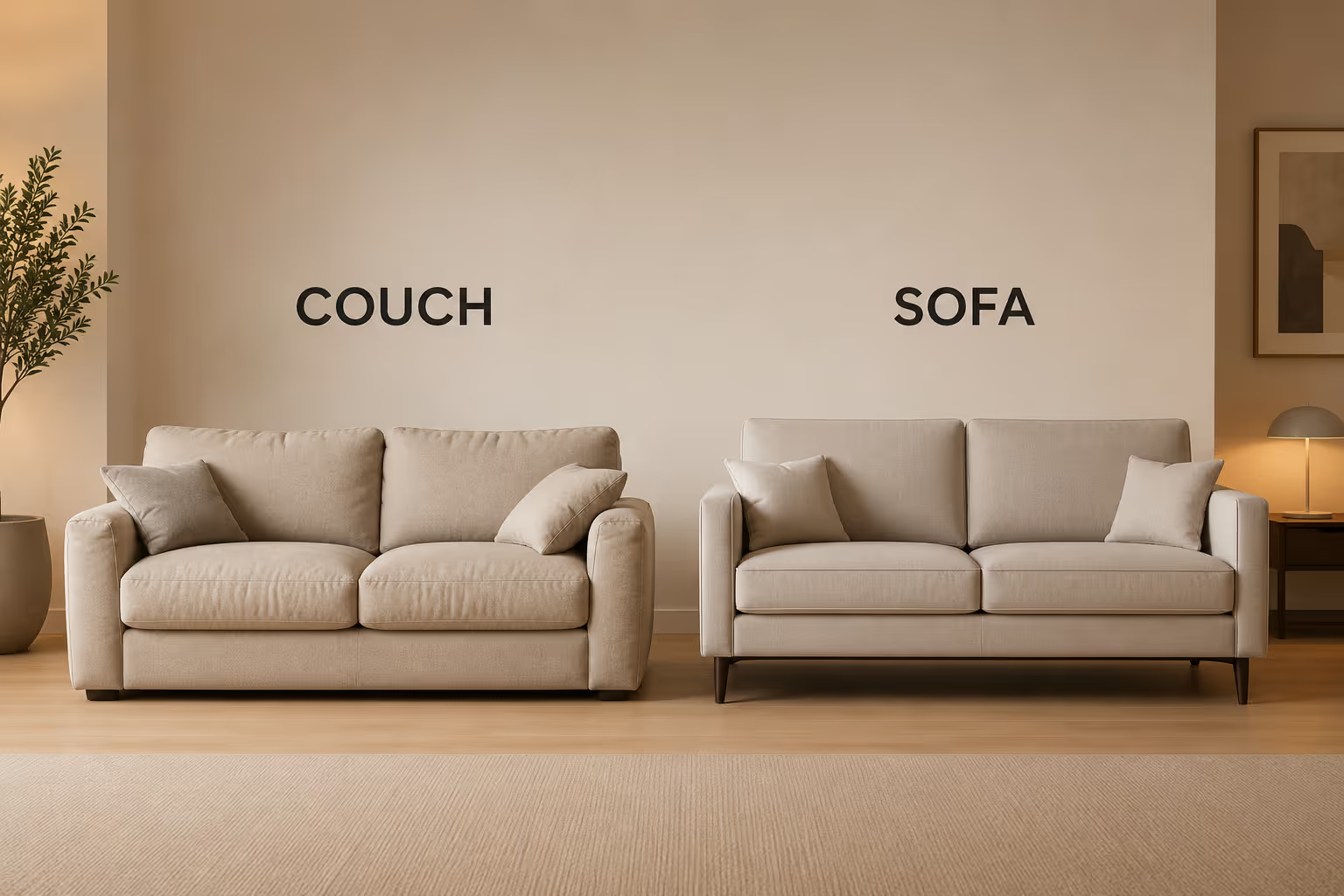
The short answer is yes—in modern furniture terminology, a couch and sofa generally refer to the same type of furniture. Both terms describe an upholstered seating piece designed to accommodate multiple people and provide comfort within a living space.
Today, most furniture manufacturers, retailers, designers, and homeowners use the words interchangeably. Whether a product is advertised as a couch or a sofa, the furniture itself is usually very similar in appearance and function.
One reason for this overlap is that language evolves over time. As furniture styles changed and became more widely available, the distinction between the two terms gradually became less important. Modern furniture stores often use both words throughout their marketing and product descriptions to match different customer search preferences.
Regional differences also play a role. In some countries and regions, sofa is the more commonly used term, while in others, couch is preferred in everyday conversation. For example, many people consider sofa to sound slightly more formal, whereas couch often feels more casual and relaxed.
Despite these differences in perception, there is no universal industry standard that clearly separates one from the other. In most situations, homeowners can focus less on the label and more on important factors such as comfort, quality, size, and style.
Ultimately, whether you call it a couch or a sofa, the goal remains the same: creating a comfortable and attractive seating area that complements your home and lifestyle.

The History of the Couch and Sofa
Although the terms are often used interchangeably today, couch and sofa actually come from different linguistic and cultural origins. Understanding where these words originated helps explain why both remain popular in modern furniture terminology.
Where the Word “Sofa” Comes From
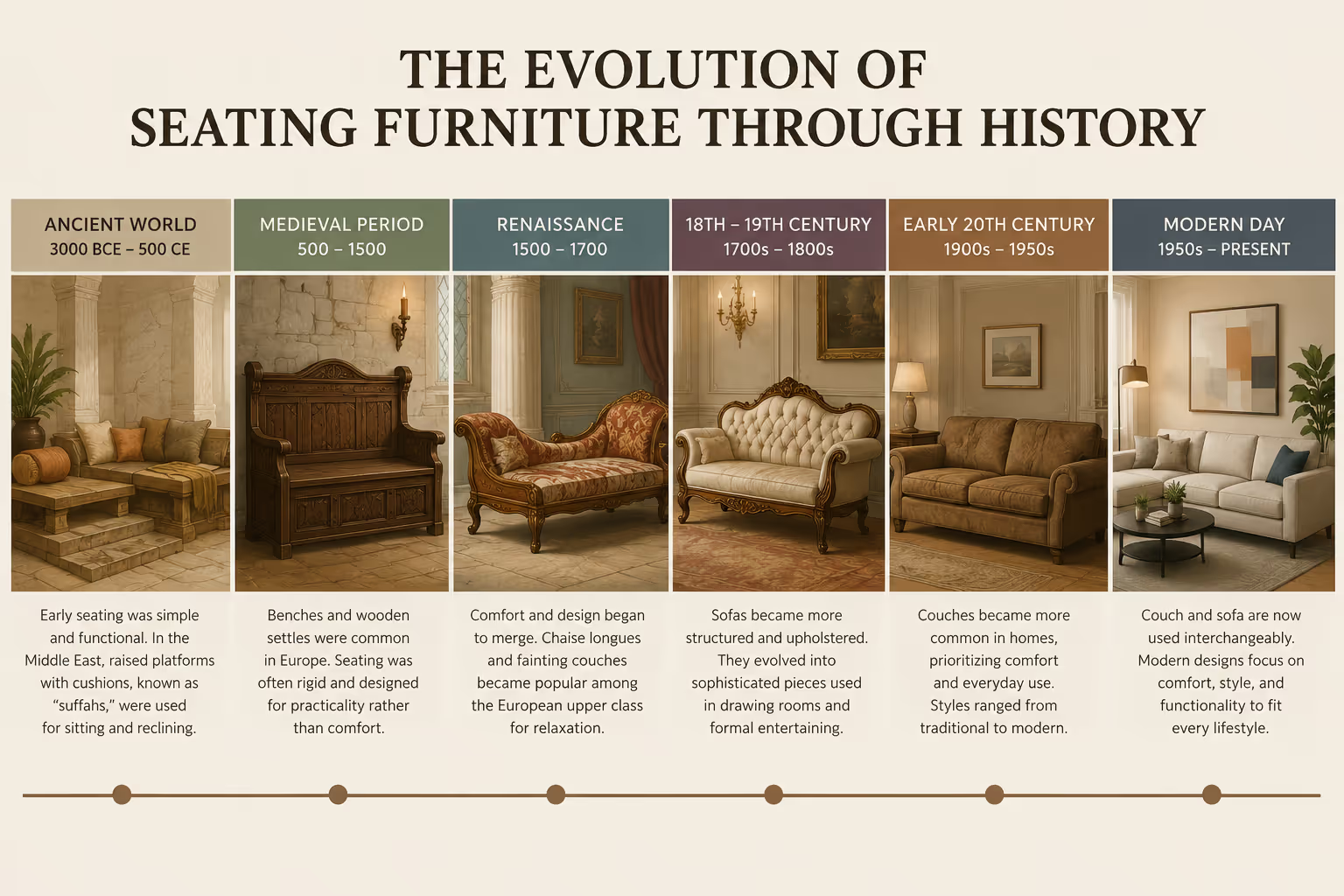
The word sofa traces its origins to the Arabic word “suffah,” which referred to a raised platform covered with cushions and blankets for sitting or reclining. This style of seating became popular throughout the Middle East before eventually influencing European furniture design.
As trade and cultural exchange expanded, the concept of cushioned seating evolved and spread across different regions. Over time, the word was adopted into several European languages before becoming part of modern English vocabulary.
Today, the term sofa is commonly associated with structured, upholstered seating designed for living rooms and formal entertaining spaces.
Where the Word “Couch” Comes From
The word couch originates from the French verb “coucher,” meaning “to lie down” or “to recline.” Historically, a couch referred to furniture designed primarily for lounging or resting rather than formal sitting.
Early couches often resembled daybeds or reclining furniture, reflecting their original purpose of relaxation and comfort. As furniture design evolved, the term gradually became associated with general household seating.
Over time, the practical differences between a couch and sofa became less distinct, and both terms began referring to similar furniture pieces.
How the Terms Became Interchangeable
As furniture manufacturing expanded and modern interior design evolved, the distinction between couch and sofa became increasingly blurred. Retailers began using both terms to appeal to different customer preferences, while homeowners adopted whichever word felt most natural in their region or culture.
Today, the furniture industry largely treats the two terms as synonyms. While some designers may use subtle distinctions for marketing or stylistic purposes, most consumers use couch and sofa interchangeably without any confusion.
The continued popularity of both words reflects the influence of language, culture, and personal preference rather than any significant difference in furniture design.
Modern Differences Between a Couch and Sofa
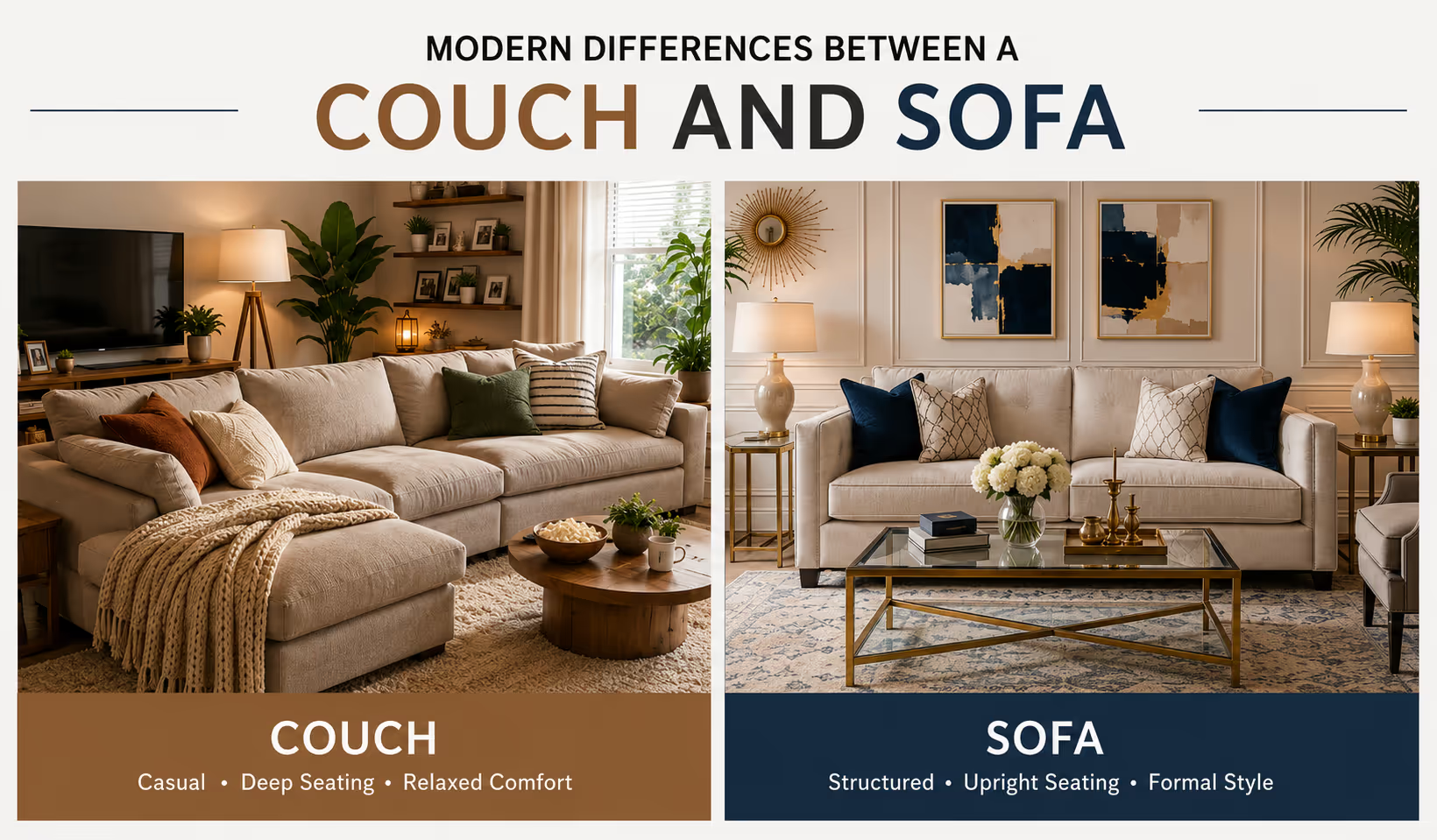
While a couch and sofa are generally considered the same type of furniture today, some designers, retailers, and interior design professionals still use the terms slightly differently. These distinctions are usually based on style, appearance, and intended use rather than any formal industry standard.
What Is Typically Considered a Sofa?
A sofa is often viewed as the more formal of the two terms. It typically describes a structured seating piece with defined arms, a tailored appearance, and a design intended to complement the overall décor of a room.
Sofas are commonly found in living rooms, formal sitting areas, and spaces where aesthetics play an important role. They often feature coordinated upholstery, elegant detailing, and designs that contribute to a polished interior style.
Because of these associations, many furniture retailers prefer the term sofa when marketing premium or designer seating collections.
What Is Typically Considered a Couch?
A couch is often associated with relaxation and everyday comfort. The term tends to evoke a more casual image, making it popular when describing family rooms, media rooms, and informal living spaces.
People often refer to lounging on the couch while watching television, reading, or spending time with family. Because of this relaxed association, the word couch is frequently used in everyday conversation even when referring to furniture that retailers might describe as a sofa.
In practical terms, however, many modern couches and sofas share the same construction, materials, and overall design.
Why the Difference Often Doesn’t Matter
For most homeowners, the distinction between a couch and sofa has very little impact on the furniture they ultimately choose. The majority of furniture stores use both terms interchangeably, and product quality is not determined by whether a manufacturer labels an item as a couch or a sofa.
Instead of focusing on terminology, it’s far more important to consider factors such as comfort, size, durability, upholstery materials, and how the furniture fits within your home.
Whether you prefer to call it a couch or a sofa, choosing a design that suits your lifestyle and complements your interior décor will always be more important than the name attached to it.
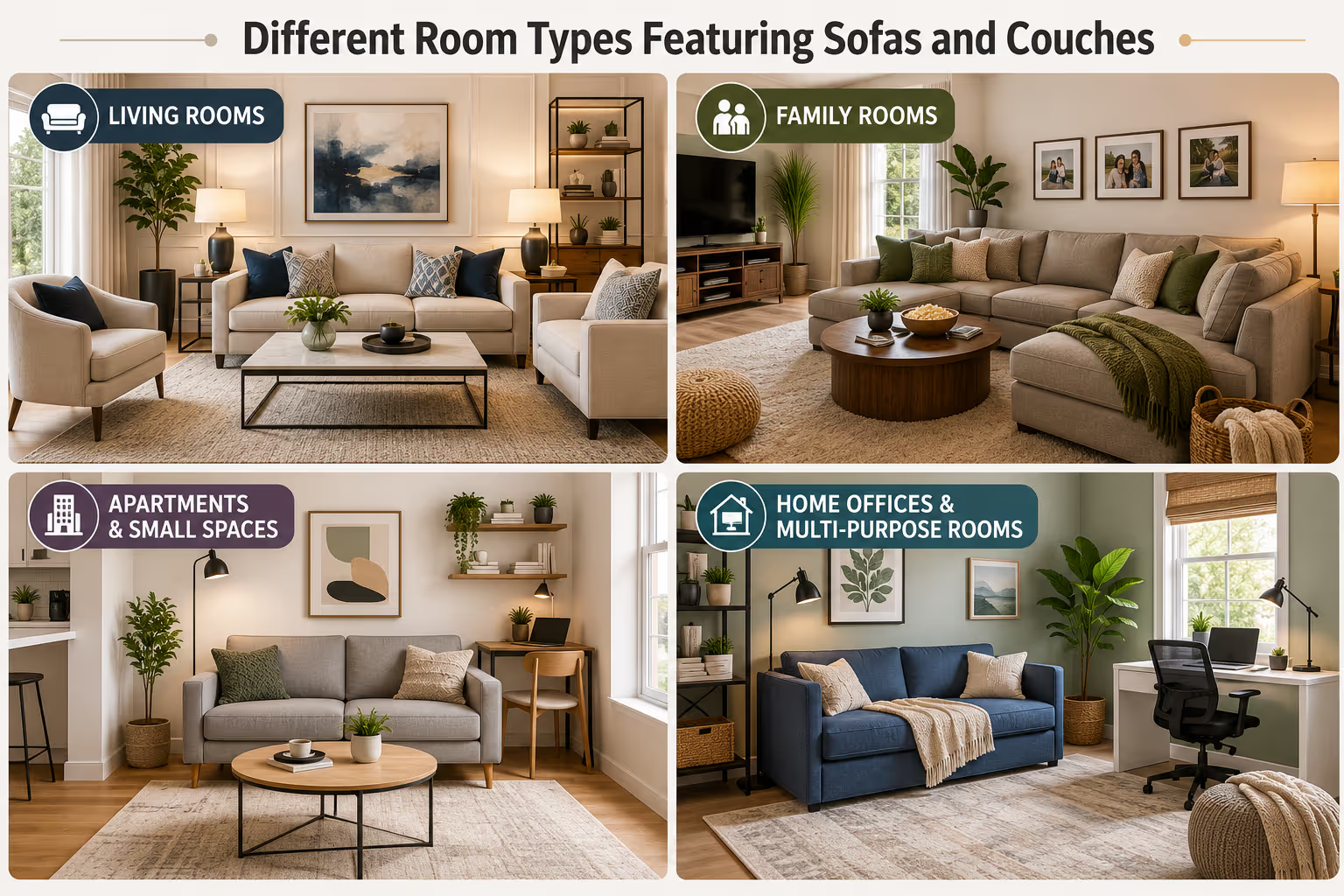
Which Option Works Best for Different Rooms?
While the terms couch and sofa are often used interchangeably, the best choice depends less on the name and more on how the furniture will be used within your home. Different rooms have different requirements when it comes to comfort, durability, size, and style.
Understanding how seating functions in each space can help you choose furniture that not only looks great but also supports your everyday lifestyle.
Living Rooms
The living room is often the main gathering space in a home and is usually one of the first rooms guests see. For this reason, many homeowners prioritize style, proportions, and visual appeal when selecting seating.
A well-chosen sofa can act as a focal point while helping define the overall design direction of the room. Consider how the seating will coordinate with coffee tables, rugs, entertainment units, and decorative accessories.
In more formal living rooms, structured designs with clean lines often work best, creating a polished and sophisticated appearance.
Family Rooms
Family rooms are designed for comfort, relaxation, and everyday use. Furniture in these spaces needs to withstand regular activity while remaining comfortable for long periods.
When choosing seating for a family room, prioritize durable upholstery, supportive cushions, and easy-to-maintain materials. Larger sectional sofas, deep-seated couches, and family-friendly fabrics are often ideal choices.
The goal is to create a welcoming environment where everyone can relax comfortably.
Apartments and Small Spaces
Apartments and compact homes require furniture that makes efficient use of available space.
Look for seating with a smaller footprint, slim arms, and multifunctional features. Sofa beds, modular seating, and compact couches can provide comfort without overwhelming the room.
Choosing furniture that fits the scale of the space helps maintain an open and uncluttered appearance while improving traffic flow throughout the room.
Home Offices and Multi-Purpose Rooms
As homes become more flexible, many rooms now serve multiple functions. A home office may also act as a guest room, reading nook, or occasional entertainment space.
In these environments, versatile seating is often the best choice. Compact sofas, sofa beds, and modular furniture can provide comfortable seating while adapting to different needs over time.
Selecting furniture that balances practicality and comfort helps maximize the functionality of multi-purpose spaces.
Key Factors to Consider Before Buying
Regardless of whether you call it a couch or a sofa, there are several important factors to evaluate before making a purchase. Taking the time to consider these details can help ensure your new furniture fits both your room and your lifestyle.
Room Size and Layout
Before shopping, measure the available space carefully.
Consider the dimensions of the room, nearby furniture, walkways, and architectural features such as doors and windows. A seating arrangement should feel balanced within the room rather than overcrowding it.
Maintaining adequate clearance around furniture helps improve movement and creates a more comfortable living environment.
Comfort and Cushion Support
Comfort should always be a top priority.
Pay attention to seat depth, cushion firmness, back support, and overall ergonomics. Different people have different preferences, so it’s important to choose seating that aligns with how you relax and use the space.
Furniture that looks beautiful but feels uncomfortable can quickly become disappointing in everyday use.
Upholstery Materials
The upholstery material significantly affects appearance, maintenance requirements, and durability.
Fabric upholstery offers a wide variety of colours, textures, and styles, making it one of the most versatile options available.
Leather upholstery provides a timeless and sophisticated appearance while offering excellent durability and easy cleaning.
Performance fabrics are becoming increasingly popular because they offer stain resistance and improved durability for busy households.
Durability and Construction
A quality frame and well-constructed cushions play a major role in the lifespan of your furniture.
Look for sturdy hardwood or engineered timber frames, reinforced joinery, and high-density foam cushions that retain their shape over time.
Investing in better construction often results in greater long-term value and improved comfort.
Colour and Style
The colour and style of your seating should complement the rest of the room.
Neutral colours such as grey, beige, white, and charcoal remain popular because they work well with a wide range of interior styles.
For homeowners looking to create a statement, bold colours and textured fabrics can add personality and visual interest.
The key is choosing a design that blends naturally with your existing décor while supporting the atmosphere you want to create.
How Floating Shelves Can Complete Your Living Room Design
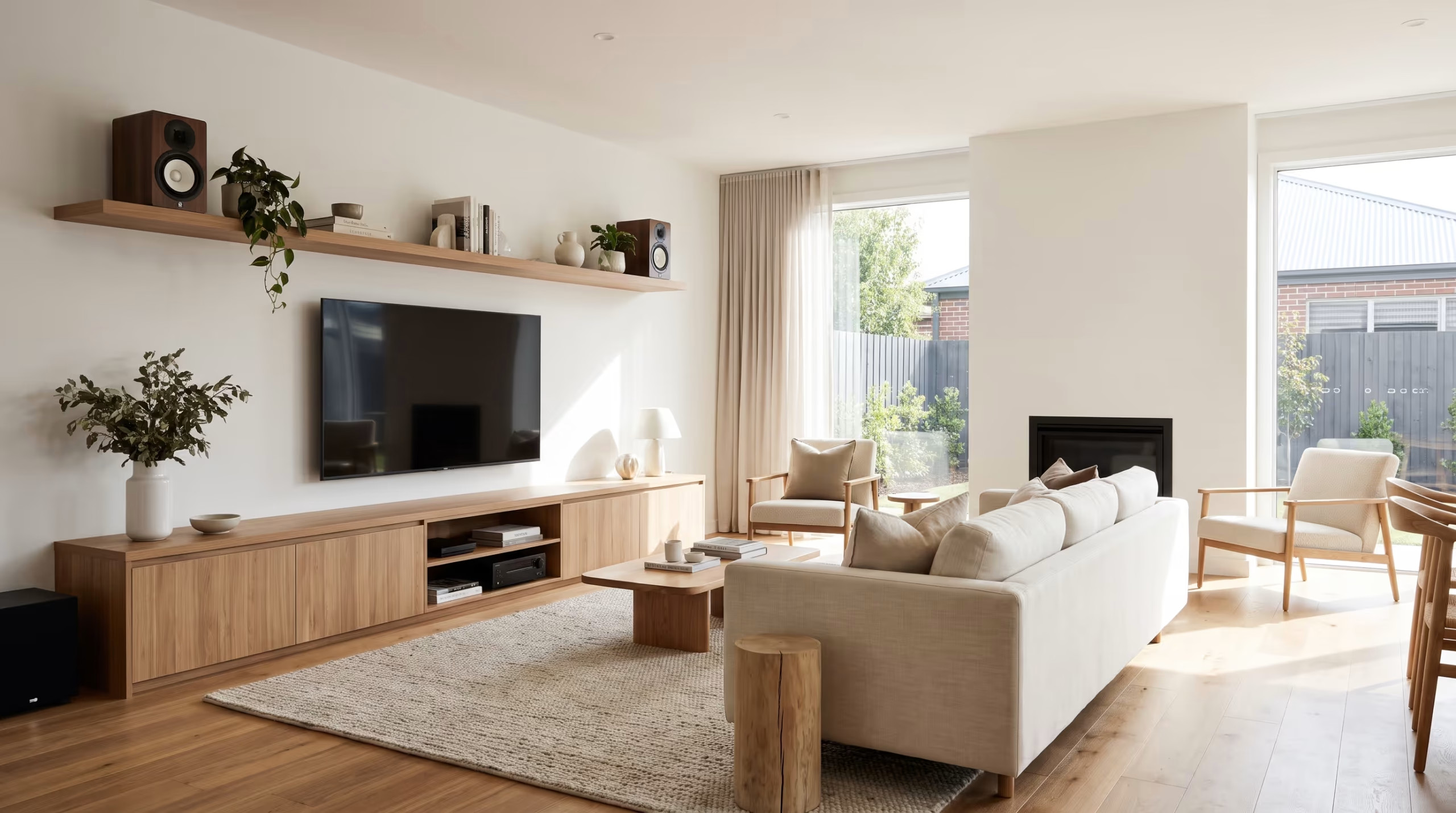
Choosing the perfect couch or sofa is only one part of creating a functional and visually balanced living room. While seating provides comfort and defines the layout of the space, wall storage and display solutions help bring the entire design together.
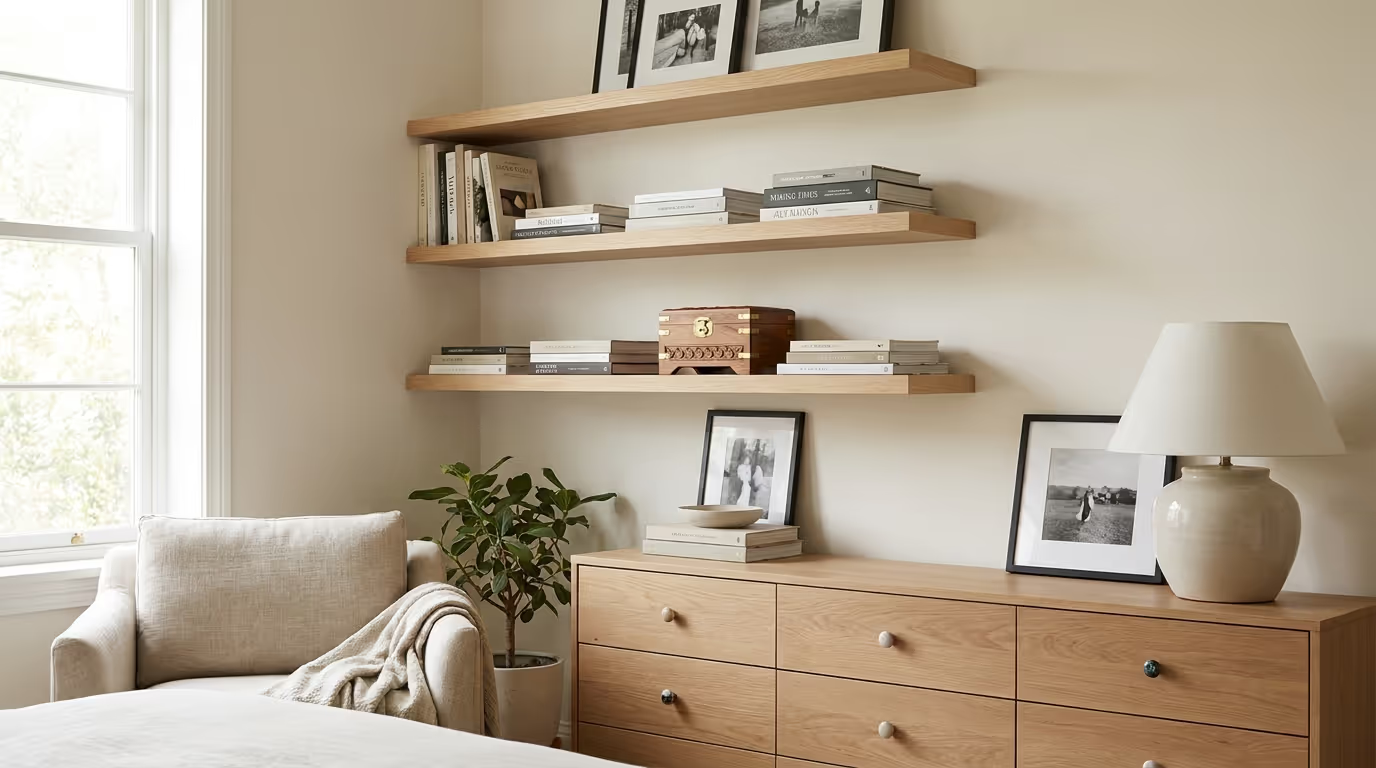
Floating shelves offer an excellent way to add storage, display décor, and create visual interest without occupying valuable floor space.
Floating Shelves for Modern Living Rooms
Modern interiors often focus on clean lines and uncluttered spaces. Floating shelves fit perfectly within this design philosophy by providing practical storage while maintaining a sleek appearance.
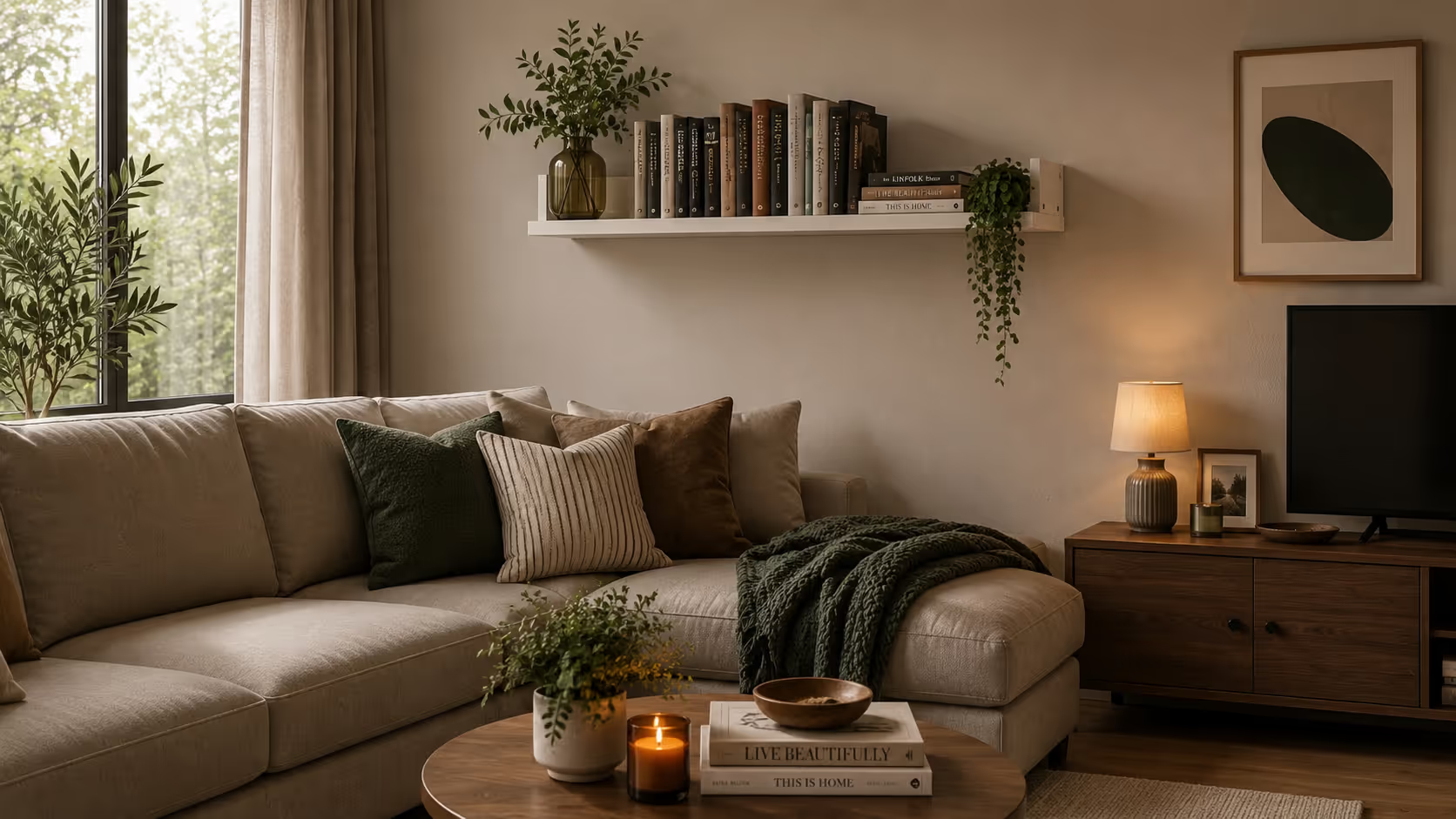
Many homeowners install Floating Bookshelves above seating areas to display books, artwork, framed photographs, and decorative accessories.
White shelving works particularly well in contemporary and Scandinavian-inspired interiors where brightness and simplicity are key design elements.
Contemporary Styling with Glass Shelves
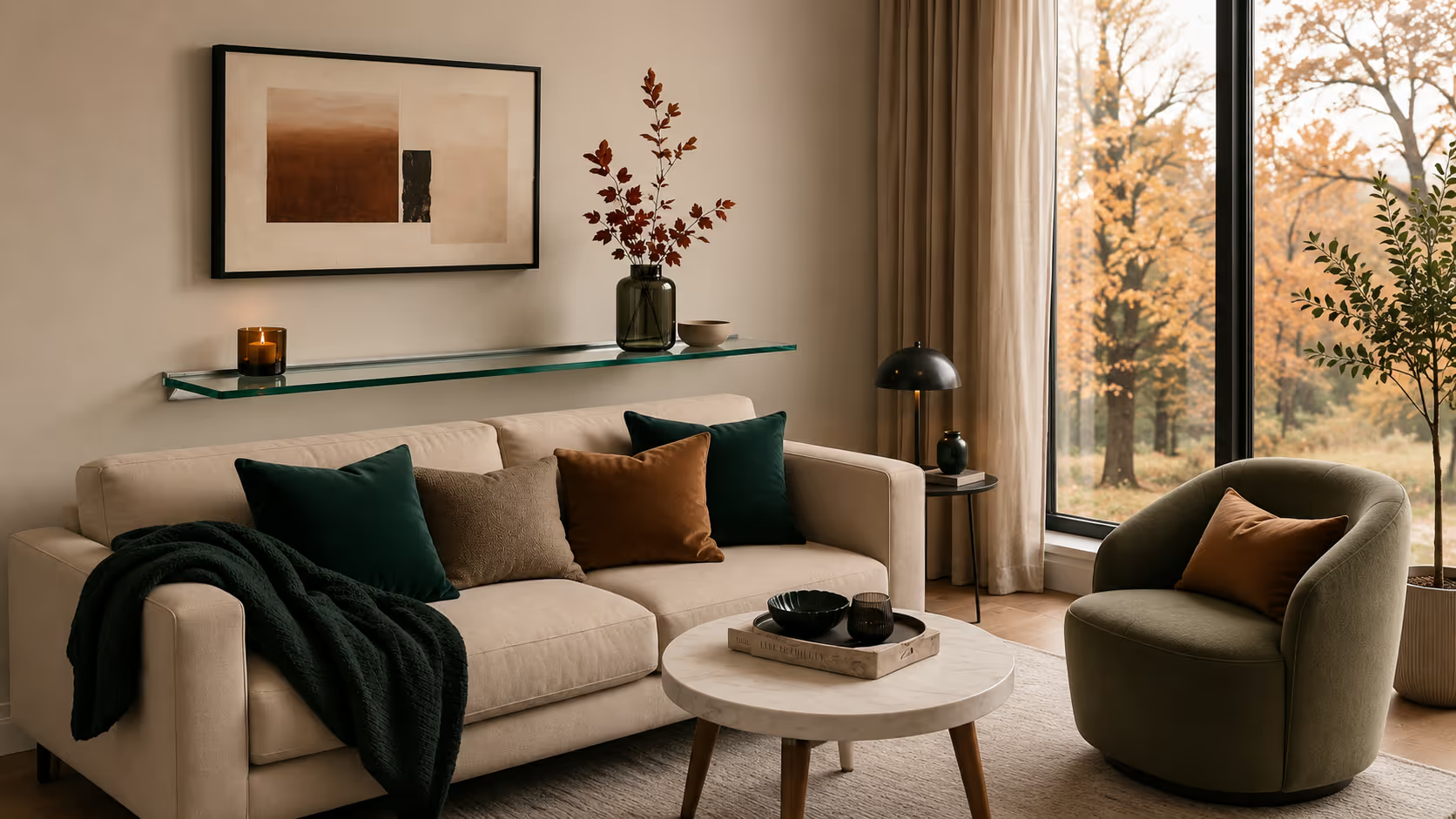
Glass shelving offers a clean and elegant solution for modern living rooms.
Floating Glass Shelves create an open and airy appearance while reflecting light throughout the room. Their minimalist look allows decorative items to stand out without adding visual heaviness to the space.
Glass shelves are particularly effective in smaller living rooms where maintaining a sense of openness is important.
Common Mistakes People Make When Choosing a Couch or Sofa
Choosing the right seating can significantly improve the comfort and functionality of your home. However, many homeowners make common purchasing mistakes that can lead to discomfort, poor room layouts, or furniture that doesn’t meet their long-term needs. Understanding these pitfalls can help you make a more informed decision.
Buying Without Measuring
One of the most common mistakes is purchasing furniture without accurately measuring the available space.
A couch or sofa may look perfectly sized in a showroom but feel overwhelming once placed in a living room. Before buying, measure the room dimensions, doorways, hallways, and any access points to ensure the furniture fits comfortably both during delivery and after installation.
It’s also important to leave enough clearance for walking paths and other furniture pieces.
Choosing Style Over Comfort
A beautiful piece of furniture can quickly become frustrating if it’s uncomfortable to use.
Many buyers focus heavily on appearance while overlooking factors such as seat depth, cushion firmness, and back support. Since seating is used daily, comfort should always be considered alongside aesthetics.
Whenever possible, test different seating options to find the right balance between design and usability.
Ignoring Material Durability
Different upholstery materials perform differently depending on household needs.
For example, homes with children or pets often benefit from durable, stain-resistant fabrics that can withstand everyday wear. Leather offers excellent durability and easy maintenance, while some delicate fabrics may require more care.
Choosing a material that suits your lifestyle helps ensure your furniture remains attractive and functional for years.
Purchasing Furniture Too Large for the Room
Oversized seating can make a room feel cramped and reduce overall functionality.
Large sectionals and deep sofas may work well in spacious living rooms but can overwhelm smaller spaces. Selecting furniture that complements the room’s scale helps maintain visual balance and comfortable movement throughout the area.
Proper proportions are often more important than choosing the largest possible seating option.
Forgetting About Long-Term Needs
Furniture should support both your current lifestyle and future requirements.
Many homeowners purchase seating based solely on immediate needs without considering factors such as growing families, changing room layouts, or future moves. Investing in versatile, high-quality furniture often provides greater long-term value and flexibility.
By avoiding these common mistakes, you can choose a couch or sofa that delivers lasting comfort, functionality, and style.
Why Quality Seating Is a Long-Term Investment
A well-made couch or sofa is more than just a place to sit—it’s one of the most frequently used furniture pieces in the home. Investing in quality seating can improve everyday comfort while providing long-term value and durability.
Better Comfort
High-quality seating typically features superior cushion construction, ergonomic support, and better upholstery materials.
These elements contribute to a more comfortable experience whether you’re relaxing with family, entertaining guests, or enjoying a quiet evening at home.
Improved Durability
Quality furniture is built using stronger frames, better joinery techniques, and more durable upholstery materials.
As a result, it is often better equipped to withstand years of daily use while maintaining its appearance and structural integrity.
Enhanced Room Aesthetics
A well-designed couch or sofa can instantly elevate the appearance of a room.
Premium materials, thoughtful craftsmanship, and timeless styling help create a polished and inviting living environment that remains appealing even as design trends evolve.
Long-Term Value
Although higher-quality furniture may require a larger initial investment, it often proves more economical over time.
Durable construction reduces the likelihood of premature replacement, helping homeowners avoid the expense and inconvenience of frequently purchasing new furniture.
Supporting Changing Lifestyle Needs
As families grow and lifestyles evolve, versatile seating solutions continue to provide value.
A quality couch or sofa can adapt to different room layouts, décor updates, and household needs while remaining a central feature of the living space.
Conclusion
When it comes to the debate between a couch and a sofa, the differences are often far smaller than many people realize. In modern furniture terminology, both terms are commonly used to describe the same type of seating, with only minor stylistic distinctions depending on the retailer or designer.
Rather than focusing on terminology, homeowners should prioritize factors that have a greater impact on everyday living. Room size, comfort, durability, material selection, and overall design compatibility are all far more important considerations when choosing the right seating for your home.
Whether you’re furnishing a formal living room, a casual family space, or a compact apartment, selecting furniture that suits your lifestyle will help create a more comfortable and functional environment.
To complete your living room design, consider incorporating floating shelves and wall-mounted storage solutions alongside your seating. Thoughtfully placed shelving can enhance organization, display decorative items, and help create a balanced, cohesive interior without adding unnecessary bulk.
By focusing on both comfort and functionality, you can create a living space that looks great and works beautifully for years to come.
Frequently Asked Questions
What is the difference between a couch and a sofa?
In modern usage, there is very little difference. Both terms generally refer to upholstered seating designed for multiple people. Some designers consider sofas slightly more formal and couches more casual, but the terms are largely interchangeable.
Is a sofa more formal than a couch?
Traditionally, sofas are often associated with structured designs and formal living spaces, while couches are viewed as more relaxed and casual. However, this distinction is not universally applied.
Which term is more commonly used today?
Both terms are widely used throughout the furniture industry. Usage often depends on regional preferences, brand marketing, and personal habit rather than any significant furniture difference.
H3: Are couches and sofas made from different materials?
No. Both can be manufactured using a wide variety of materials, including fabric, leather, performance fabrics, timber frames, and metal support structures.
Which is better for a small living room?
Compact seating designs, apartment-sized sofas, loveseats, and modular furniture often work best in smaller rooms. The terminology matters less than choosing appropriately sized furniture.
How do I choose the right size sofa or couch?
Measure your available floor space, consider traffic flow, and select furniture that is proportionate to the room. Always account for other furniture pieces and walking areas when planning your layout.
What is the most durable upholstery material?
Leather and high-performance fabrics are generally among the most durable upholstery options. They resist wear well and are often easier to maintain in busy households.
How long should a quality sofa last?
A well-constructed sofa can often last between 7 and 15 years or more, depending on the quality of materials, construction methods, and level of use.
Can floating shelves improve living room storage?
Yes. Floating shelves provide additional storage and display space without consuming floor area. They are ideal for showcasing books, artwork, plants, and decorative accessories while helping maintain an organized living room.
What furniture should I pair with a sofa?
Popular complementary furniture pieces include coffee tables, side tables, media units, accent chairs, rugs, and floating shelves that add both storage and visual interest to the room.