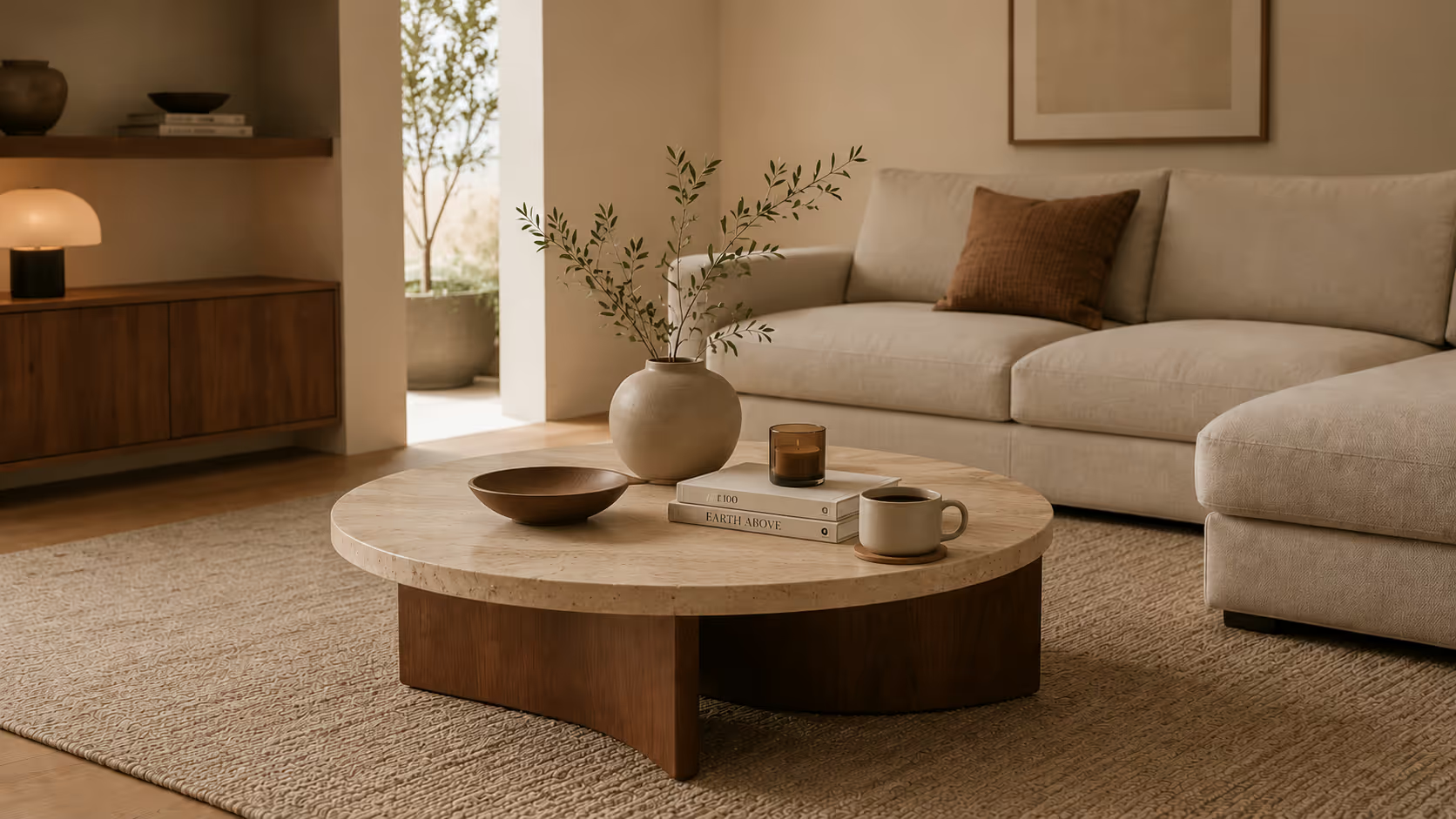
A round coffee table remains one of the most popular furniture choices for modern living rooms, and it’s easy to see why. Its curved shape creates a softer, more inviting look while improving movement throughout the room. Whether you’re furnishing a compact apartment, a family home, or an open-plan living area, a round coffee table can provide the perfect balance of functionality and style.
Unlike square or rectangular designs, a round coffee table helps eliminate sharp corners, making it a practical option for households with children or busy living spaces. It also encourages better traffic flow, allowing people to move comfortably around seating areas without feeling restricted.
However, choosing the right table involves more than simply selecting a design you like. Factors such as size, height, materials, and room layout all play a significant role in how well the piece performs in everyday life. Many homeowners make the mistake of purchasing furniture based solely on appearance, only to discover later that it doesn’t suit their space or lifestyle.
Taking the time to evaluate your needs before buying can help you avoid costly mistakes and ensure your furniture remains functional for years to come. In this guide, you’ll learn seven important things to check before purchasing a round coffee table, helping you make a confident and informed decision.
Why a Round Coffee Table Is a Popular Choice
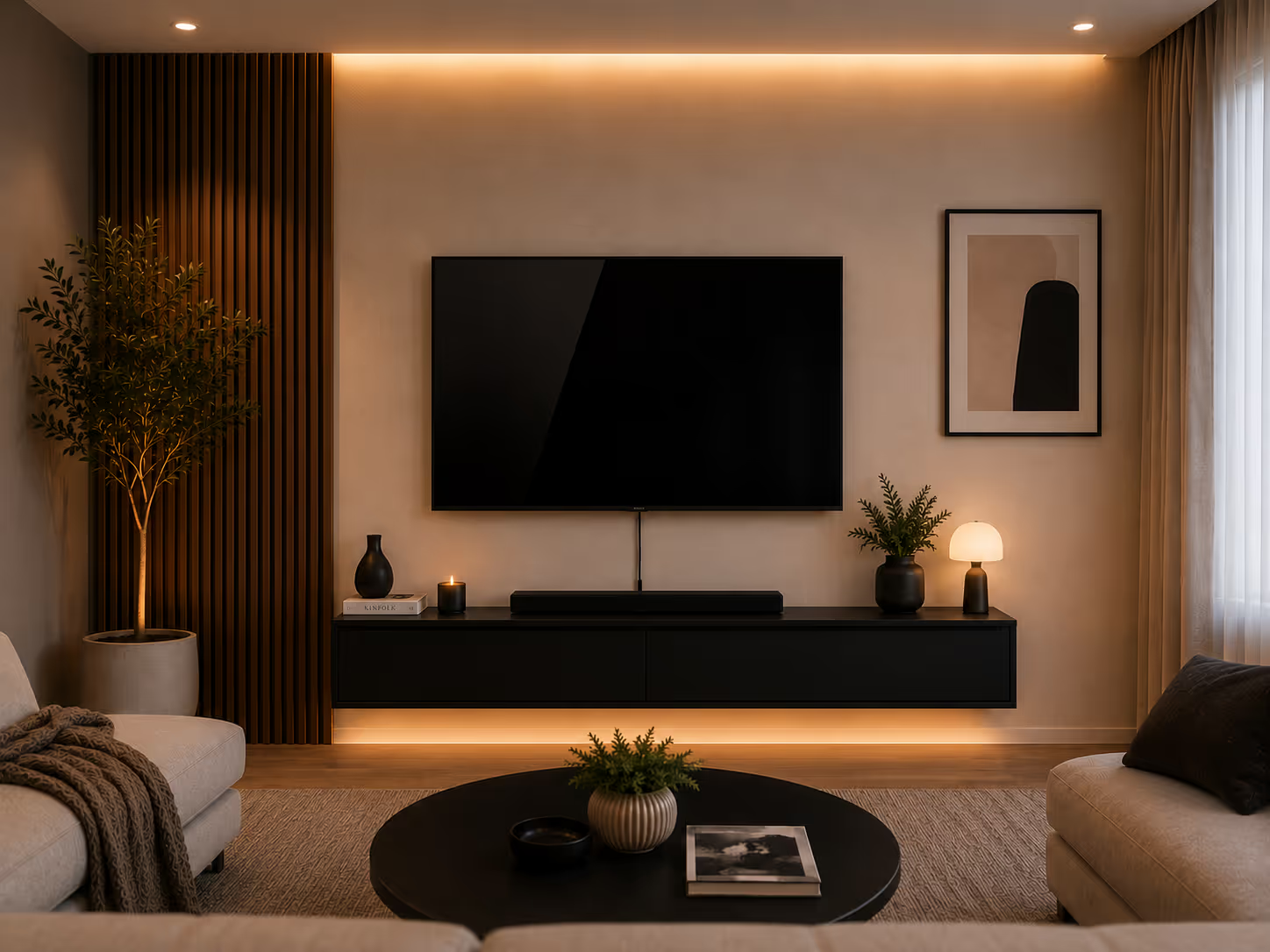
There are many reasons homeowners continue to choose a round coffee table over traditional square or rectangular alternatives. One of the biggest advantages is its ability to create visual balance within a living room. The curved design naturally softens a space filled with straight lines, helping the room feel more relaxed and welcoming.
A round coffee table also improves movement around furniture. Without sharp corners extending into walkways, it becomes easier to navigate around sofas and chairs, especially in smaller rooms where space is limited. This makes it a practical choice for families, entertaining areas, and compact living spaces.
Safety is another important benefit. Homes with children often appreciate the absence of hard corners, reducing the risk of bumps and injuries. At the same time, the shape works equally well in both small and large rooms, making it one of the most versatile furniture options available.
Another reason for its popularity is compatibility with different seating arrangements. Whether paired with a sectional sofa, a two-seater, or a collection of accent chairs, a round coffee table helps create a cohesive and balanced layout.
As interior design trends continue to favour softer shapes and more organic forms, it’s no surprise that round tables remain a staple feature in contemporary living rooms.

Check #1 – Choose the Right Size
Size is one of the most important factors to consider when purchasing a round coffee table. Even the most beautiful design can look out of place if it is too large or too small for the room.
Match the Table to Your Sofa
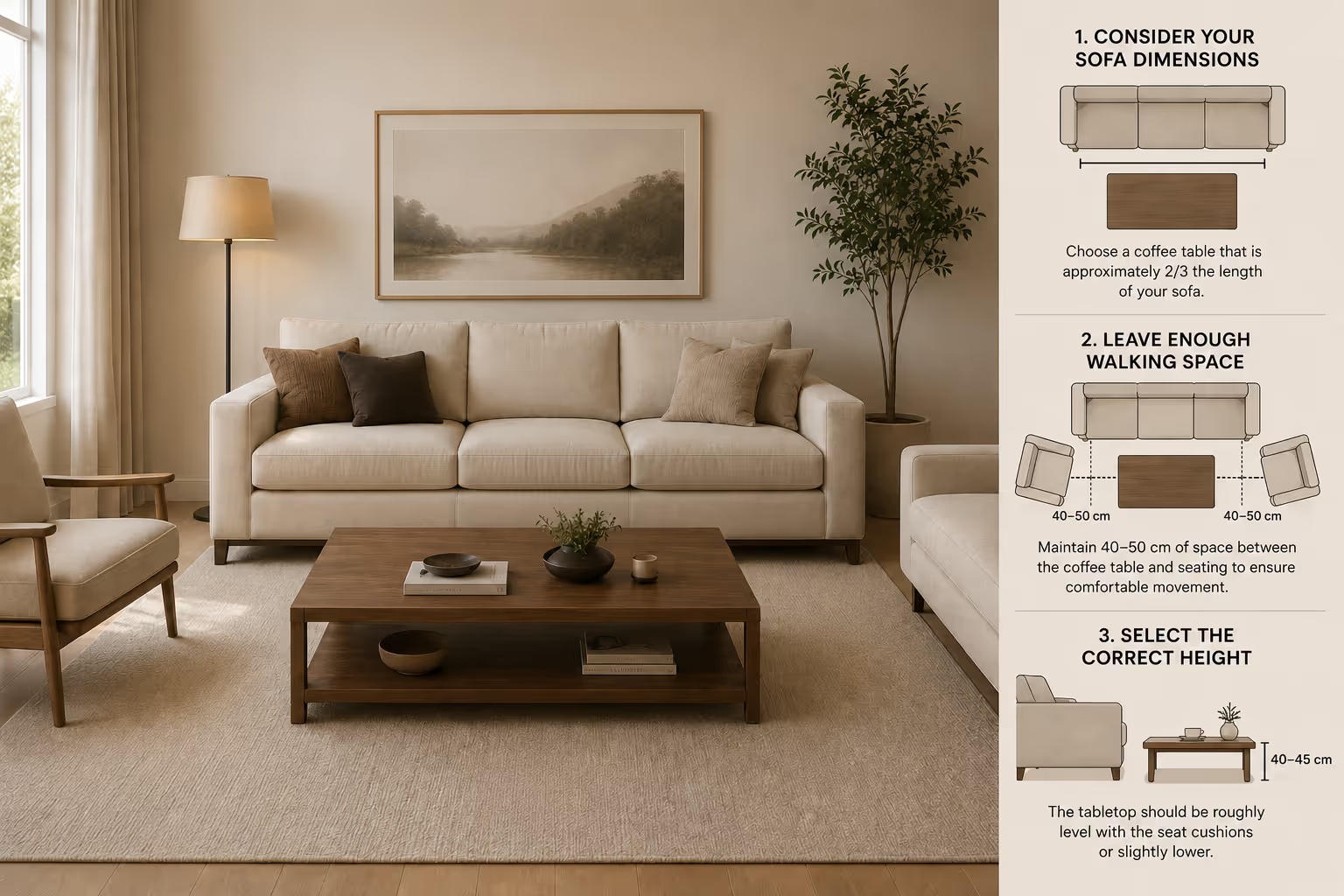
A round coffee table should complement the size of your seating rather than overpower it. As a general rule, the table should be approximately two-thirds the length of your sofa. This creates visual harmony while ensuring the furniture remains practical and accessible.
Choosing a table that is too large can make the room feel cramped and restrict movement. On the other hand, a table that is too small may look insignificant and fail to provide enough usable surface space.
Consider Table Diameter
The diameter of a round coffee table should be chosen according to the size of your living area.
For smaller rooms, a compact design helps maintain open floor space while still offering functionality. Medium-sized living rooms often accommodate standard-sized tables comfortably, while larger seating arrangements may require a wider table to maintain proper proportions.
Before purchasing, measure the available floor space and compare it with the manufacturer’s dimensions to avoid surprises.
Leave Enough Clearance
Adequate clearance around a round coffee table is essential for comfort and usability.
Most designers recommend leaving approximately 40–50 cm between the table and surrounding seating. This provides enough room for people to move around comfortably while keeping drinks, books, and other items within easy reach.
It’s also important to consider walkways and access points throughout the room. A well-positioned table should support traffic flow rather than obstruct it.
Check #2 – Select the Correct Height
While size often receives the most attention, height is equally important when choosing a round coffee table. The right height improves comfort, accessibility, and overall room balance.
Match Sofa Seat Height
A coffee table should generally sit at the same height as your sofa cushions or slightly lower. This allows users to comfortably reach drinks, snacks, books, and remote controls without unnecessary stretching.
When a table is too high, it can feel awkward and visually dominant. If it is too low, everyday use may become inconvenient.
Consider How You’ll Use It
Think about how the table will be used on a daily basis.
If it’s primarily a decorative feature, a lower profile design may work well. However, if you regularly entertain guests, enjoy casual meals while watching television, or frequently use laptops in the living room, a slightly higher surface may offer greater practicality.
Understanding your lifestyle can help you choose a table that balances aesthetics and functionality.
Balance Function and Design
Modern interiors often feature low-profile furniture that creates a sleek, minimalist appearance. While these designs can look impressive, they aren’t always the most practical option for every household.
Families may benefit from a more standard-height table that provides easier access and improved usability. The goal is to find a design that complements your room while supporting everyday activities.

Check #3 – Choose Durable Materials
The material of your round coffee table influences everything from appearance and maintenance requirements to long-term durability.
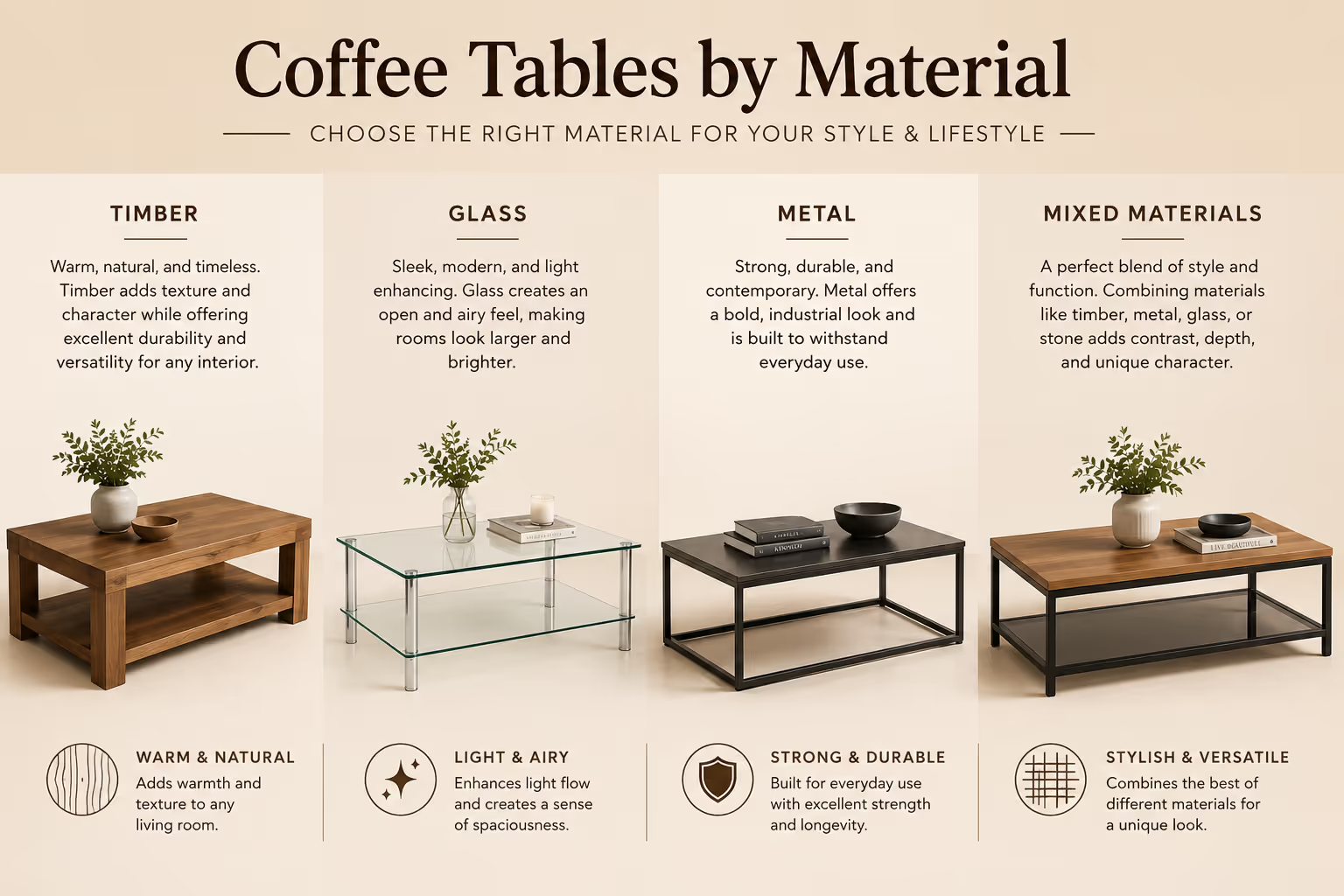
Timber Coffee Tables
Timber remains one of the most popular choices due to its warmth, durability, and timeless appeal.
A well-crafted timber table can last for many years while developing character over time. It works well in a variety of interior styles, including contemporary, Scandinavian, farmhouse, and traditional homes.
Timber also offers excellent durability, making it a practical option for busy family living rooms.
Glass Coffee Tables
Glass tables are often chosen for their sleek and modern appearance.
Because light passes through the surface, they help create a more open and spacious feeling, making them particularly useful in smaller rooms. They also pair well with a wide range of furniture styles and colour palettes.
Maintenance is generally straightforward, although fingerprints and smudges may require more frequent cleaning compared to other materials.
Metal and Mixed Materials
Metal frames combined with timber, stone, or glass surfaces have become increasingly popular in contemporary interiors.
These designs offer excellent structural strength while creating a sophisticated, modern appearance. Industrial-style living rooms often feature black metal accents, while mixed-material tables can add visual interest without overwhelming the space.
When selecting materials, consider your lifestyle, maintenance preferences, and the overall aesthetic of your living room to ensure your round coffee table remains both practical and attractive for years to come.
Check #4 – Consider Your Lifestyle
A round coffee table may look great in a showroom, but your lifestyle should ultimately determine which design is best for your home. Considering how the table will be used every day can help you choose a model that remains practical and attractive for years to come.
Homes with Children
Families with young children often benefit from the safety advantages of a round coffee table. The absence of sharp corners reduces the risk of bumps and injuries during playtime.
When shopping for family-friendly furniture, look for:
- Rounded edges for added safety
- Durable surfaces that resist scratches and dents
- Easy-clean finishes for spills and everyday messes
Timber, laminate, and certain composite materials can provide excellent durability while remaining easy to maintain.
Pet-Friendly Households
Pet owners should consider materials and finishes that can withstand daily wear and tear.
Important features include:
- Scratch-resistant surfaces
- Easy-to-clean finishes
- Stain-resistant materials
- Durable construction that withstands active pets
Choosing a sturdy round coffee table with a practical finish can help maintain its appearance even in busy households.
Frequent Entertainers
If you regularly host family gatherings, movie nights, or social events, functionality becomes especially important.
Consider:
- Larger tabletop surfaces
- Durable construction materials
- Easy access from all seating positions
- Designs that encourage conversation and interaction
A round coffee table naturally creates a more social environment because everyone can comfortably reach the centre without awkward stretching.
Check #5 – Decide Whether You Need Storage
Many homeowners focus on appearance while overlooking storage capabilities. However, the right round coffee table can help reduce clutter and improve organization throughout your living room.
Lower Shelves
A lower shelf provides additional storage without increasing the table’s footprint.
Ideal for storing:
- Books
- Magazines
- Decorative baskets
- Remote controls
- Everyday essentials
Open shelving keeps items accessible while maintaining a clean and organized appearance.
Hidden Storage Compartments
Some round coffee table designs include concealed storage compartments beneath lift-up tops or hidden panels.
These are particularly useful for:
- Reducing visible clutter
- Storing remotes and electronics
- Organizing children’s toys
- Keeping living areas tidy
Hidden storage can be especially valuable in smaller homes where every bit of space matters.
Nesting Coffee Tables
Nesting tables have become increasingly popular due to their flexibility.
Benefits include:
- Expandable surface space when needed
- Compact footprint when not in use
- Flexible furniture arrangements
- Ideal for entertaining guests
These designs provide versatility without permanently occupying additional floor space.
Check #6 – Make Sure It Fits Your Room Layout
Even the perfect round coffee table can feel awkward if it doesn’t work with the overall room arrangement.
Pairing with Sectional Sofas
Round tables pair exceptionally well with sectional and corner sofas.
Benefits include:
- Improved traffic flow
- Balanced visual proportions
- Easy access from multiple seating positions
- Softer contrast against angular furniture
Many designers consider a round coffee table one of the best options for sectional seating layouts.
Working with Smaller Living Rooms
Small living rooms often benefit from curved furniture because it improves movement around the room.
Advantages include:
- Fewer visual obstacles
- Better traffic flow
- A more open appearance
- Reduced risk of bumping into corners
This makes a round coffee table particularly suitable for apartments and compact living spaces.
Complementing Existing Furniture
Your table should work harmoniously with surrounding furniture.
Consider how it will interact with:
- Entertainment units
- Side tables
- Storage cabinets
- Shelving systems
- Accent chairs
A cohesive furniture arrangement creates a more balanced and visually appealing room.
Check #7 – Consider Long-Term Style and Flexibility
Furniture is a long-term investment, so it’s worth choosing a round coffee table that will continue to suit your home even as styles and needs evolve.
Timeless Designs
Classic designs tend to remain attractive for many years.
Look for:
- Neutral colours
- Natural timber finishes
- Simple silhouettes
- Quality craftsmanship
These choices are less likely to feel dated as trends change.
Adaptability
Living rooms often evolve over time.
Your round coffee table should be versatile enough to work with:
- New sofas
- Different décor styles
- Room redesigns
- Future furniture upgrades
Flexible furniture provides greater value over the long term.
Quality Over Trends
While trendy furniture can be appealing, quality should always be a priority.
Investing in durable construction often means:
- Longer lifespan
- Better daily performance
- Reduced replacement costs
- Greater overall value
A well-made round coffee table can remain a functional centrepiece for many years.
Complete Your Living Room with Smart Wall Storage
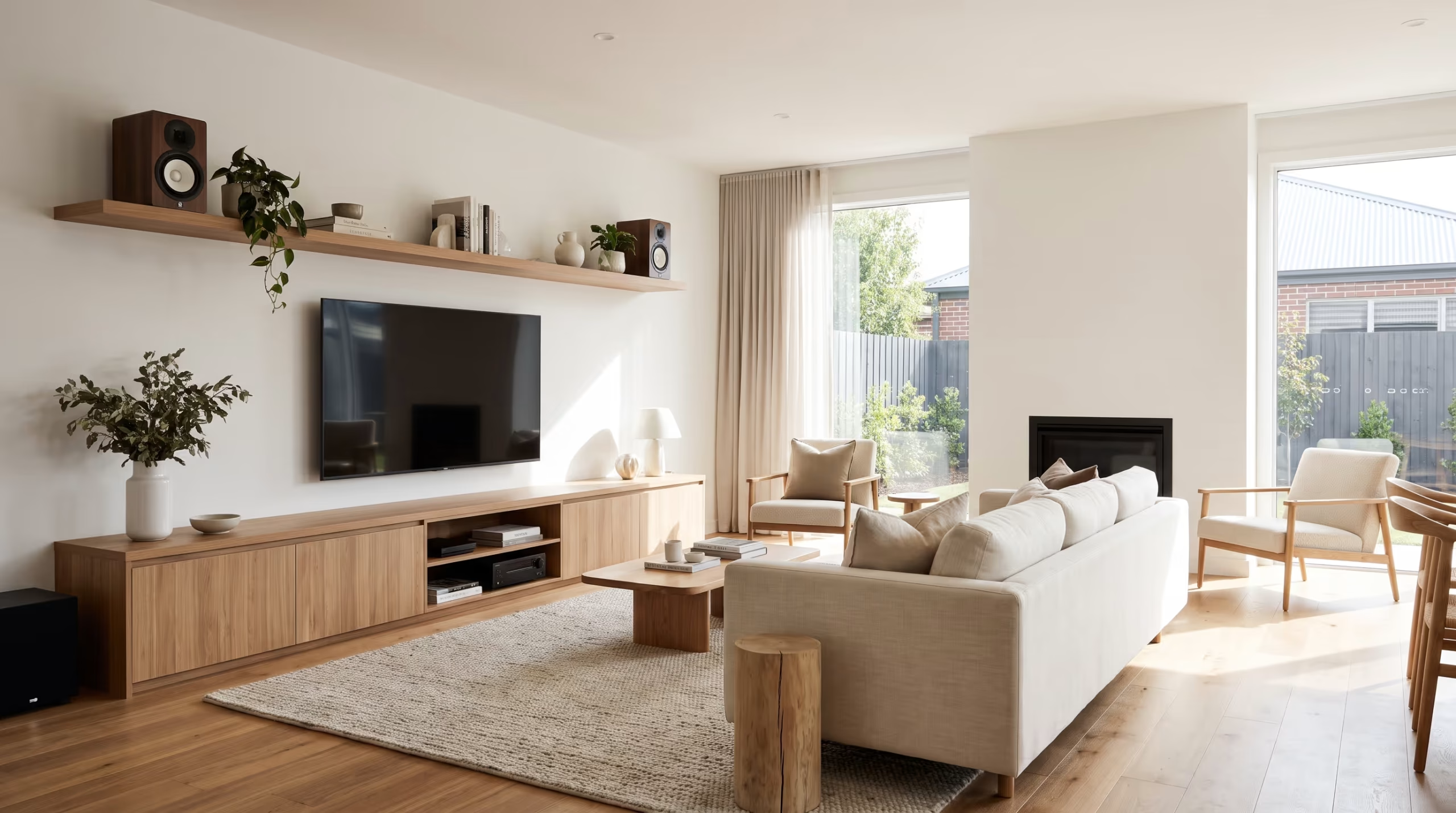
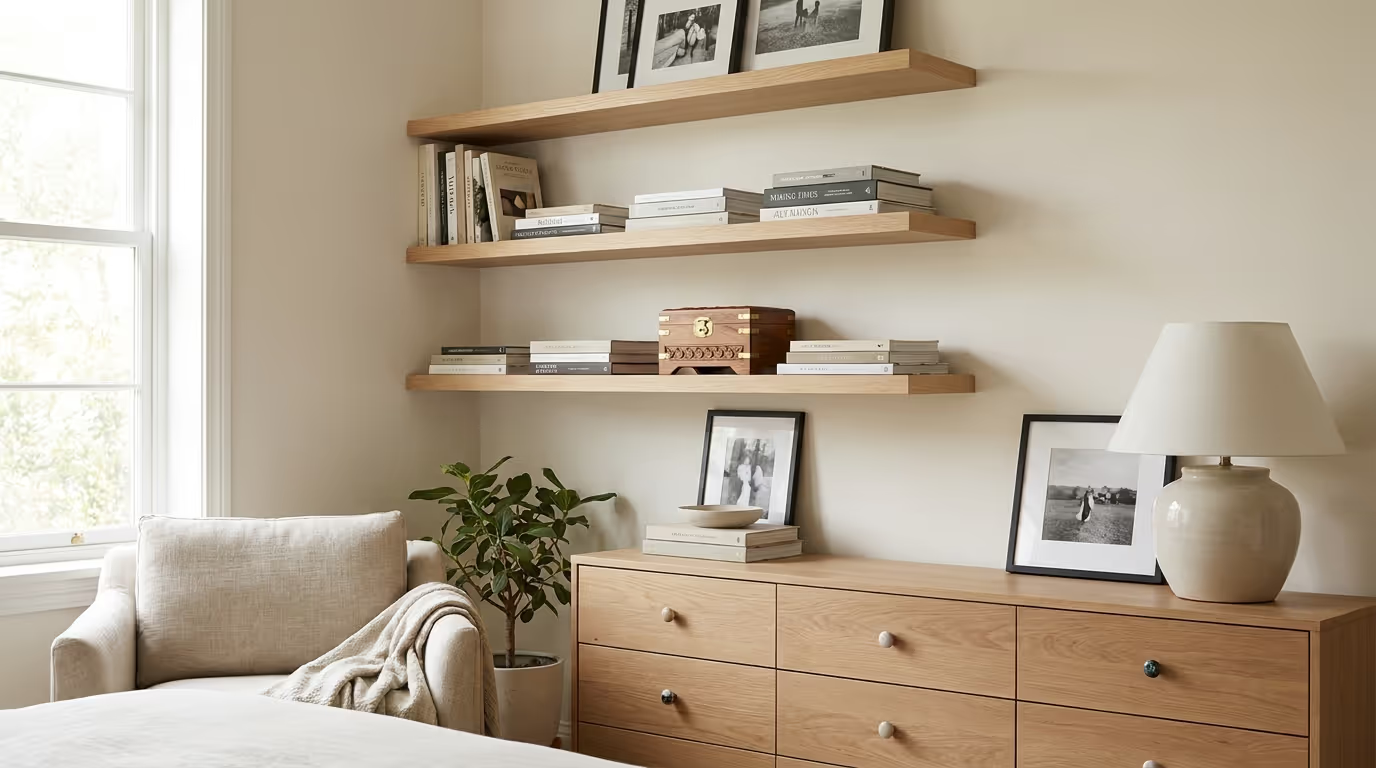
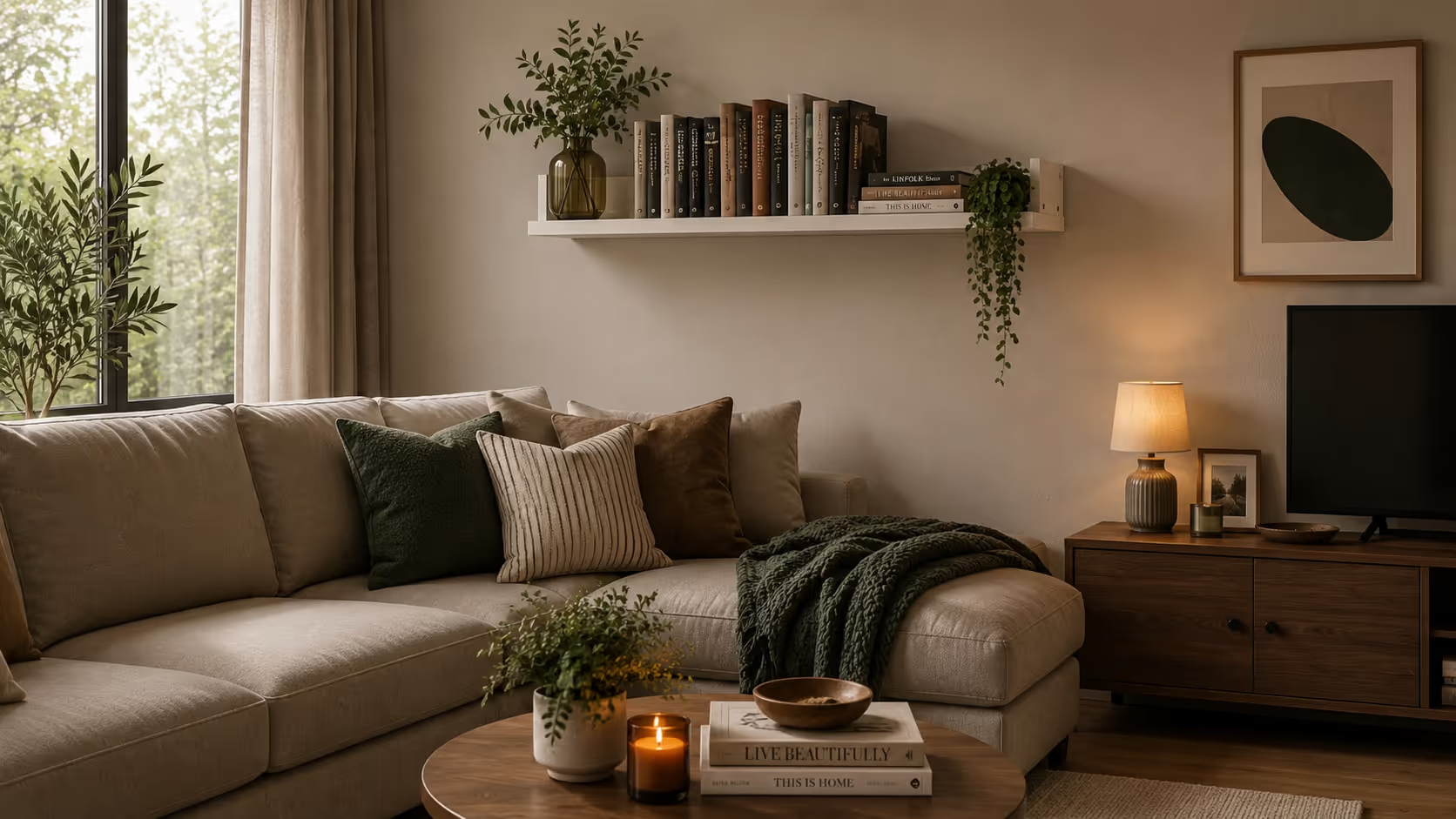
A round coffee table helps anchor a seating area, but effective storage is equally important for maintaining a clean and organized living room. One of the easiest ways to add storage without sacrificing floor space is by incorporating floating shelves into your design.
Floating shelves provide a practical place to display books, artwork, framed photographs, plants, and decorative accessories while keeping surfaces free from clutter. They also help draw the eye upward, making living rooms feel larger and more visually balanced.
Floating Bookshelves for Display and Storage
A well-positioned Floating Bookshelf can create an attractive feature wall while providing storage for books, décor, and personal items.
White Shelves for Bright Modern Interiors
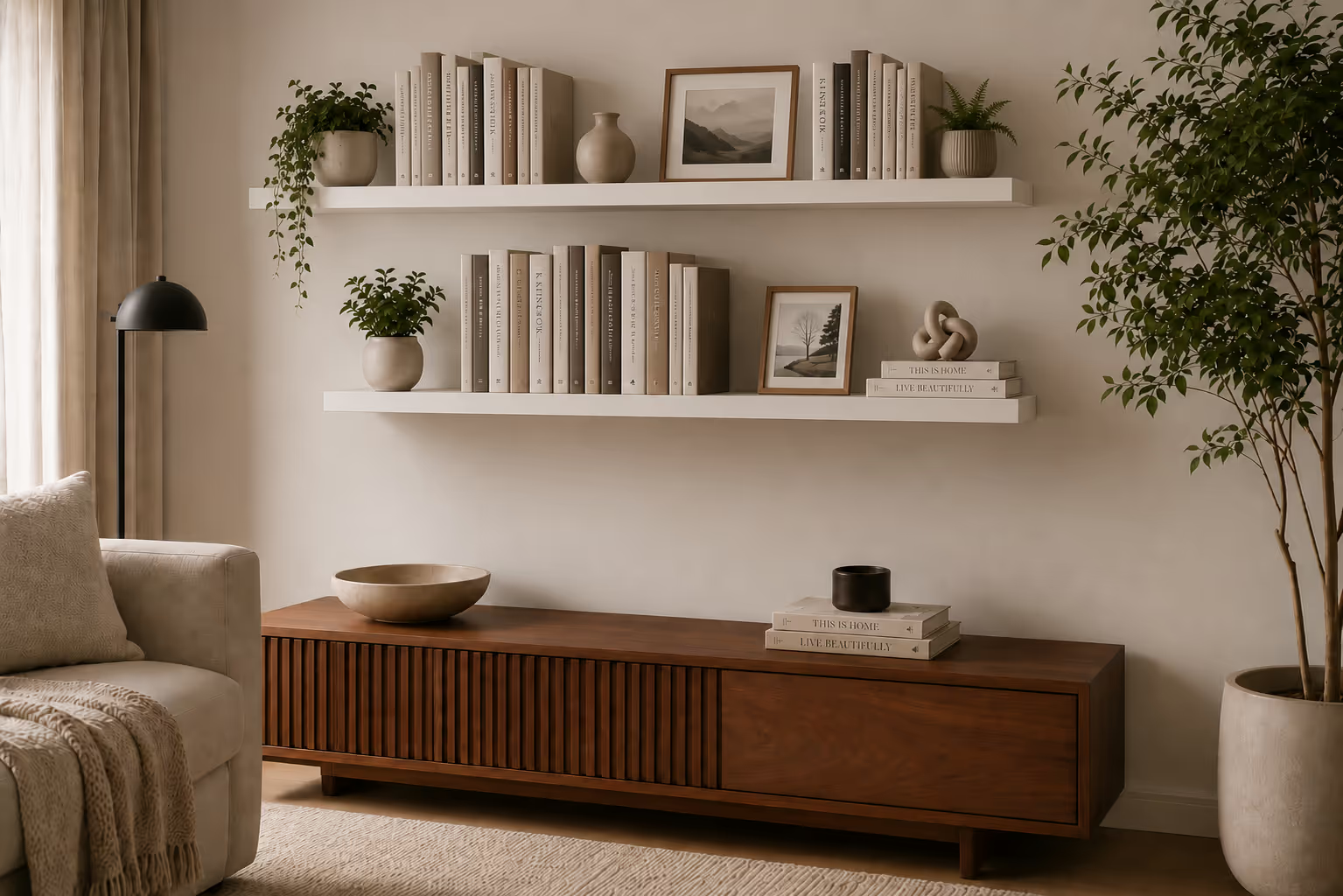
For homeowners seeking a clean and airy aesthetic, Floating White Shelf offers a versatile solution that blends seamlessly with contemporary interiors.
Common Mistakes People Make When Buying a Round Coffee Table
Even experienced homeowners can make costly furniture-buying mistakes. Understanding the most common issues can help you make a smarter investment.
Choosing the Wrong Size
One of the biggest mistakes is selecting a round coffee table that is either too large or too small.
A table that is too large can overwhelm the room and restrict movement, while a table that is too small may look out of proportion and offer limited functionality.
Solution: Measure your seating area carefully before purchasing.
Ignoring Table Height
Many buyers focus solely on style and overlook height.
An excessively tall table can feel awkward, while a very low design may be inconvenient for everyday use.
Solution: Match the table height closely to your sofa cushions.
Prioritizing Style Over Function
A beautiful table isn’t always practical.
For example, delicate materials may not suit family households, while some trendy designs offer limited usable surface space.
Solution: Consider how the furniture will be used daily before making a decision.
Forgetting About Storage Needs
Many homeowners underestimate the value of integrated storage.
Without adequate storage, living rooms can quickly become cluttered with remotes, magazines, and other everyday items.
Solution: Consider lower shelves, hidden compartments, or nesting designs.
Not Considering Room Layout
Furniture should support the overall flow of the room.
Poor placement can block pathways, reduce accessibility, and make a room feel crowded.
Solution: Plan your layout before purchasing and leave adequate clearance around the table.
Conclusion
Choosing the right round coffee table involves much more than selecting a design that looks attractive. The best results come from balancing style, functionality, and long-term practicality.
Before buying, consider:
- Choosing the correct size and height
- Selecting durable materials
- Matching the table to your lifestyle
- Evaluating storage requirements
- Planning around your room layout
- Prioritizing quality over short-term trends
A round coffee table is more than just a decorative piece. When chosen carefully, it can improve comfort, functionality, and visual balance throughout your living room. Taking the time to evaluate these seven factors will help you invest in a table that complements your space and serves your household for years to come.
Frequently Asked Questions
What size round coffee table should I buy?
A good guideline is to choose a table with a diameter that is proportional to your seating area and approximately two-thirds the length of your sofa.
How much space should I leave around a round coffee table?
Most designers recommend leaving about 40–50 cm between the table and surrounding seating to allow comfortable movement and easy access.
Are round coffee tables better for small living rooms?
Yes. Their curved shape improves traffic flow, reduces visual bulk, and helps smaller rooms feel more open and spacious.
What material is best for a round coffee table?
It depends on your needs. Timber offers warmth and durability, glass creates a lighter appearance, and metal provides strength and a modern aesthetic.
Should a coffee table be lower than the sofa?
Ideally, a coffee table should be the same height as the sofa seat or slightly lower for maximum comfort and convenience.
Are round coffee tables safer for homes with children?
Yes. Because they have no sharp corners, round coffee tables are generally considered safer for households with young children.
Do round coffee tables make a room look bigger?
They can. Their curved edges improve movement and reduce visual clutter, which often helps rooms feel more spacious.
Can a round coffee table have storage?
Absolutely. Many designs include lower shelves, hidden compartments, drawers, or nesting features that provide additional storage.
Can floating shelves complement a round coffee table?
Yes. Floating shelves add storage and display space without taking up floor area, making them an excellent companion to a round coffee table in both small and large living rooms.
What furniture pairs well with a round coffee table?
Round coffee tables work particularly well with sectional sofas, corner sofas, armchairs, entertainment units, floating shelves, and modern storage furniture.