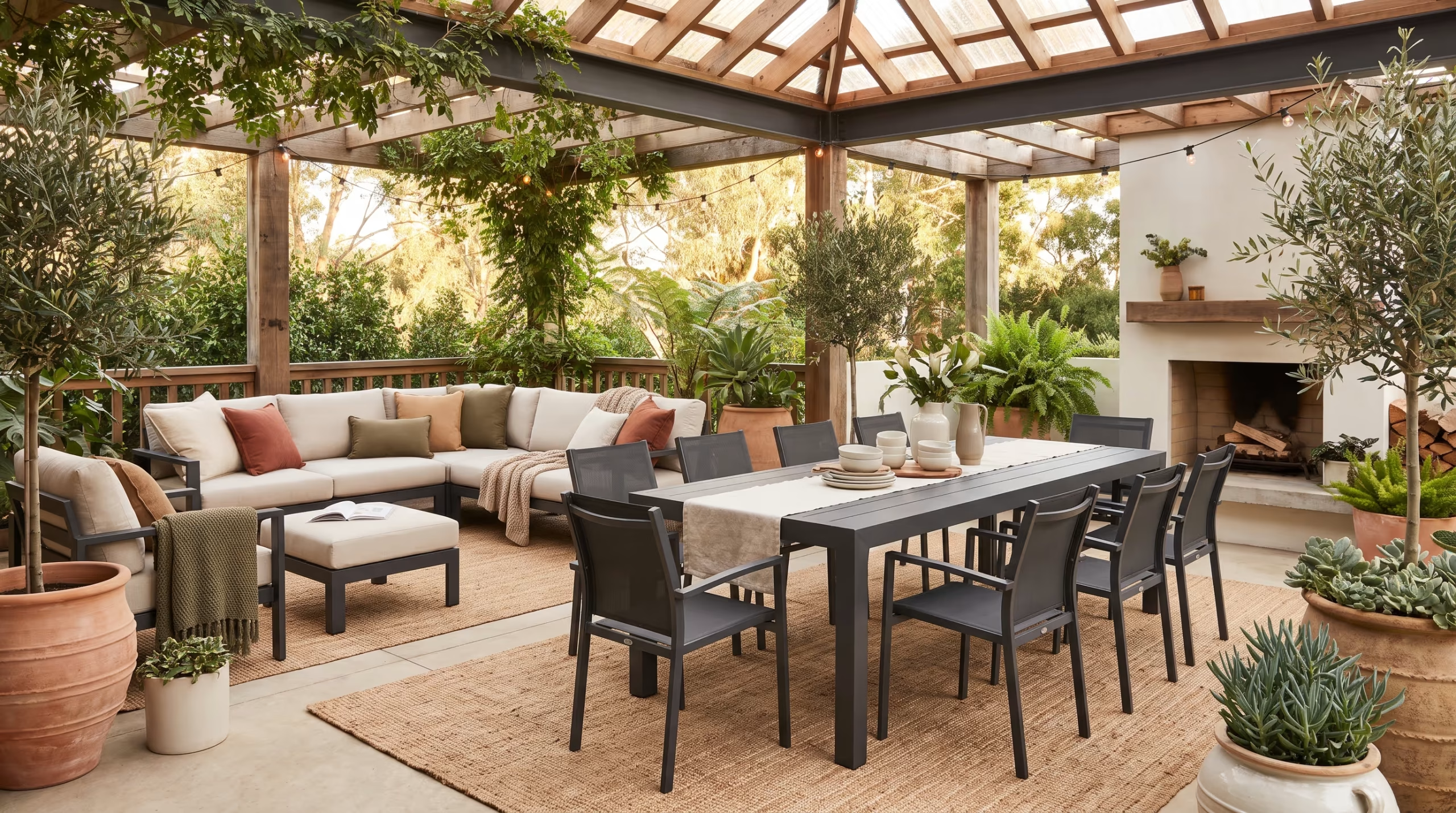
Most gardens are used reactively. Sun comes out, you go outside. The sun disappears, you go back in. The garden stays empty for the rest of the time, despite being, in many homes, the largest single space you own.
The gardens that actually get used are the ones treated like rooms. Zones, furniture worth sitting on, somewhere to eat, something overhead when it rains. Here’s how to get there.
1. Define your zones the way you would indoors
A living room has a sofa area. A dining room has a table. The reason most gardens feel unsettled is that everything just sits in the middle without any sense of purpose.
Decide what you want the gardens to do relaxing, dining, cooking, planting and arrange it accordingly. A garden sofa set in one corner, a dining table and chairs in another. Once each zone has its furniture, the gardens starts to feel deliberate rather than accidental.

2. Invest in seating you actually want to sit on
Garden furniture covers a wide spectrum. At one end: plastic chairs that stack against a wall and come out twice a year. At the other: a proper outdoor sofa with cushions you’d be happy to spend an evening on.
The difference in how much you use the gardens is significant. Comfortable seating is an invitation to stay outside longer. If you find yourself coming back indoors after 20 minutes, the seating is usually why.
Gardens sofa sets in aluminium, rattan and wood all have their trade-offs on comfort, maintenance and longevity. Aluminium is the most practical for the UK climate: lightweight, rust-proof and easy to move. Rattan looks the warmest but needs more care if left out year-round.

3. Set up somewhere to actually eat
Eating outside changes the way a meal feels. It’s one of the simplest upgrades to summer life and one of the most underused.
A proper garden dining set with enough seats for your household (plus a couple) means the garden can replace the dining room on warm evenings rather than just supplement it. If space is tight, a bistro table for two does the job for daily use and takes up almost no room.
The thing most people underestimate: get a table with a parasol hole. Eating in direct sun at 1pm in July is not the pleasure it sounds. Shade makes outdoor dining workable rather than something you endure.
4. Add softness underfoot and overhead
The single biggest difference between a gardens that feels like a room and one that doesn’t is softness. Hard paving in every direction makes a space feel functional, not comfortable.
An outdoor rug under the seating area adds warmth and defines the zone. Heavy-duty outdoor rugs are weatherproof and easier to maintain than indoor ones. Cushions on gardens chairs and sofas do the same job — they signal that this is a place to relax, not just pass through.
Overhead makes as much difference as underfoot. A pergola, shade sail or large parasol creates a sense of ceiling that turns open space into room space. It also means the gardens is usable for more of the day during summer.
5. Sort the lighting for evenings
Most gardens are unusable after dark because nobody thought about lighting. That cuts out a significant portion of summer evenings, particularly in July when the warmest part of the day is often late afternoon.
Solar-powered path lights or stake lights along borders are the easiest starting point. String lights across a pergola or fence change the atmosphere completely — the garden at 9pm with warm string lights feels entirely different to the same space under harsh patio uplighters.
Candles and outdoor lanterns on the table add the same warmth as table lamps do indoors. The goal is to recreate the layered lighting of a well-considered interior, just outside.
6. Create privacy so it actually feels like yours
An overlooked garden rarely feels relaxing. If you’re conscious of neighbours or passers-by, you’ll either avoid the garden or spend your time in it feeling slightly on display.
Tall planters with grasses or bamboo, trellis panels with climbing plants, or a simple outdoor screen create enclosure without the permanence of a fence. You don’t need to block the whole garden — screening the seating area is usually enough to make it feel like a private room rather than a shared space.
7. Keep it weatherproofed so you use it
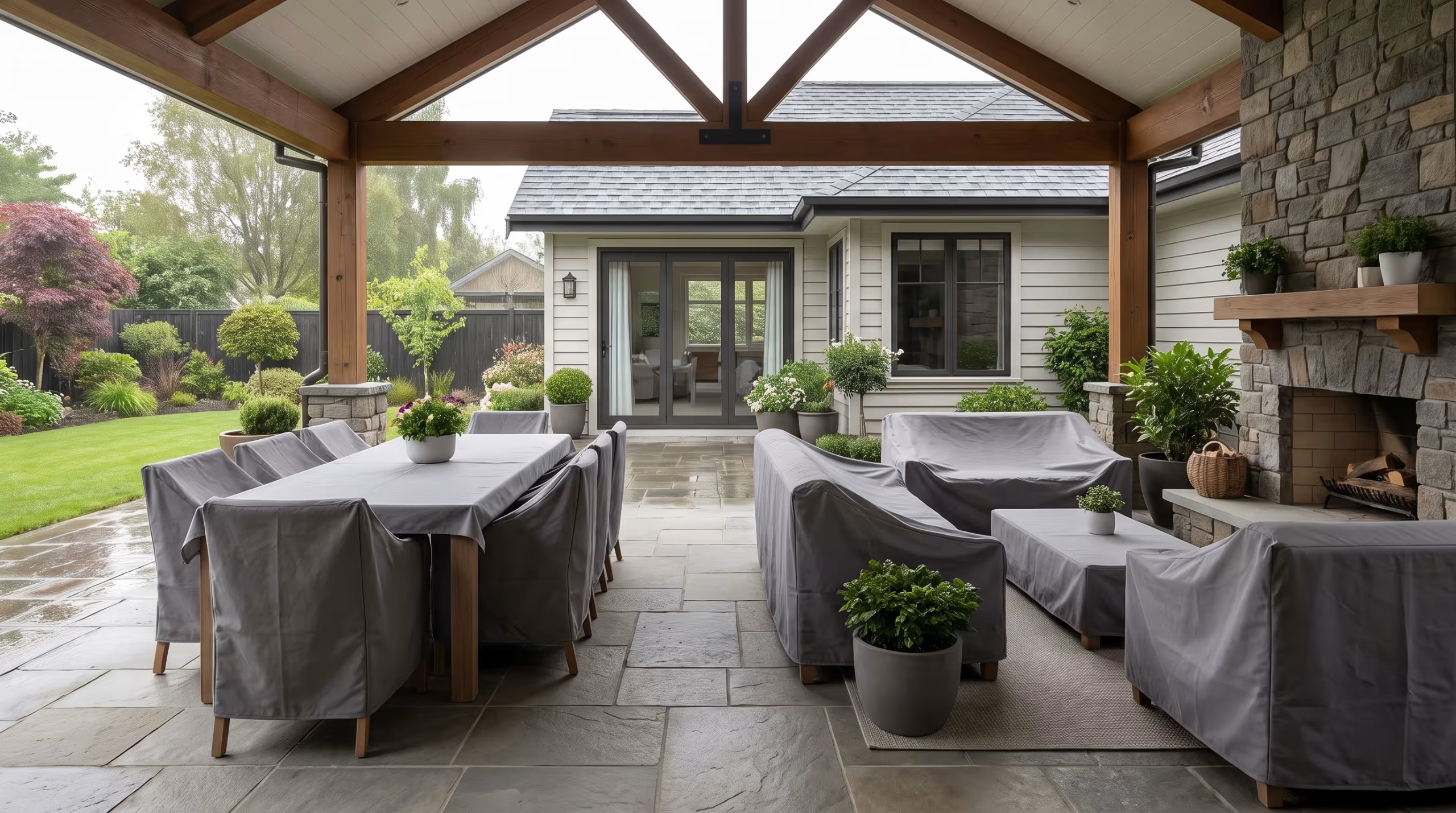
The reason most garden furniture ends up in a shed half the year is that putting it away and getting it out again is a barrier. Furniture with quality covers, or materials that can genuinely be left outside, removes that barrier.
Teak and powder-coated aluminium handle UK weather well without constant attention. If you’re buying cushions, check they’re rated for outdoor use rather than moving them in and out every evening. The less effort the garden requires to maintain, the more you’ll actually use it.
What’s the best low-maintenance garden furniture? Powder-coated aluminium is the practical answer. It doesn’t rust, doesn’t need treating and is light enough to reposition easily. Browse Swyft’s range of metal garden furniture if low maintenance is the priority.

8. Treat it like a room when you’re buying for it
This sounds obvious but most people don’t do it. When buying for an indoor room, you think about scale, proportion, whether things go together. Garden furniture often gets bought piecemeal over several years with no coherent plan.
Pick a material palette and stick to it. Choose furniture that’s the right scale for the space. Think about the garden as a whole rather than individual pieces. A considered set of garden furniture that works together will always feel better than a collection of things that don’t quite match.
Frequently Asked Questions
How can I make a small garden feel bigger and more functional?
The best approach is to create distinct zones for different activities. Even in a compact garden, separating a seating area from a dining space helps the area feel organised and purposeful. Using multi-functional furniture and keeping the layout uncluttered can also make the space feel larger.
What is the best type of garden furniture for the UK climate?
Powder-coated aluminium is one of the most practical options for UK gardens. It is rust-resistant, lightweight, easy to maintain, and can withstand changing weather conditions throughout the year. Teak is another durable choice, although it requires occasional maintenance to preserve its appearance.
How do I make my garden usable in the evening?
Outdoor lighting is essential for extending the use of your garden after sunset. String lights, solar-powered pathway lights, lanterns, and outdoor table lighting can create a warm atmosphere and make the space feel as inviting as an indoor room.
What is the easiest way to add privacy to a garden?
Tall planters, trellis panels, outdoor screens, and climbing plants are effective ways to create privacy without major landscaping work. Focusing on screening key areas, such as your seating zone, often provides enough privacy to make the space feel more comfortable.
How can I add more storage and style to my garden?
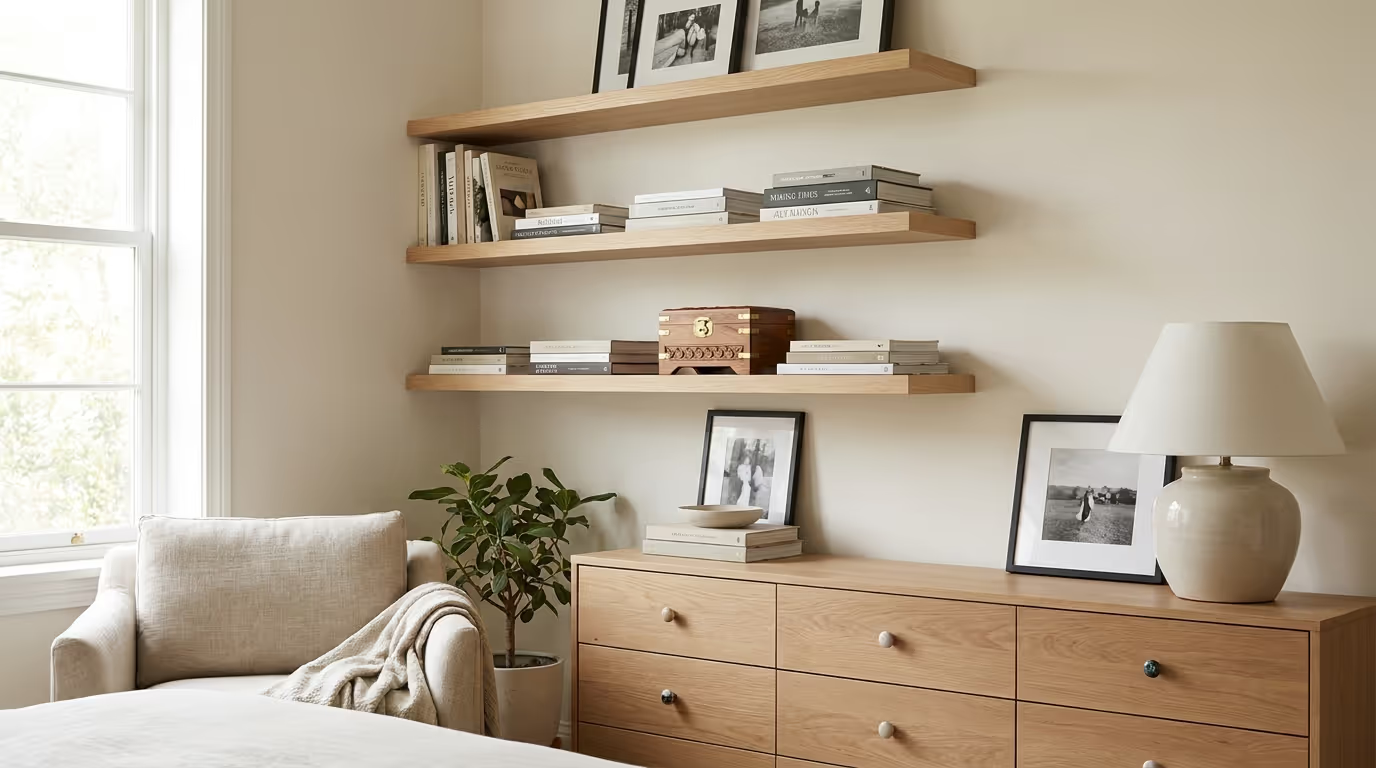
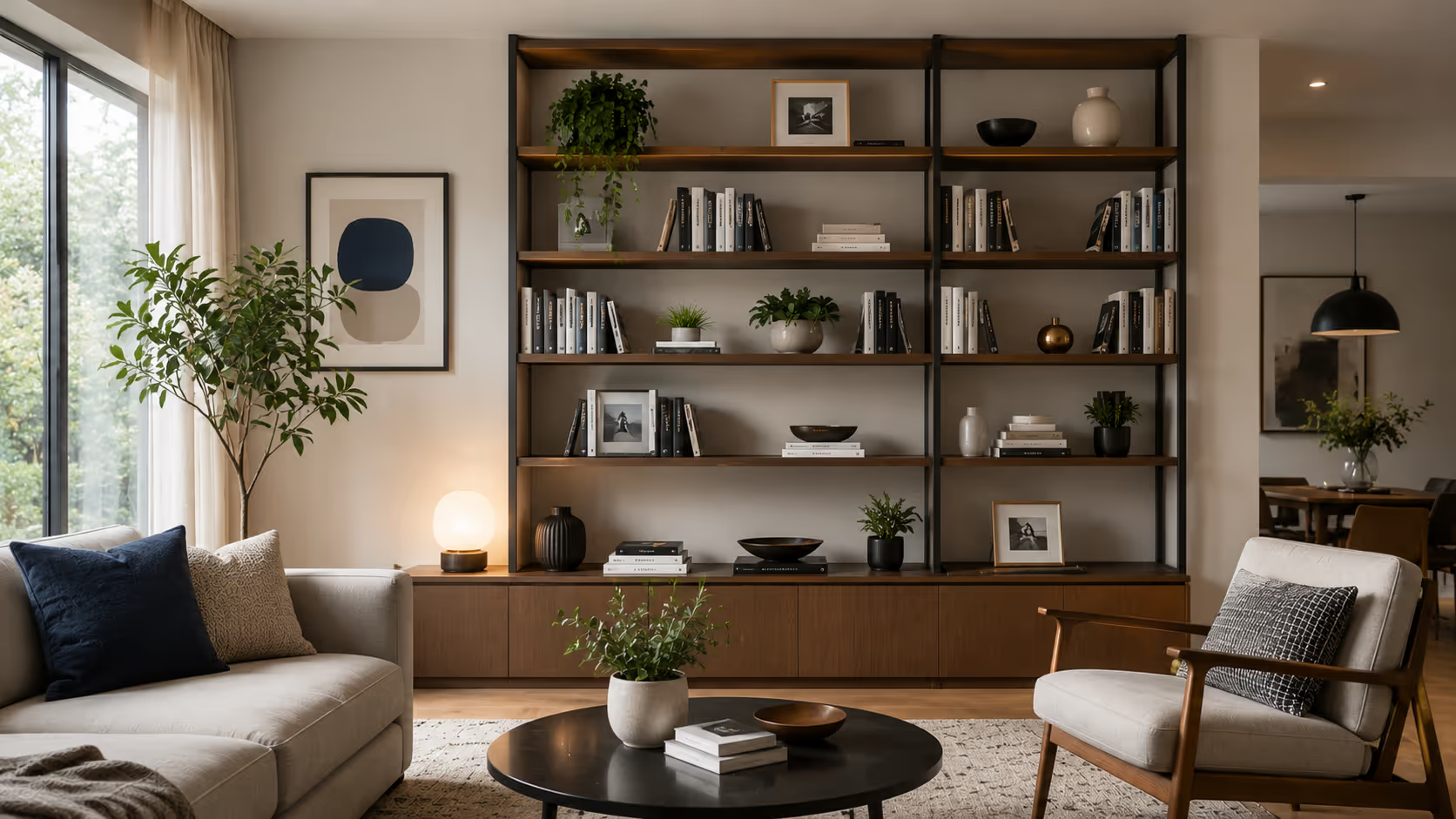
Decorative storage solutions help keep outdoor spaces organised while adding personality. Weather-resistant floating shelves are a great option for displaying potted plants, lanterns, garden accessories, and outdoor décor. They can help maximise vertical space and create a more polished, room-like feel without taking up valuable floor space.