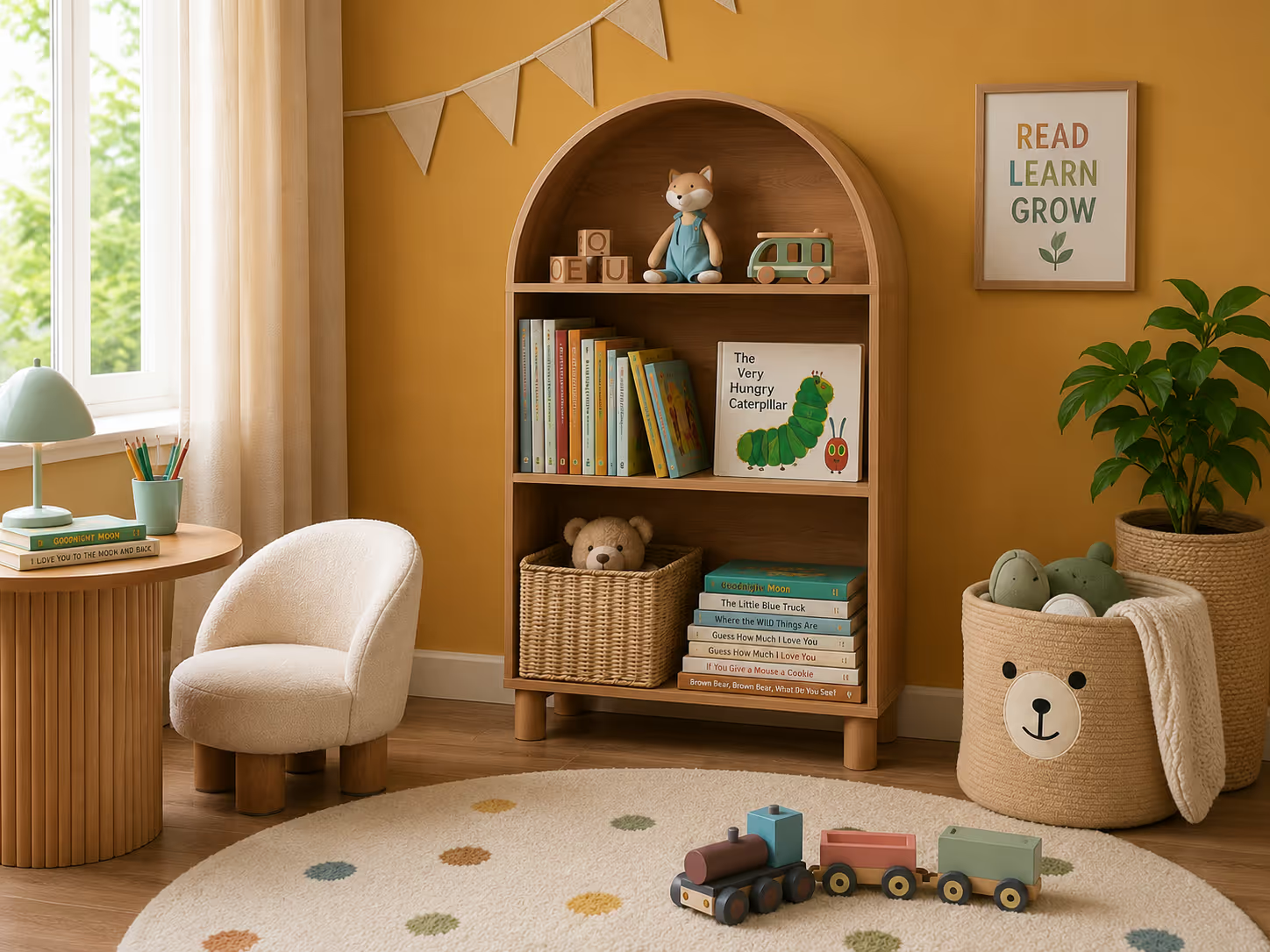
Creating a space where children can learn, play, and grow often starts with the furniture you choose. In recent years, Montessori-inspired furniture has become increasingly popular among parents who want to encourage independence, organization, and a love of learning from an early age. One of the most important pieces in a child’s room is a well-designed bookshelf that allows books and educational materials to remain easily accessible.
Unlike traditional shelving that may be too tall or difficult for young children to use, Montessori-inspired storage focuses on accessibility. Books are displayed at a child’s eye level, making it easier for them to choose, return, and enjoy reading materials on their own. This simple approach can help develop confidence, responsibility, and positive daily habits.
An organized reading area can also make bedrooms and playrooms feel calmer and less cluttered. When books have a dedicated place, children are more likely to keep their spaces tidy and develop organizational skills that benefit them as they grow.
Whether you’re creating a reading corner, redesigning a playroom, or furnishing a child’s bedroom, choosing the right shelving solution can have a lasting impact on both functionality and learning. In this guide, we’ll explore Montessori-inspired storage principles, the benefits of child-friendly shelving, and practical ideas for creating an organized and inviting space for your child.
What Is Montessori-Inspired Storage?
Montessori-inspired storage is based on the educational philosophy developed by Dr. Maria Montessori, which encourages children to learn independently through exploration and hands-on experiences. In home design, this approach focuses on creating environments that are scaled to a child’s size and abilities.
One of the key principles of Montessori design is accessibility. Children should be able to reach and use their belongings without constant assistance from adults. This includes books, toys, learning materials, and everyday items.
Low shelving units and open storage systems are commonly used because they allow children to see and access their belongings easily. Rather than storing items behind doors or in hard-to-reach locations, Montessori-inspired furniture encourages visibility and independence.
This design philosophy also helps create calm and organized spaces. By limiting clutter and ensuring every item has a designated place, children can focus more effectively on learning, reading, and creative activities.
Age-appropriate storage solutions are another important aspect of Montessori design. Furniture should support a child’s current developmental stage while remaining functional as they grow. This makes thoughtful storage choices an important investment for families looking to create practical and engaging environments.
Why a Kids Bookcase Is Important for Child Development
A thoughtfully designed bookshelf provides much more than a place to store books. It can support learning, independence, organization, and confidence while helping children build positive habits that last well beyond childhood.
Encourages Independent Reading
Children are naturally curious, but they are far more likely to engage with books when they can easily see and access them. A low bookshelf allows young readers to browse titles independently and choose books based on their interests.
Displaying books with their covers facing outward can be particularly effective because children often respond more strongly to visual cues than to book spines. Easy access encourages regular reading and helps establish lifelong literacy habits.
The more opportunities children have to interact with books independently, the more likely they are to develop a genuine love of reading.
Teaches Organization Skills
A dedicated storage space for books helps children understand the importance of organization. When books have a designated home, children learn to return them after use and maintain a tidy environment.
Simple routines such as putting books back on the shelf after reading can help develop responsibility and self-discipline. These small habits often translate into broader organizational skills that benefit children throughout their lives.
Creating systems that are easy for children to understand and maintain makes it easier for them to participate in keeping their room organized.
Creates a Child-Friendly Environment
Children thrive in environments designed around their needs and abilities. Furniture that is proportioned for their height and reach helps them interact confidently with their surroundings.
Accessible shelving empowers children to make choices independently, whether selecting a bedtime story or finding a favourite picture book. This sense of autonomy supports confidence and encourages active participation in daily activities.
By making learning materials readily available, parents can create an environment that promotes exploration and curiosity.
Reduces Clutter
Books, educational materials, and story collections can quickly accumulate over time. Without a proper storage solution, children’s bedrooms and playrooms can become crowded and disorganized.
A well-organized bookshelf provides a designated place for reading materials, helping reduce visual clutter and maintain a cleaner environment. Organized spaces often feel calmer and more inviting, making them better suited for learning, reading, and play.
By keeping books neatly arranged and easy to access, parents can create a more functional room while helping children develop positive organizational habits.
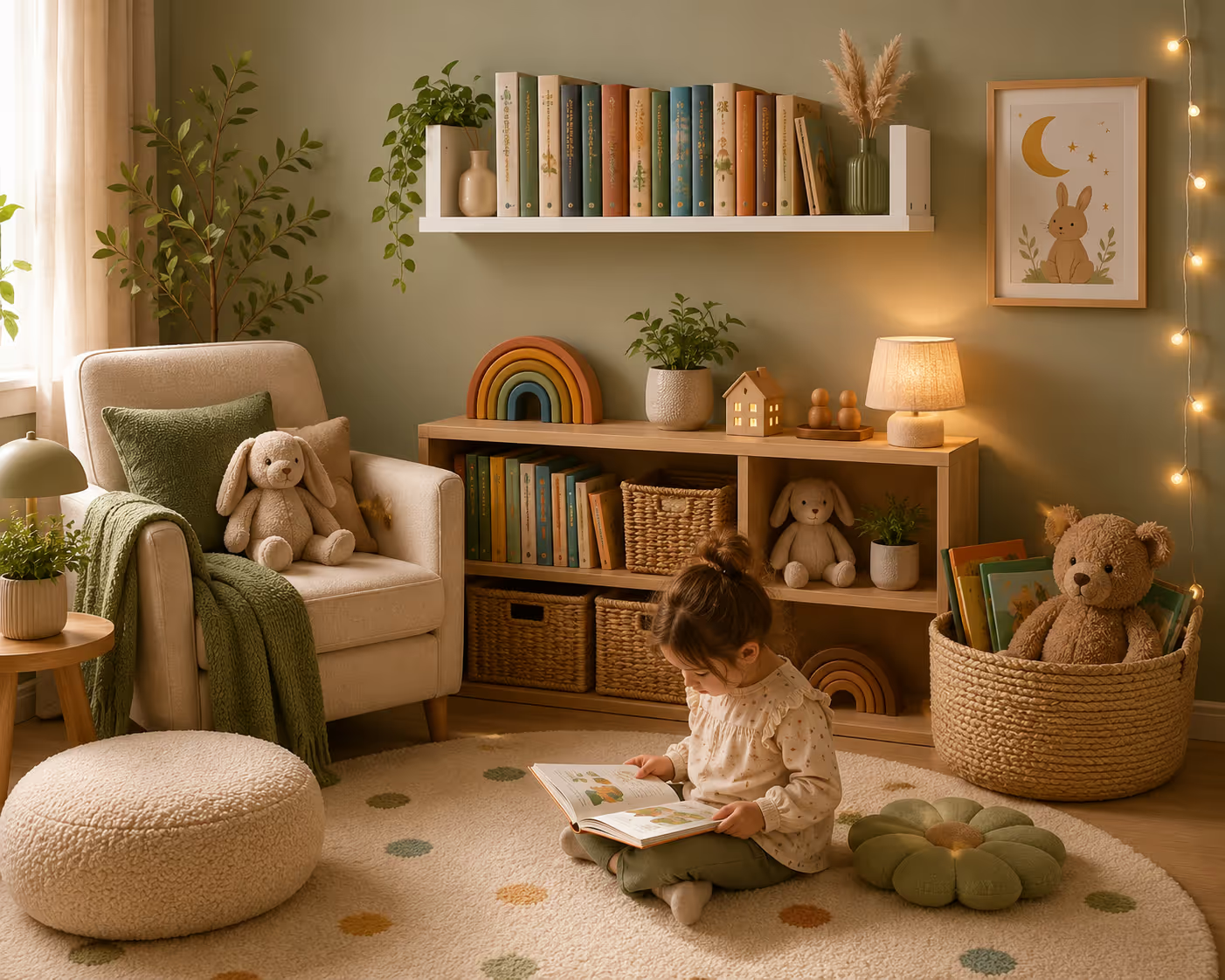
Choosing the Right Kids Bookcase NZ Families Will Love
Selecting the right bookshelf for your child involves more than simply finding a design that looks attractive. The best option should support your child’s current needs, encourage independence, and provide enough flexibility to remain useful as they grow. By considering factors such as age, safety, storage capacity, and material quality, parents can make a more informed decision.
Consider Your Child’s Age
Children’s storage needs change significantly as they move through different stages of development, so it’s important to choose a solution that suits their age and abilities.
Toddlers
For toddlers, accessibility is the top priority. Low shelving allows young children to safely reach books without assistance, encouraging exploration and independent reading. Front-facing displays are particularly beneficial at this age because they make book covers easy to see and recognize.
Preschool-Aged Children
As children grow, their book collections often expand. Preschoolers benefit from shelving that offers a combination of book storage and space for educational toys, puzzles, and creative activities. Easy-to-reach shelves continue to support independence while helping children learn organizational habits.
School-Aged Children
Older children typically require more storage capacity to accommodate chapter books, school materials, and personal collections. Adjustable or expandable shelving can provide additional flexibility as their needs evolve.
Adjusting Storage as Children Grow
Choosing furniture with long-term usability can help avoid frequent replacements. Shelving systems that can be reorganized, expanded, or repurposed often provide better value and continue to meet changing requirements over time.
Prioritize Safety
Safety should always be a primary consideration when selecting furniture for a child’s room.
Rounded Edges
Rounded corners and smooth finishes help reduce the risk of bumps and injuries during everyday use, especially for younger children who are still developing coordination.
Stable Construction
A sturdy bookshelf is essential for maintaining safety and durability. Shelves should remain stable when loaded with books and withstand daily use without wobbling or shifting.
Secure Wall Mounting
Taller storage units should be anchored securely to the wall to prevent tipping. This simple precaution significantly improves safety, particularly in homes with active young children.
Child-Safe Materials
Look for furniture made from non-toxic materials and finishes. High-quality construction and child-safe coatings help create a healthier environment while ensuring long-lasting performance.
Think About Storage Capacity
Every family has different storage requirements, so it’s important to choose a design that offers adequate space for both current and future needs.
Number of Books
Consider how many books your child currently owns and whether the collection is likely to grow. Providing sufficient space helps maintain organization and prevents shelves from becoming overcrowded.
Additional Toy Storage
Many parents prefer furniture that accommodates more than just books. Storage compartments for toys, puzzles, games, and educational materials can help keep the room tidy and functional.
Multi-Purpose Furniture Options
Multi-functional shelving can maximize available space, particularly in smaller bedrooms and playrooms. Combining book storage with display areas or toy organization creates a more versatile solution.
Choose Durable Materials
Children’s furniture experiences daily wear and tear, making material quality an important consideration.
Timber Construction
Timber remains one of the most popular choices because of its strength, durability, and timeless appearance. Quality timber shelving can withstand years of use while complementing a wide variety of interior styles.
Long-Term Durability
Well-constructed furniture often lasts through multiple stages of childhood and may even be repurposed for other areas of the home as needs change.
Easy Maintenance
Smooth, durable surfaces are easier to clean and maintain, helping busy parents keep bedrooms and play areas looking their best with minimal effort.
Montessori Bookcase Styles to Consider
Montessori-inspired furniture comes in several different styles, each offering unique benefits. The ideal choice depends on your child’s age, room size, and storage requirements.
Front-Facing Book Displays
Front-facing displays showcase book covers rather than spines, making titles more visually appealing and easier for young children to identify.
Books Displayed with Covers Visible
Children are naturally drawn to colorful illustrations and familiar images. Displaying covers outward helps spark interest and encourages independent exploration.
Encourages Reading Interest
When books are clearly visible, children are more likely to browse, select, and engage with reading materials on their own.
Easy Book Selection
Front-facing designs simplify the process of choosing and returning books, supporting independence and organization.
Low Open Shelving
Open shelving is one of the most recognizable features of Montessori-inspired storage.
Child-Height Accessibility
Books remain within easy reach, allowing children to make choices independently without relying on adults.
Simple Organization
Open shelves encourage children to keep items organized because everything is visible and easy to access.
Flexible Storage Options
These shelves can store books, educational materials, toys, and decorative items, making them highly versatile.
Cube Storage Units
Cube shelving provides structured compartments that can accommodate a variety of items.
Combining Books and Toys
Separate sections help organize different categories of belongings while keeping everything easily accessible.
Organized Compartments
Individual cubes create a tidy appearance and help children learn categorization and organization skills.
Adaptable Layouts
Storage baskets, bins, and decorative containers can be added to customize the setup as needs change.
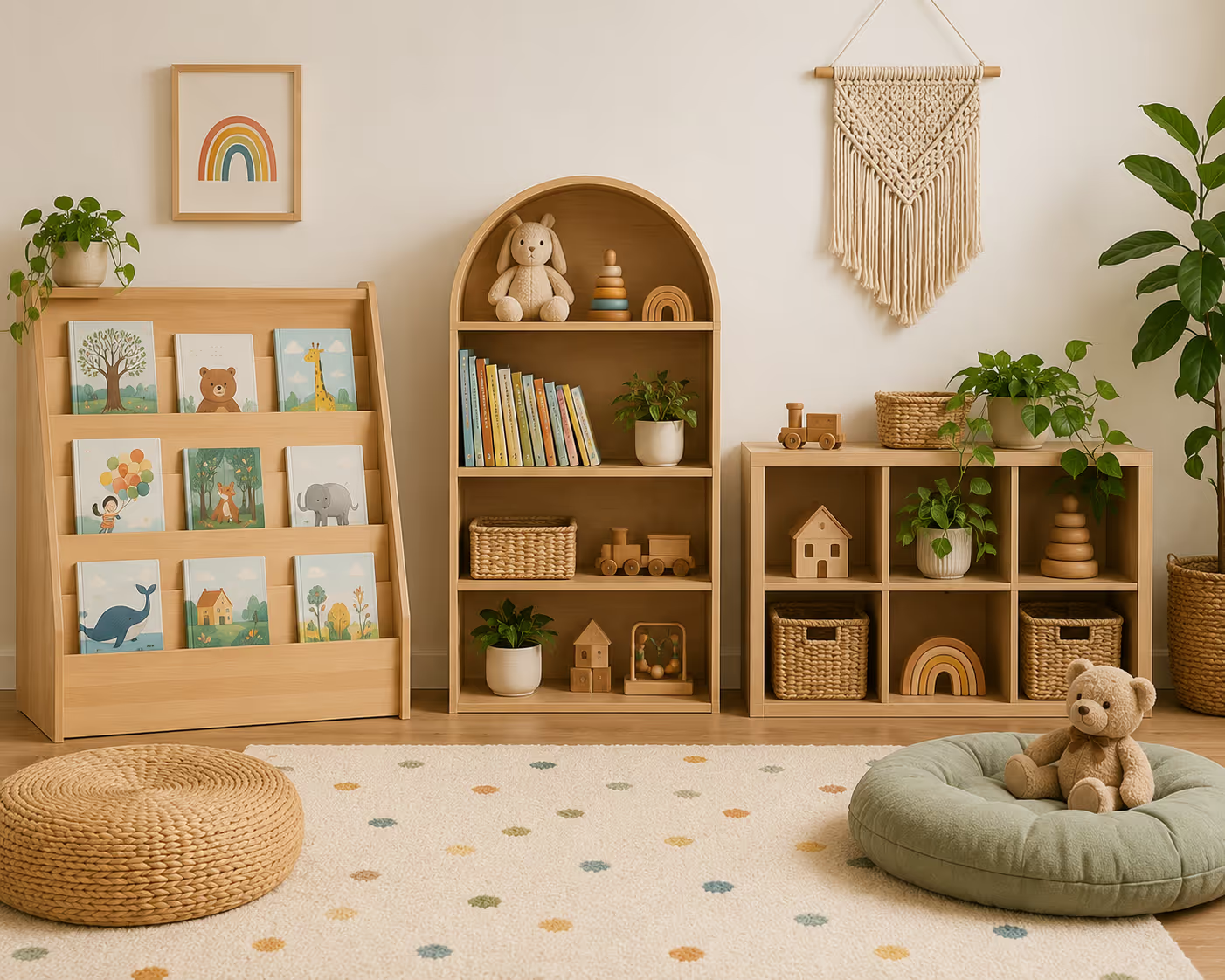
Wall-Mounted Bookshelves
Wall-mounted shelving offers a modern solution for families looking to maximize available floor space.
Saving Floor Space
Installing shelves on the wall helps free up valuable floor area, making bedrooms and playrooms feel larger and more open.
Displaying Favourite Books
Many parents use wall-mounted shelving to showcase frequently read titles while keeping them within reach.
Modern Room Design
Floating bookshelf designs provide a clean and contemporary appearance that complements a wide range of interior styles.
Best Rooms for a Children’s Bookcase
A well-placed bookshelf can enhance multiple areas of the home, creating opportunities for reading, learning, and organization beyond the bedroom.
Bedrooms
Children’s bedrooms are one of the most common locations for book storage.
Bedtime Reading Routines
Keeping books nearby encourages nightly reading habits and makes bedtime stories easier to incorporate into daily routines.
Personal Book Collections
Dedicated storage gives children a sense of ownership over their growing collection of books.
Organized Storage
A designated place for books helps maintain a cleaner and more organized bedroom environment.
Playrooms
Playrooms often serve as spaces for learning, creativity, and exploration.
Easy Access to Books and Toys
Combining books and educational materials in one location makes it easier for children to move between activities independently.
Encouraging Independent Play
Accessible storage empowers children to choose activities on their own and return items when finished.
Flexible Layouts
Bookshelves can be incorporated into various playroom designs without occupying excessive space.
Learning Spaces
Whether supporting homeschooling or homework routines, dedicated learning areas benefit from organized storage.
Supporting Homeschooling
Accessible shelving helps keep educational materials organized and readily available.
Study and Reading Areas
Bookshelves can help define quiet learning zones within larger rooms.
Educational Organization
Organized storage encourages productive learning environments and reduces distractions.
Shared Family Spaces
Books don’t need to be confined to children’s bedrooms.
Family Reading Corners
Creating a shared reading area encourages family engagement and promotes literacy throughout the home.
Accessible Storage
Positioning books in common areas allows children to access reading materials throughout the day.
Creating Literacy-Friendly Environments
Visible books encourage spontaneous reading and help establish a culture of learning within the household.
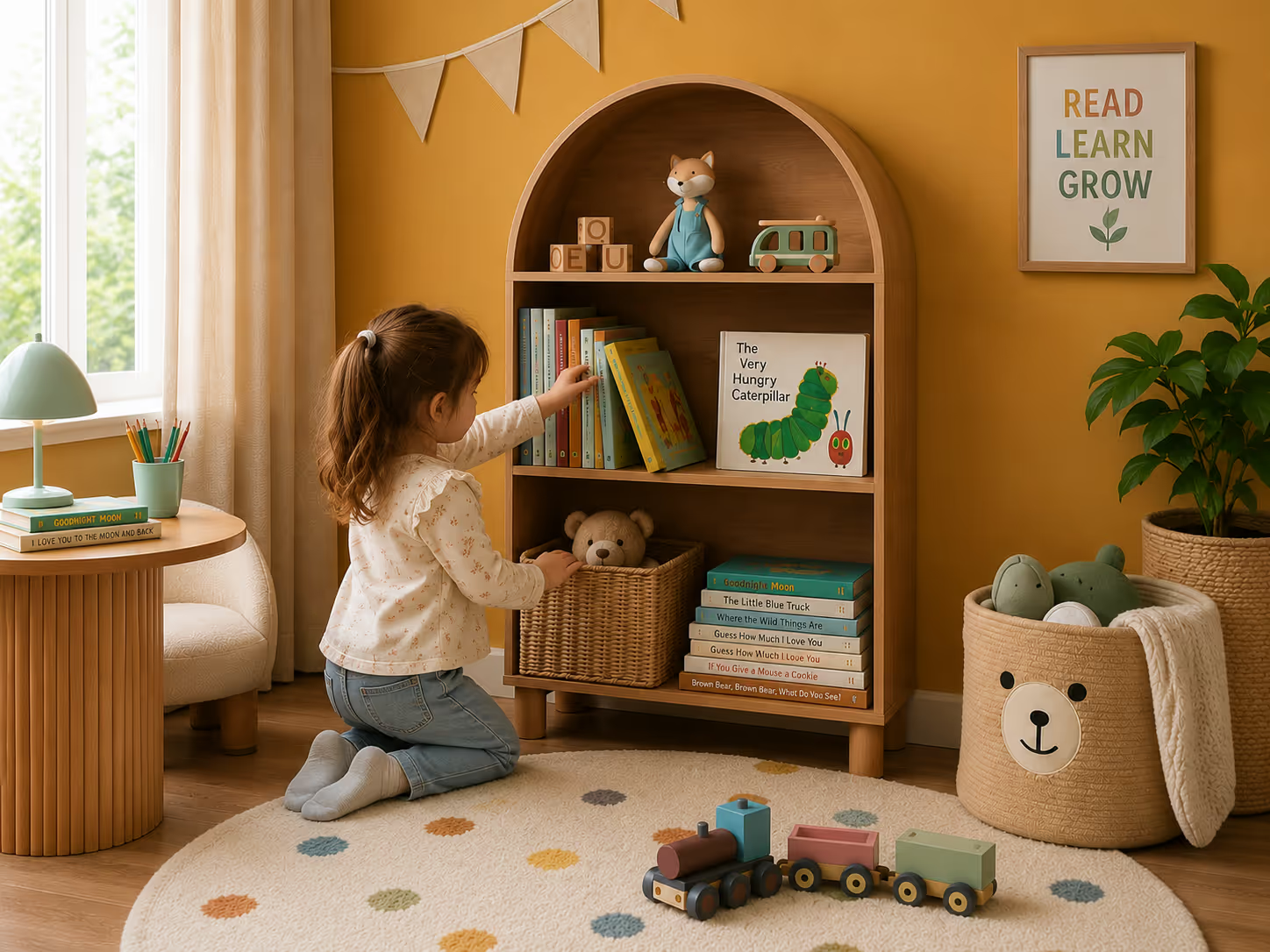
Montessori Storage Ideas Beyond Books
While books are often the focus of Montessori-inspired spaces, the same principles can be applied to many other areas of a child’s daily life. The goal is to create an environment where children can independently access, use, and return their belongings without constant assistance. Thoughtful storage solutions help establish routines, build confidence, and encourage responsibility from an early age.
Toy Organization
Organized toy storage allows children to choose activities independently while making cleanup easier. Open baskets, low shelves, and clearly defined storage areas help children understand where items belong.
Rather than overwhelming children with too many options, Montessori spaces often display a smaller selection of toys that can be rotated regularly. This approach promotes focus, reduces clutter, and encourages more meaningful play.
Art and Craft Supplies
Creative materials such as crayons, paper, paints, and craft supplies can be stored in accessible containers that children can reach safely.
When art materials are easy to access, children are more likely to engage in creative activities independently. Organized storage also helps children learn responsibility by encouraging them to return supplies after use.
Educational Materials
Learning resources such as puzzles, counting games, flashcards, and activity kits benefit from dedicated storage areas.
Keeping educational materials visible and organized encourages children to explore learning opportunities throughout the day. Simple shelving systems make it easy for children to select activities that match their interests and developmental stage.
Clothing and Everyday Items
Montessori principles can also extend to wardrobes and personal belongings.
Low clothing rails, accessible drawers, and open storage help children participate in dressing themselves and managing daily routines. These small opportunities for independence can build confidence and support important life skills.
Encouraging Self-Management
Accessible storage allows children to take ownership of their environment. When everything has a designated place, children can learn to manage their belongings with less assistance from adults.
Creating Organized Routines
Consistent storage systems help establish daily habits. Children quickly learn where items belong, making it easier to maintain tidy and organized spaces.
Supporting Independence Throughout the Day
From selecting a book to choosing clothing or cleaning up toys, Montessori-inspired storage encourages children to make decisions and complete tasks independently, supporting their development in practical and meaningful ways.
How Floating Shelves Can Complement a Kids Bookcase
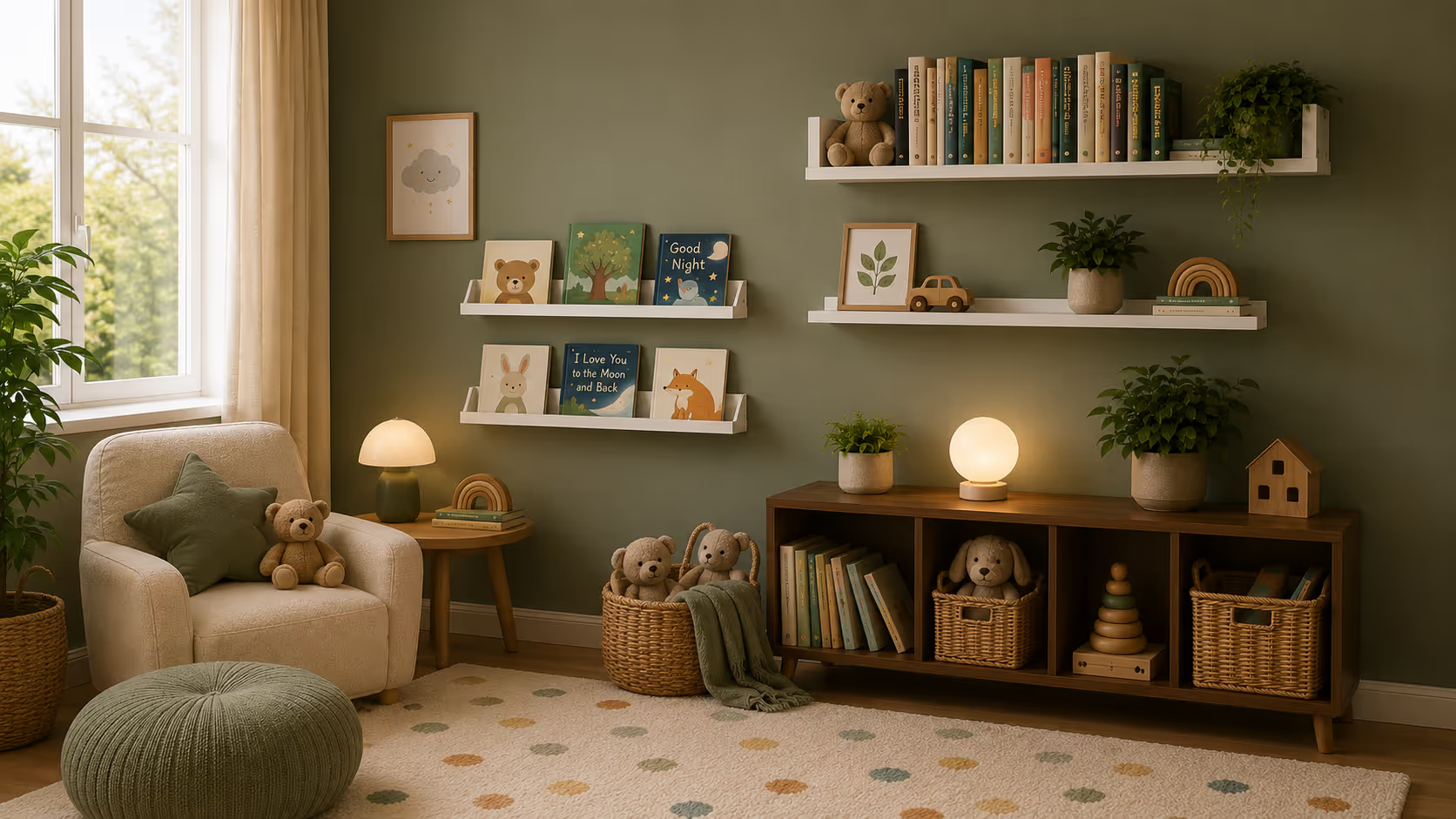
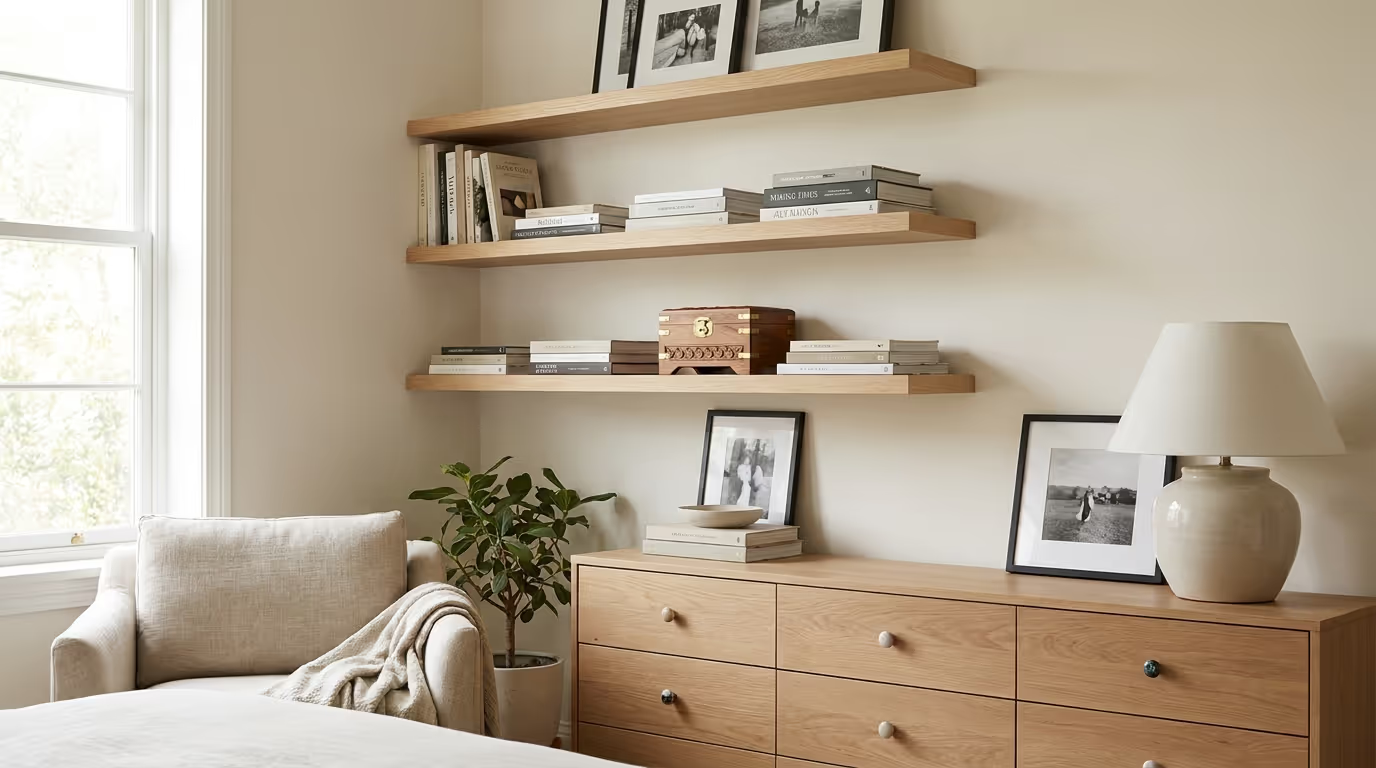
A children’s bookshelf provides essential storage, but floating shelves can add even more functionality while maintaining a clean and uncluttered room design. By utilizing vertical wall space, parents can create additional storage and display opportunities without sacrificing valuable floor area.
Displaying Favourite Books
Not every book needs to be stored on a traditional bookshelf. Floating shelves provide an excellent way to showcase favourite stories, seasonal books, or frequently read titles.
Many families use Floating Bookshelf NZ to create attractive book displays that keep beloved titles visible and easily accessible while adding visual interest to the room.
Creating Reading Corners
A dedicated reading corner can encourage children to spend more time with books and develop positive reading habits.
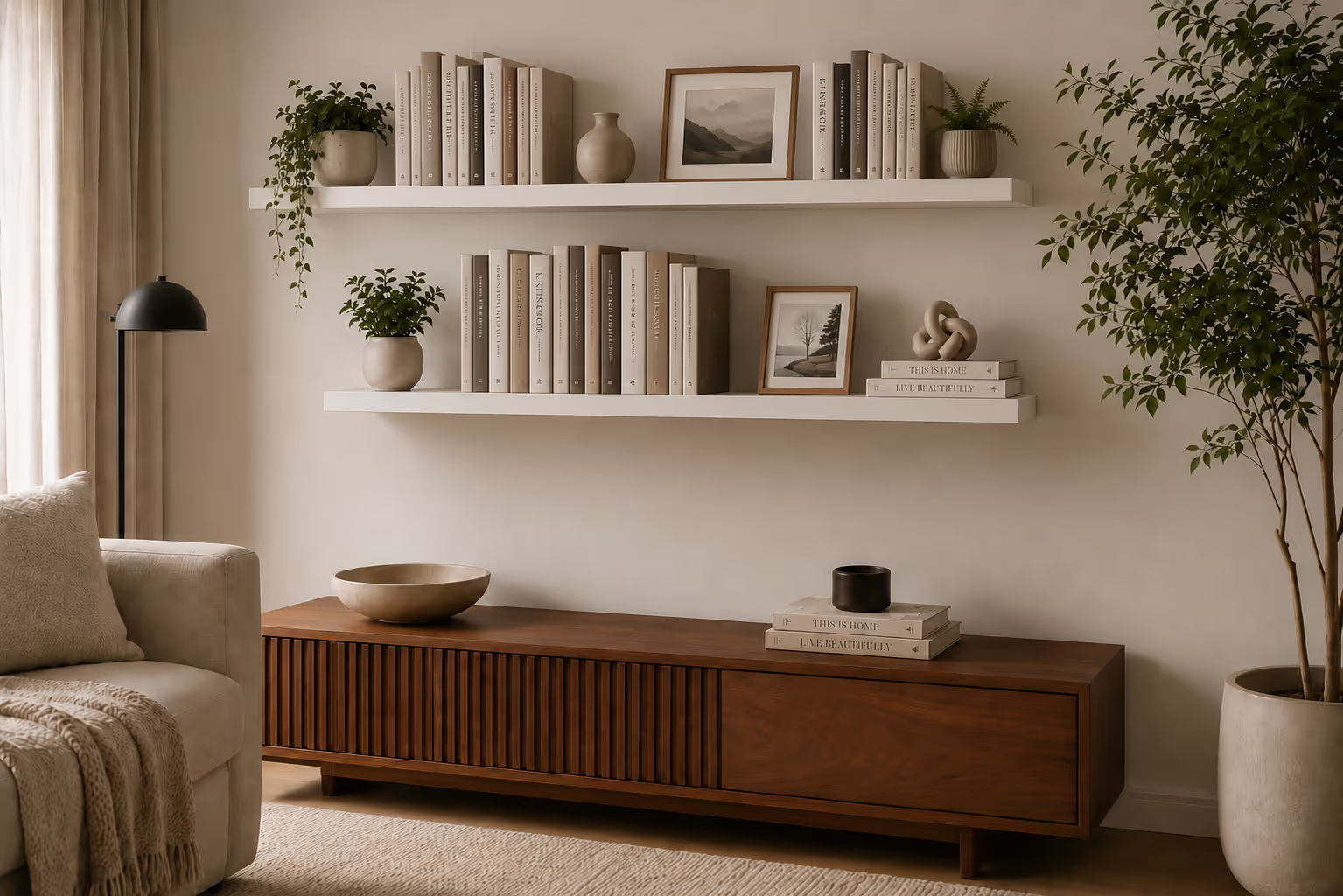
Installing Floating White Shelf NZ near a comfortable chair, bean bag, or floor cushion creates a welcoming reading space where books remain within easy reach.
Displaying Artwork and Achievements
Children enjoy seeing their accomplishments showcased around the home. Floating shelves provide a simple way to display artwork, certificates, trophies, and personal creations.
Many parents choose Cliff Hanger Off-White Shelves to create flexible display areas that can evolve as children grow and their interests change.
Maximizing Small Bedrooms
Smaller bedrooms often require creative storage solutions. Wall-mounted shelving helps maximize available space while keeping the room open and functional.
Utilizing Vertical Wall Space
Using walls for storage helps free up floor space for play, learning, and other activities.
Reducing Floor Clutter
Floating shelves reduce the need for additional furniture, helping rooms feel larger and more organized.
Creating Flexible Storage Solutions
As children’s needs change, wall-mounted shelves can easily be repurposed to store books, décor, educational materials, or personal collections.
Common Mistakes to Avoid When Buying a Children’s Bookcase
Choosing the right bookshelf involves more than selecting an attractive design. Avoiding a few common mistakes can help ensure the furniture remains functional, safe, and useful for years.
Choosing Shelves That Are Too Tall
One of the biggest mistakes is selecting storage that children cannot reach independently.
Montessori-inspired spaces prioritize accessibility, so shelves should be positioned at a height appropriate for the child’s age and abilities.
Ignoring Safety Features
Furniture safety should never be overlooked. Stable construction, rounded edges, and secure wall mounting help create a safer environment, particularly for younger children.
Buying Insufficient Storage
Children’s book collections often grow quickly. Choosing a unit with limited capacity may lead to overcrowding and disorganization sooner than expected.
Allowing extra storage space helps accommodate future needs.
Prioritizing Style Over Function
While appearance matters, functionality should remain the priority. The most effective storage solutions are easy for children to use and support everyday routines.
Not Planning for Future Growth
Children’s needs evolve over time. Furniture that offers flexibility and long-term usability often provides better value than highly specialized pieces that may quickly become outdated.
Why Montessori-Inspired Furniture Is a Smart Long-Term Investment
Montessori-inspired furniture offers benefits that extend well beyond childhood.
Supporting Child Development
Furniture designed around a child’s needs encourages learning, exploration, and confidence-building opportunities every day.
Encouraging Independence
Accessible storage empowers children to manage their belongings, make choices, and develop practical life skills.
Better Organization Habits
Consistent storage systems help children learn responsibility and maintain organized environments.
Long-Term Usability
Quality shelving and storage furniture often remain useful for many years and can adapt to changing needs as children grow.
Adaptability as Children Grow
A bookshelf that starts as a picture-book display may later hold novels, study materials, decorative items, and personal collections.
This flexibility makes Montessori-inspired furniture a valuable long-term investment for growing families.
Conclusion
Montessori-inspired storage is about much more than keeping books organized. It creates environments that encourage independence, support learning, and help children develop valuable life skills.
Choosing accessible, safe, and durable shelving allows children to interact confidently with their surroundings while promoting positive habits that can last a lifetime. Whether you’re organizing books, toys, educational materials, or personal belongings, thoughtful storage solutions can make a significant difference in both functionality and daily routines.
Adding floating shelves alongside a bookshelf can further maximize storage capacity while maintaining a clean and organized appearance. By utilizing wall space effectively, families can create rooms that feel more spacious, practical, and visually appealing.
Investing in child-friendly furniture today can help create a supportive environment that encourages confidence, organization, and a lifelong love of learning.
Frequently Asked Questions
What is a Montessori bookcase?
A Montessori bookcase is a child-friendly bookshelf designed to make books easily accessible. These shelves are typically low to the ground and encourage children to independently choose and return books.
Why are front-facing bookshelves popular in Montessori spaces?
Front-facing displays allow children to see book covers rather than just spines. This makes books more appealing and easier to identify, encouraging independent reading and exploration.
What height should a children’s bookcase be?
The ideal height depends on the child’s age, but shelves should generally be low enough for children to reach books safely without assistance.
Are wall-mounted bookshelves safe for children’s rooms?
Yes, when properly installed. High-quality wall-mounted shelving with secure fixings can provide safe and effective storage while keeping floor space clear.
What material is best for a kids bookcase?
Timber is one of the most popular choices because it offers durability, strength, and long-lasting performance while complementing a wide range of interior styles.
How many books should a children’s bookshelf hold?
The ideal capacity depends on the size of the collection. Many Montessori-inspired spaces display a smaller selection of books at one time while storing additional titles elsewhere for rotation.
Can floating shelves be used in a child’s bedroom?
Absolutely. Floating shelves can display books, artwork, trophies, educational materials, and decorative items while maximizing available wall space.
What is the best bookcase for small bedrooms?
Low-profile shelving, wall-mounted bookshelves, and floating shelf systems are excellent options because they provide storage without occupying excessive floor space.
How do I organize children’s books effectively?
Group books by age, reading level, topic, or frequency of use. Keeping favourite titles within easy reach encourages regular reading and helps maintain organization.
Can I order custom floating shelves for a children’s room?
Yes. Custom floating shelves can be made to suit specific room dimensions, storage requirements, colours, and design preferences, creating a solution that grows with your child.