Dining room storage is one of those things that’s easy to overlook until it becomes a problem — extra plates with nowhere to go, serving dishes cluttering the kitchen counter, table linens stuffed into whatever drawer has space. A well-chosen buffet with cabinet and table setup solves this before it starts, giving your dining room both the storage capacity and the serving surface it actually needs, while anchoring the whole room visually.
This guide walks through everything you need to know about choosing a buffet with cabinet and table combination — the different cabinet styles available, how to size one properly for your dining room, how to pair it with your existing table, and how to finish the space with the right finishing touches.
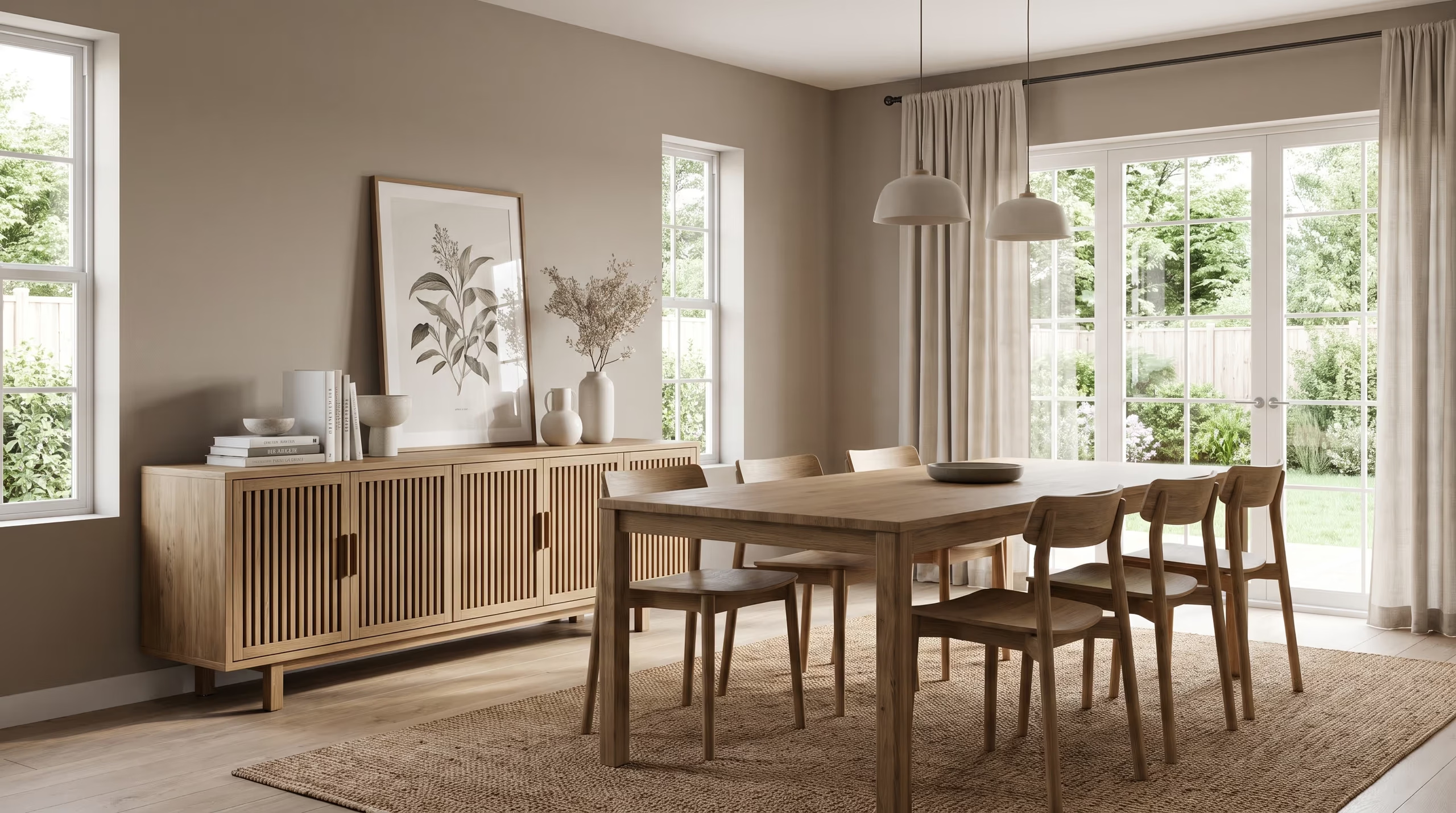
Why a Buffet with Cabinet and Table Matters for Dining Rooms
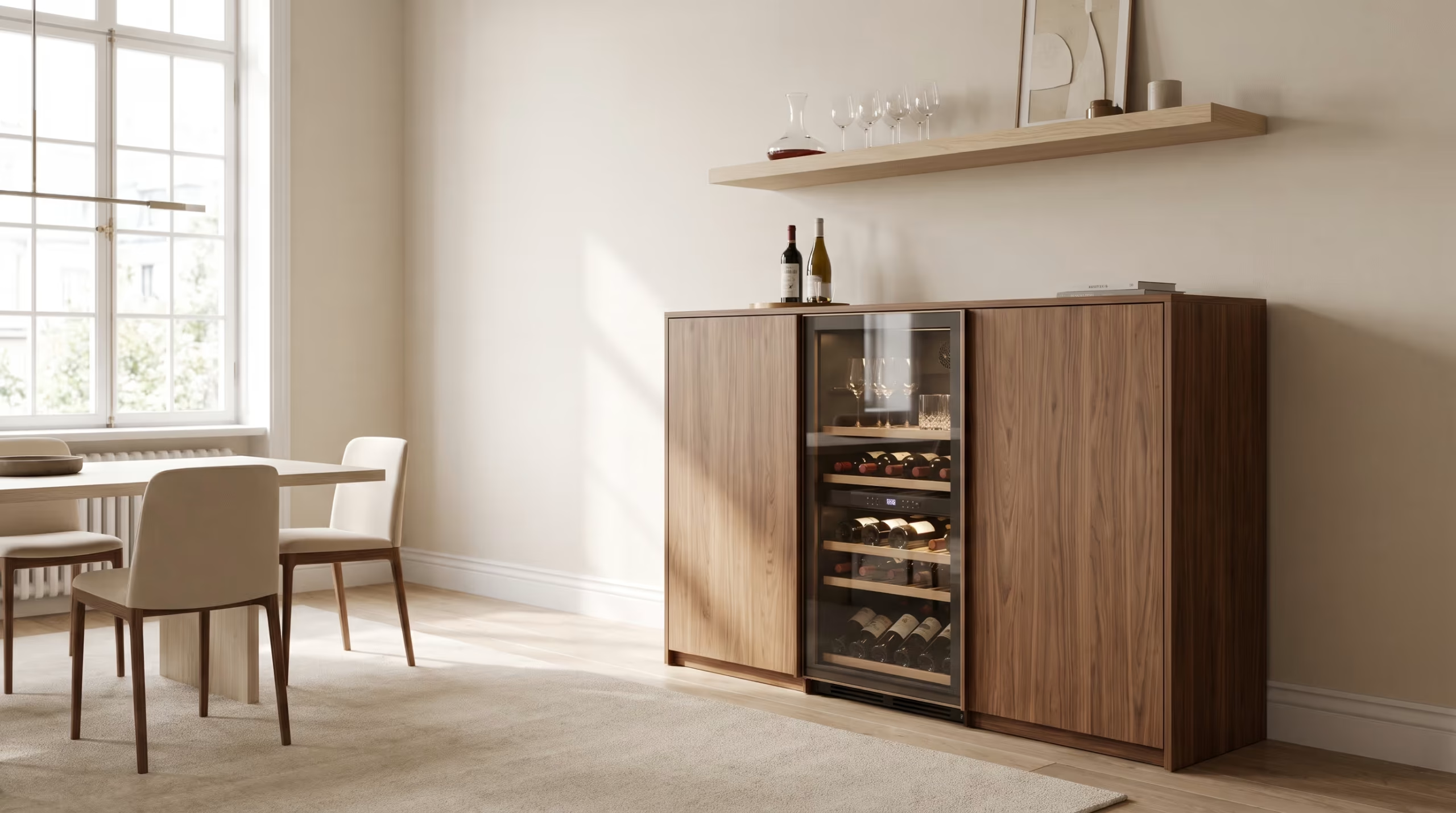
A dining room without proper storage tends to accumulate clutter fast. Serving dishes, table linens, extra cutlery, and glassware all need a home, and without one, they end up scattered across the kitchen or crammed into whatever cupboard has room. A buffet with cabinet and table setup solves this directly — the cabinet handles enclosed storage for items you don’t want on display, while the buffet’s flat top doubles as serving space during meals and a styling surface the rest of the time.
Beyond function, a buffet with cabinet and table combination also anchors the room visually. Dining rooms often lack a clear focal point beyond the table itself, and a well-chosen buffet fills that gap, giving the eye somewhere to land and tying the room’s furniture style together.
Before diving into the details, it helps to see what’s available. Browse our furniture and shelving collection here.
Understanding Buffet with Cabinet Styles
Not all buffets are built the same way, and the right cabinet style depends on how much you need to store and how much you want on display.
Open Shelving vs Closed Cabinet Buffets
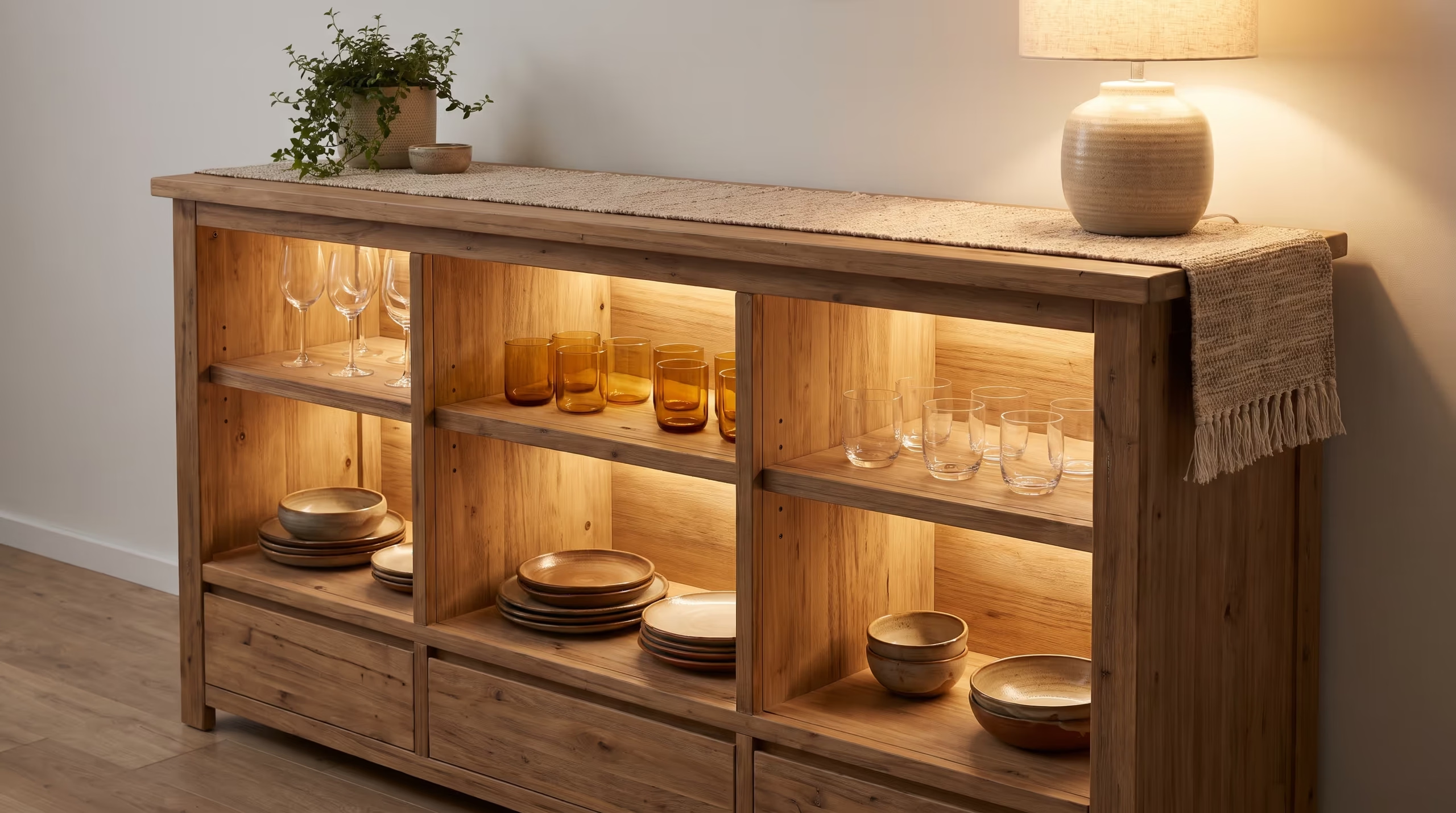
A buffet with cabinet and table setup generally falls into one of two categories: open shelving or fully enclosed cabinetry. Open shelving buffets expose their contents, making them a good option for displaying glassware, serving pieces, or decorative items you’re happy to have on show. Closed cabinet buffets, by contrast, hide everything behind doors, which suits households that want a clean, uncluttered look without worrying about what’s stacked inside.
Some buffet designs combine both, pairing a closed cabinet base with open shelving on top or to one side — a practical middle ground if you want both display space and hidden storage in a single piece.
Buffet with Cabinet Materials
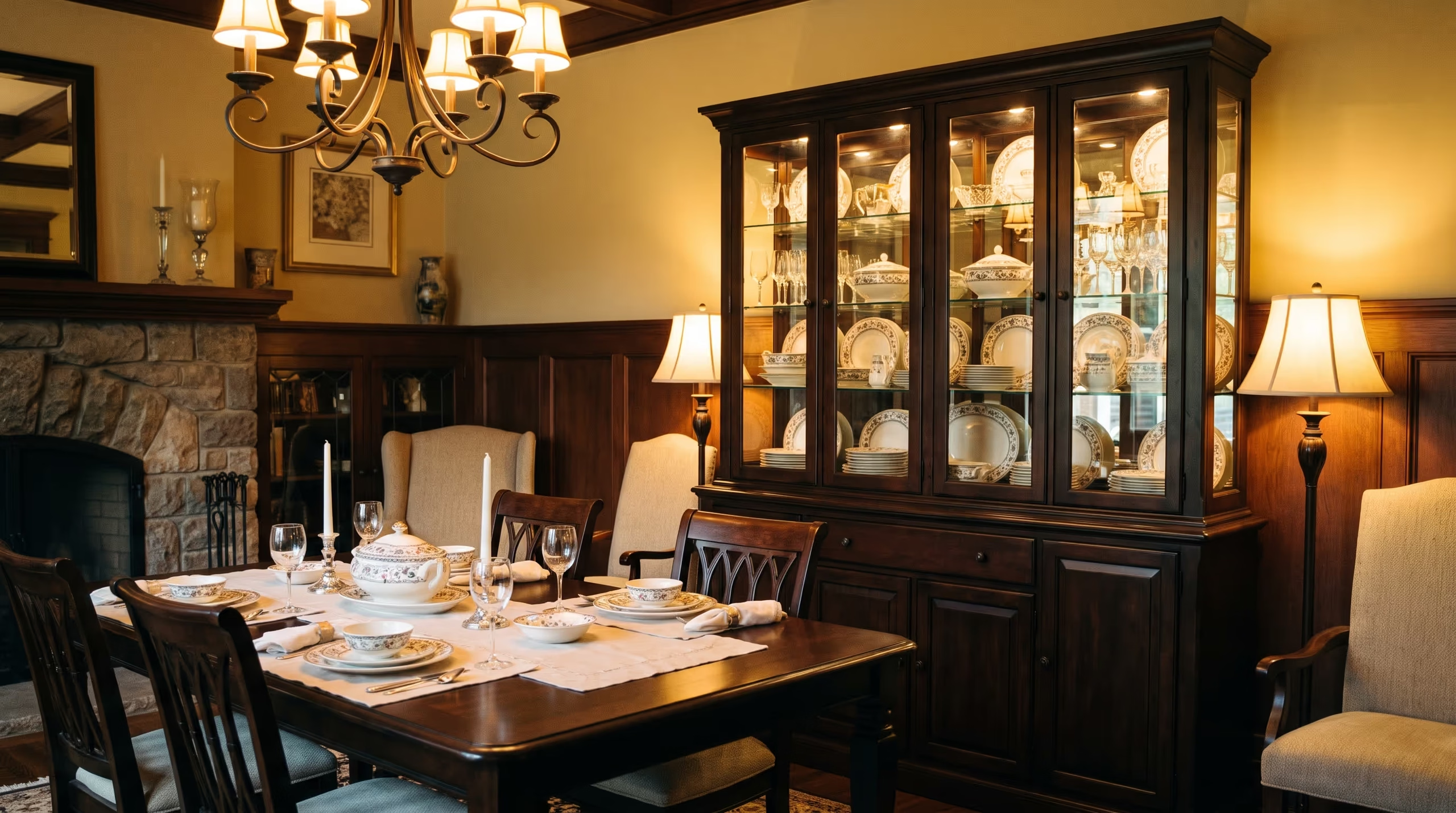
Timber remains the most popular material for a buffet with cabinet and table pairing, offering durability and a natural look that suits most dining room styles. Glass-front cabinet doors are a common variation, letting you display contents like fine china or glassware while still keeping dust and mess out of view. Mixed-material buffets, combining timber with metal legs or hardware, tend to suit more contemporary or industrial dining spaces.
Sizing a Buffet with Cabinet for Your Dining Room
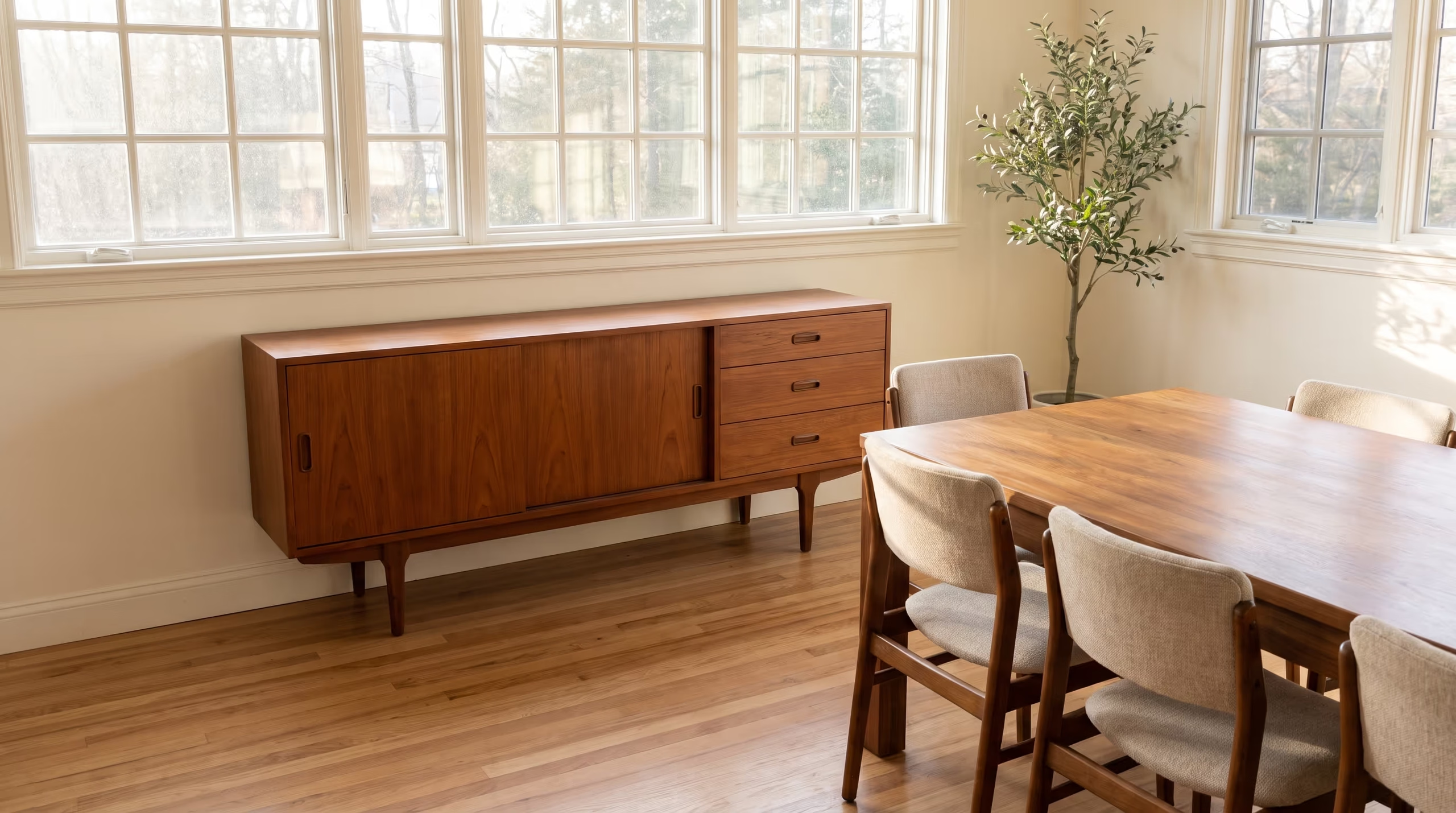
Getting the size right matters as much as the style. A buffet that’s too large will crowd the room and make it difficult to pull out chairs comfortably, while one that’s too small won’t provide enough storage or serving space for regular use. As a general rule, leave at least 90cm of clearance behind dining chairs so people can move freely, and measure your available wall space before committing to a specific buffet with cabinet and table combination.
Ready to browse options that fit your space? Explore our dining and storage furniture range here.
Pairing Your Buffet with Table Setups
Once you’ve chosen a cabinet style, matching it to your existing (or planned) dining table is the next step.
Matching Buffet with Table Styles
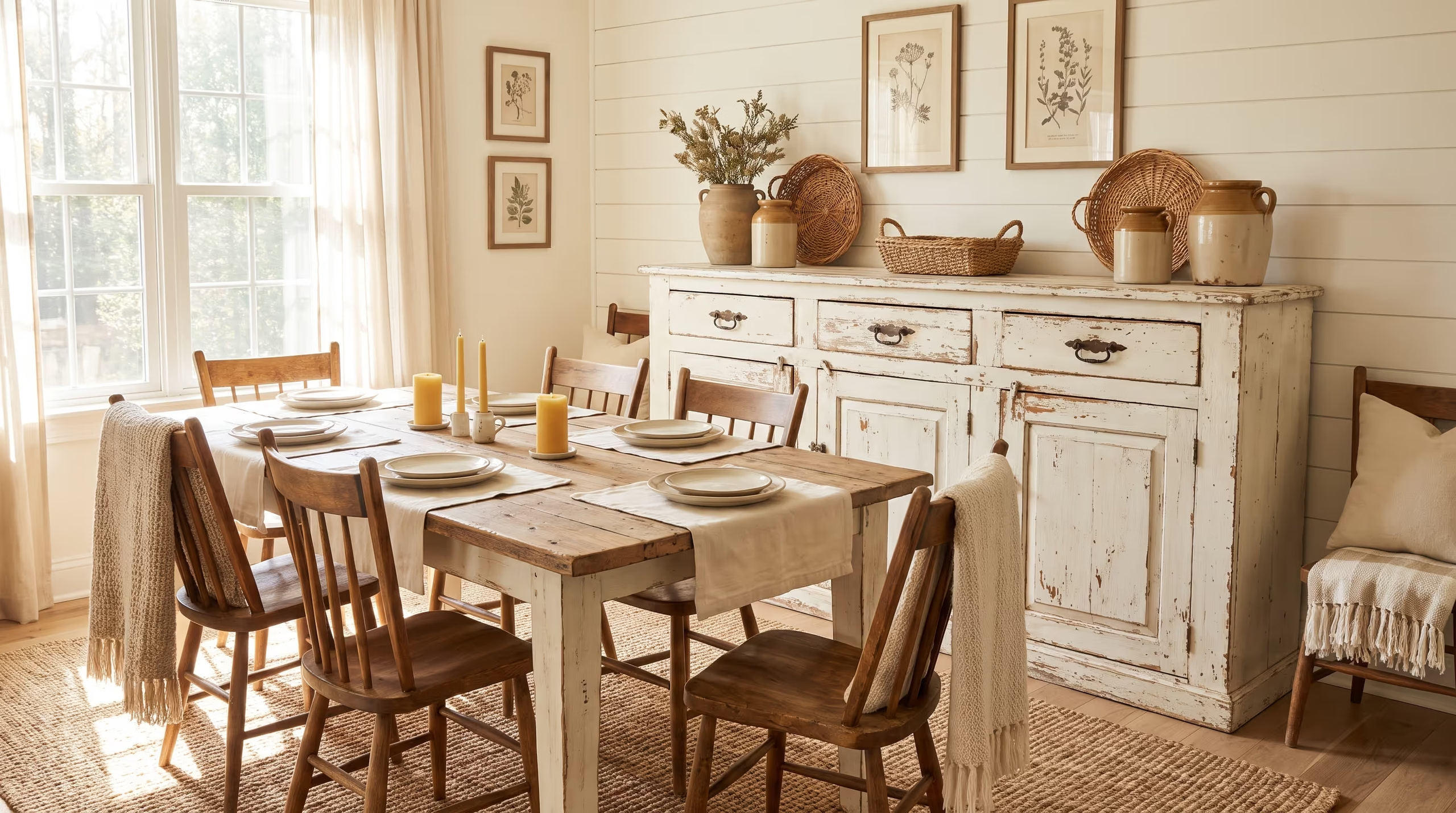
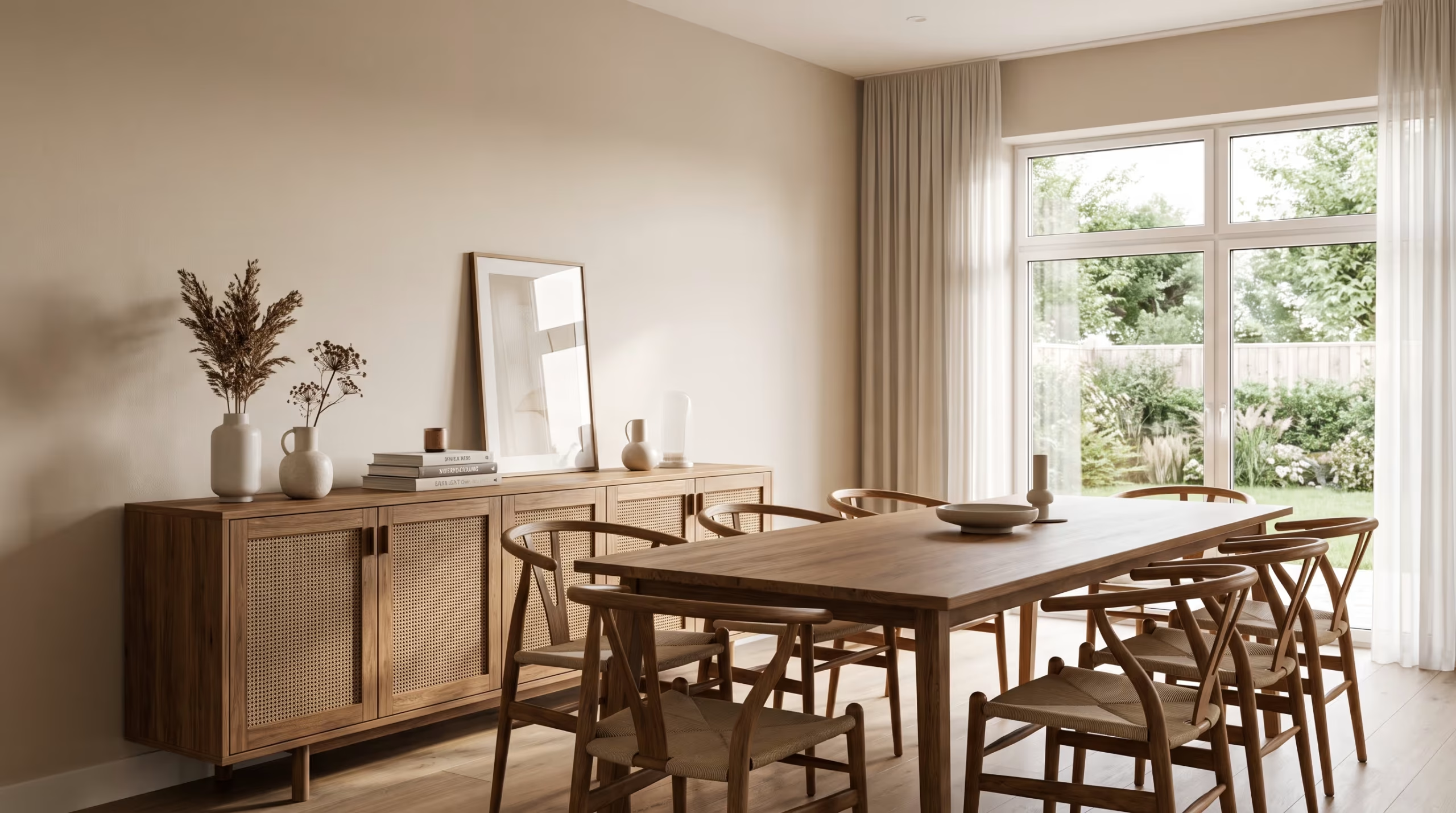
A cohesive buffet with table pairing comes down to sharing materials, tones, or design language rather than buying an exact matching set. A modern glass and metal dining table pairs well with a buffet featuring similar clean lines and mixed materials. A farmhouse-style table with a distressed timber finish suits a buffet with cabinet doors in a similar natural or whitewashed wood tone. Traditional dining tables with carved legs and rich wood tones pair naturally with a buffet in a matching dark timber finish.
The goal isn’t to match every detail perfectly, but to make sure the buffet with cabinet and table combination reads as part of the same overall room rather than two unrelated purchases.
Placement and Layout Tips
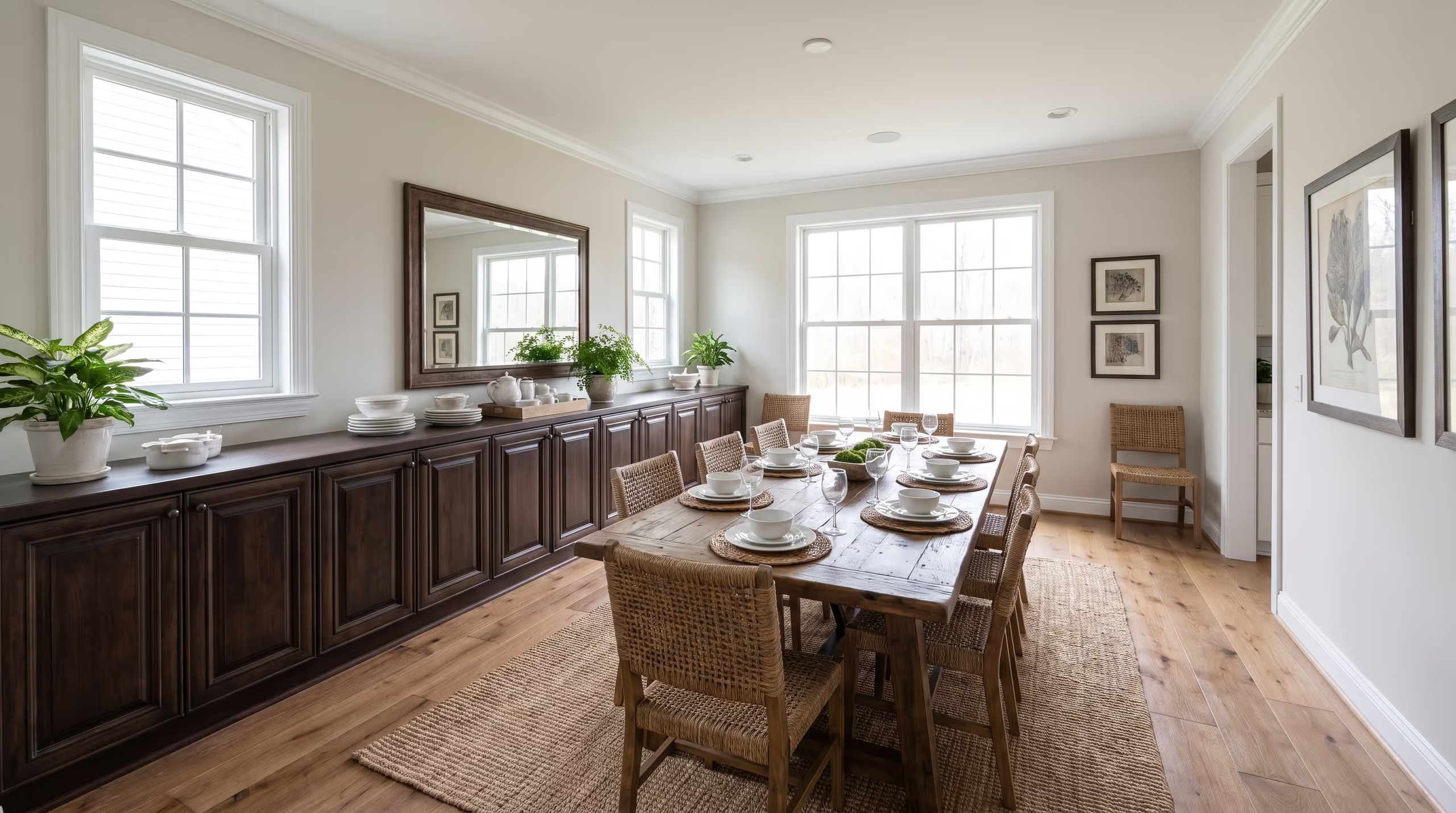
Positioning matters just as much as style. A buffet is typically placed against the longest available wall in the dining room, ideally within easy reach of the table for serving during meals. Leave enough space for cabinet doors or drawers to open fully without hitting nearby furniture, and avoid placing a buffet directly behind chairs where people sit, since it can make the space feel tight during use.
If your dining room doubles as a walkway or opens into another living space, consider a slimmer buffet profile so it doesn’t obstruct the flow of the room.
Not sure which buffet with cabinet and table combination suits your space? Get in touch with our team for advice.
Complete Your Dining Room with Floating Shelves
A buffet with cabinet and table setup covers the bulk of your dining room’s storage and serving needs, but floating shelves round out the space with extra display room that doesn’t take up any additional floor space.
Floating Shelves Above a Buffet with Cabinet
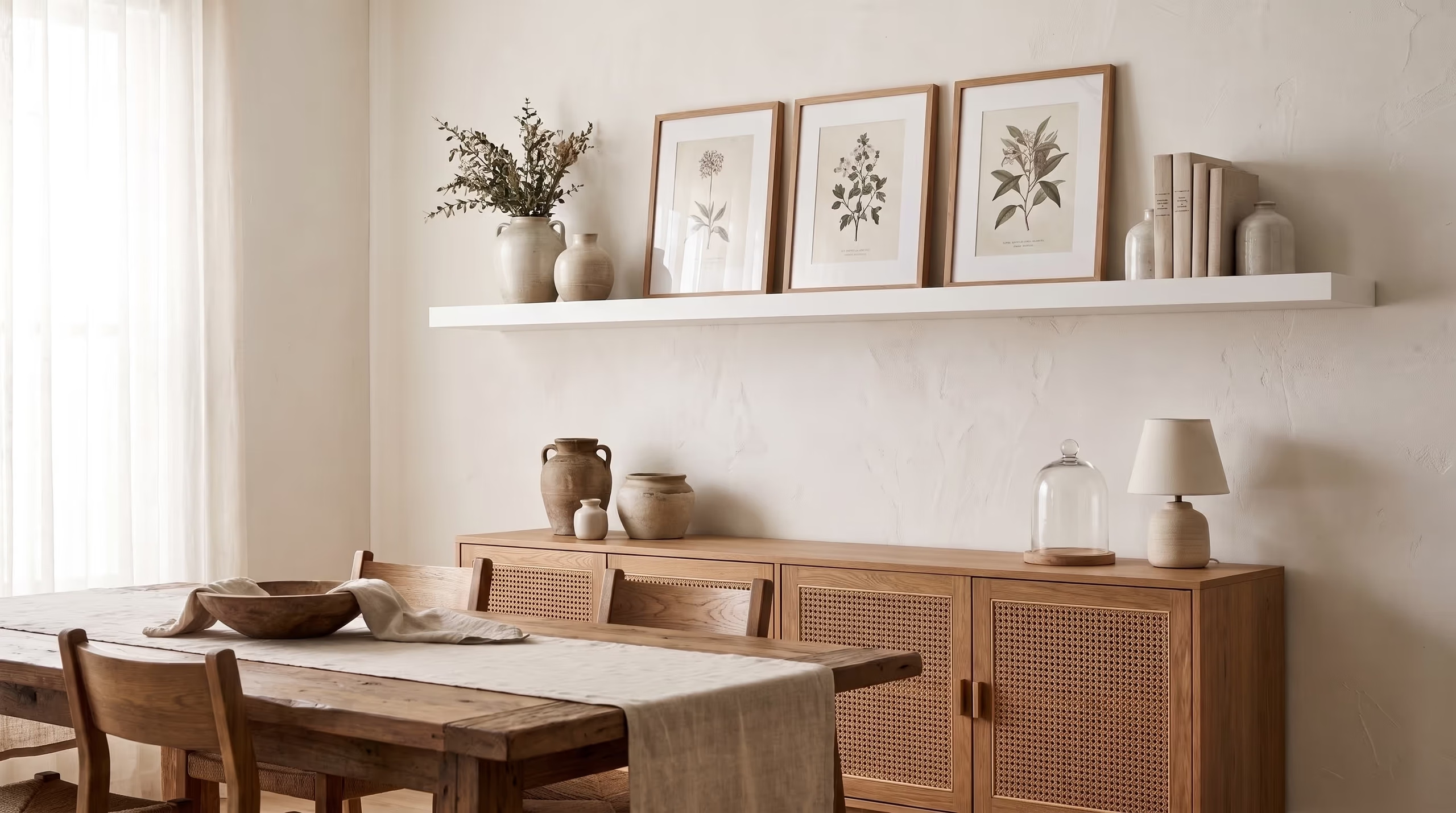
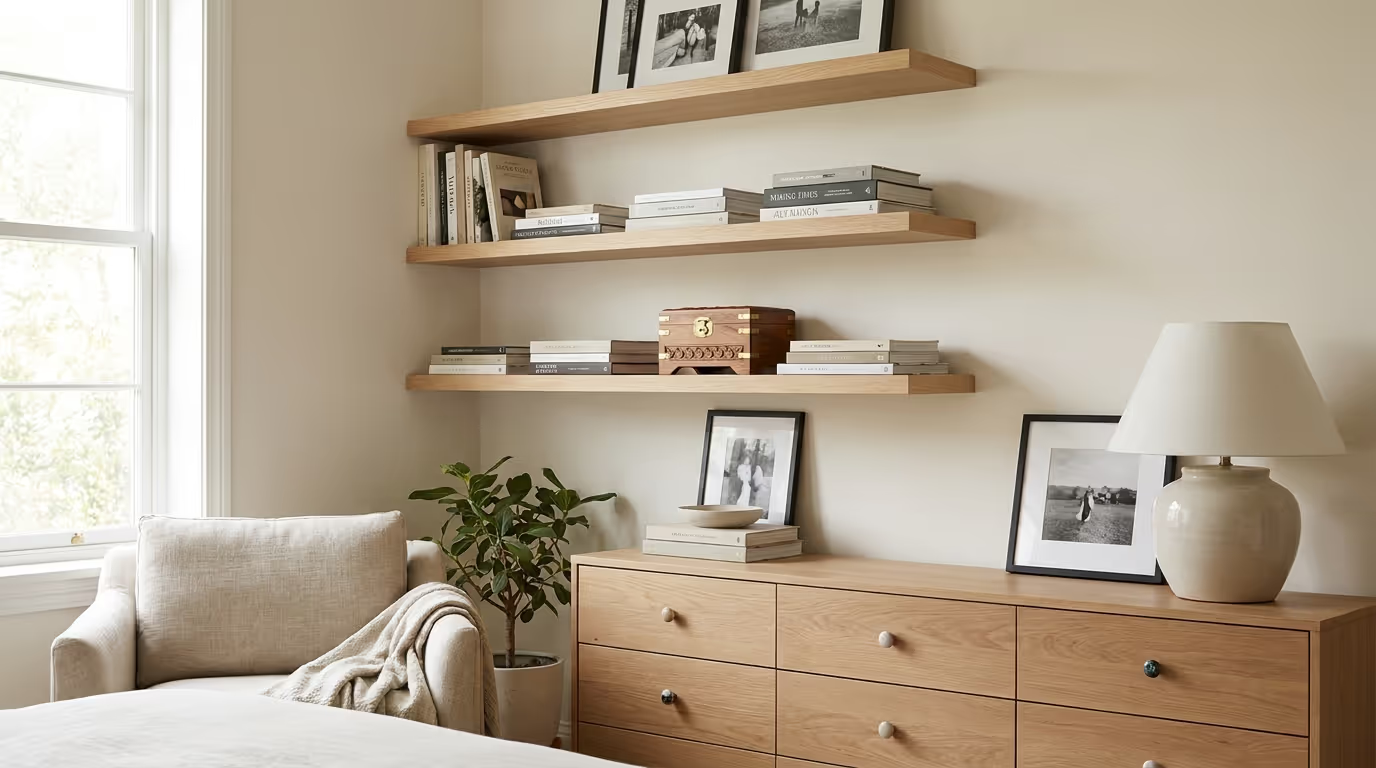
Mounting a floating shelf directly above your buffet with cabinet makes use of the wall space that would otherwise sit empty. It’s a natural spot to display artwork, a mirror flanked by small shelves, or a single long shelf holding decorative pieces that complement what’s stored below. This works particularly well when the shelf finish echoes the buffet’s timber tone, keeping the whole wall feeling considered rather than assembled piece by piece.
Interested in our products make sure to visit our store and Shop our full range of NZ-made floating shelves here.
Floating Shelves as Extra Display Alongside Your Buffet with Table
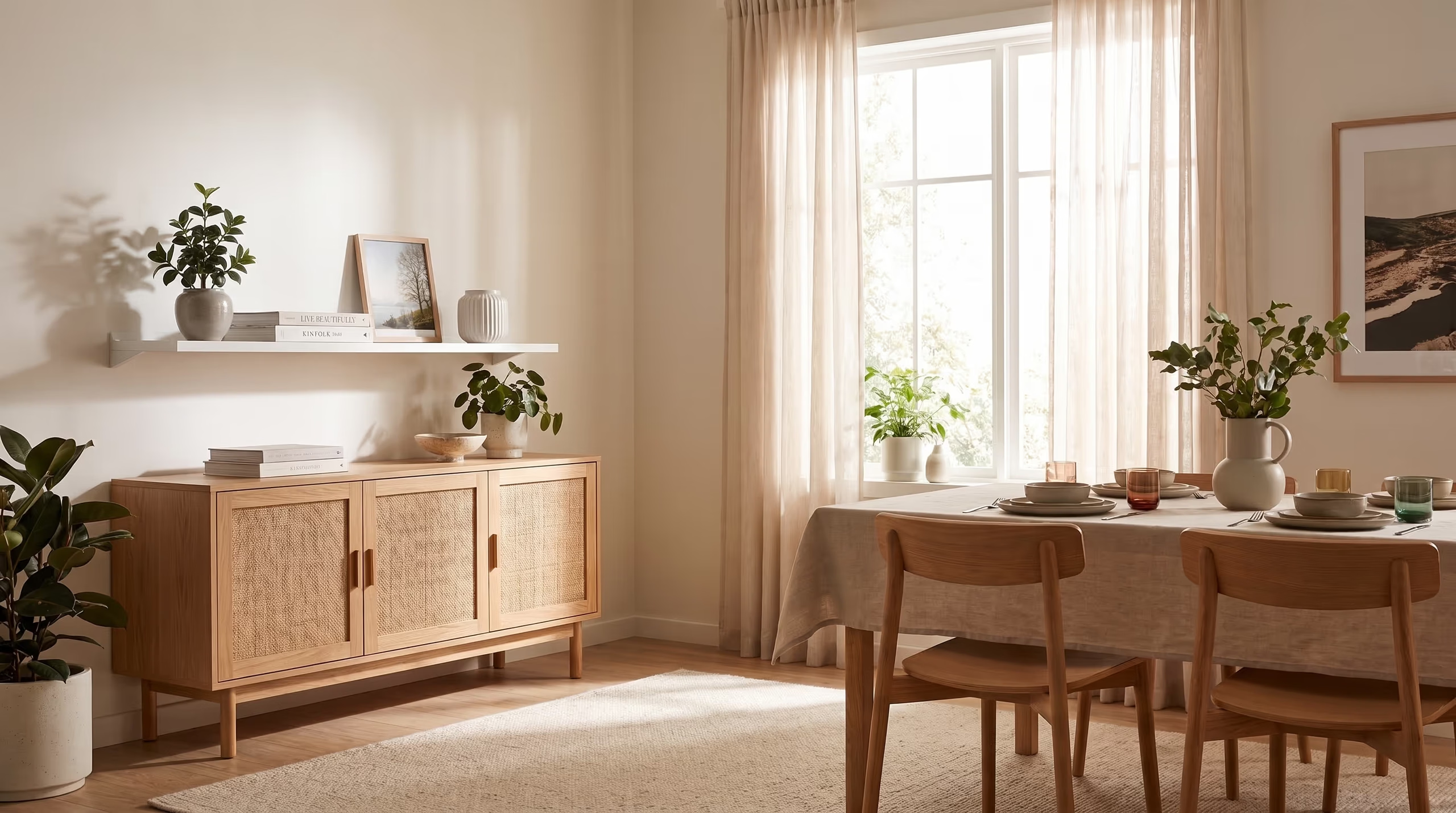
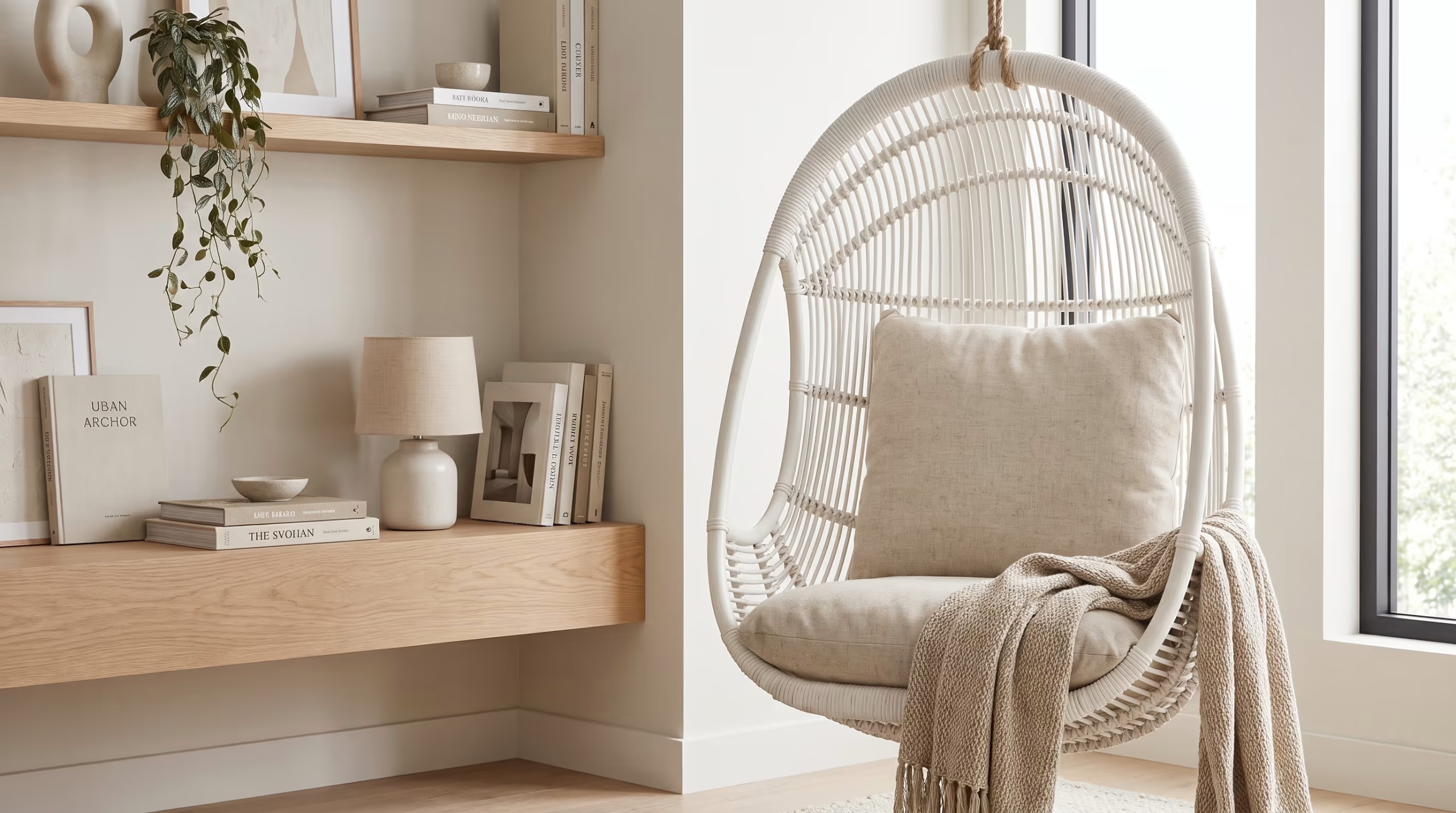
If your dining room has an adjacent wall or corner, a set of floating shelves nearby can extend your buffet with table setup without adding another bulky piece of furniture. Use them to display glassware, cookbooks, or seasonal decor — giving you flexible extra storage and styling space that adapts as your needs change, without the footprint of a second cabinet.
Finish your dining room the right way. Shop our full range of NZ-made floating shelves here.
Conclusion
A buffet with cabinet and table combination brings both function and visual anchor to a dining room, solving storage clutter while giving the space a clear focal point. From choosing between open shelving and closed cabinetry, to sizing your buffet correctly, to matching it thoughtfully with your table, each decision shapes how well the room works day to day. Round it out with floating shelves for extra display, and you’ve got a dining room that’s as practical as it is well put together.
What’s the difference between a buffet with cabinet and a sideboard?
The terms are often used interchangeably, though a buffet with cabinet and table setup typically refers to a piece specifically paired with dining seating for serving, while a sideboard can serve a broader range of rooms.
How much space should I leave around a buffet with cabinet and table?
Leave at least 90cm of clearance behind dining chairs, and ensure cabinet doors or drawers on your buffet can open fully without hitting nearby furniture.
Should my buffet match my dining table exactly?
No — a buffet with cabinet and table combination works best when the two share materials, tones, or design language, rather than being an identical matching set.
Can floating shelves replace a buffet with cabinet entirely?
Floating shelves work well as a complement to a buffet with cabinet and table setup, but they don’t offer the enclosed storage a cabinet provides, so most dining rooms benefit from having both.