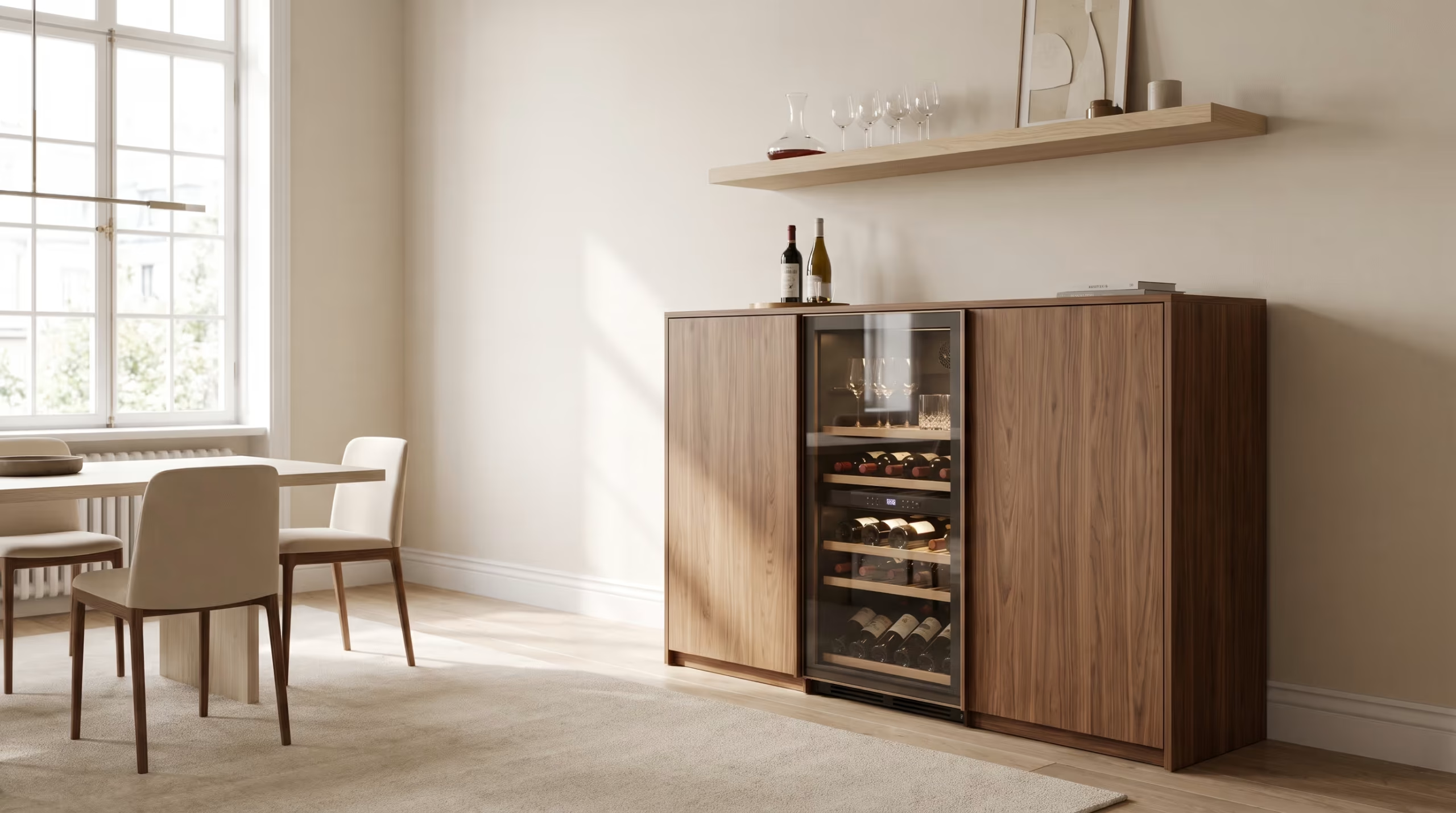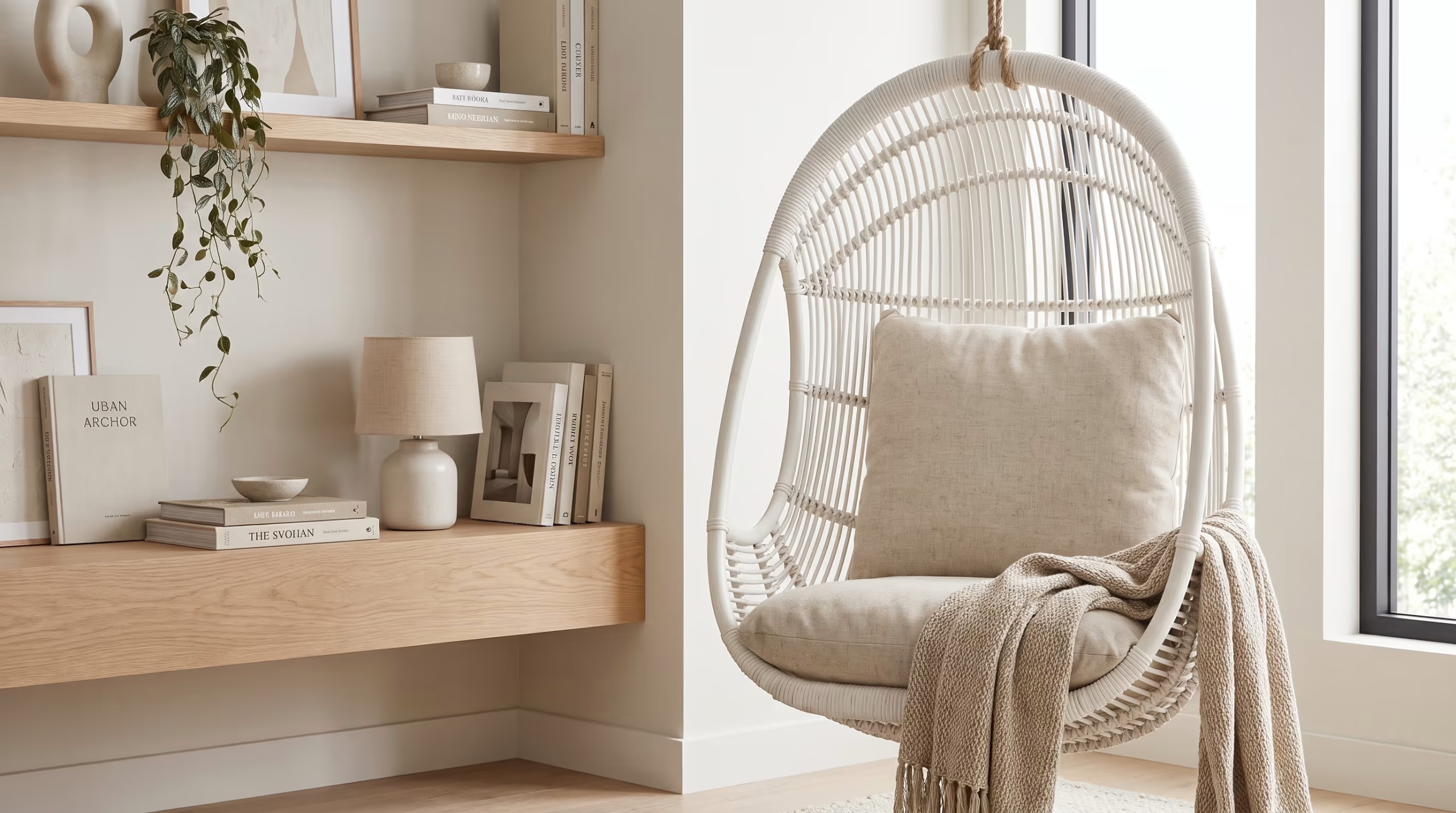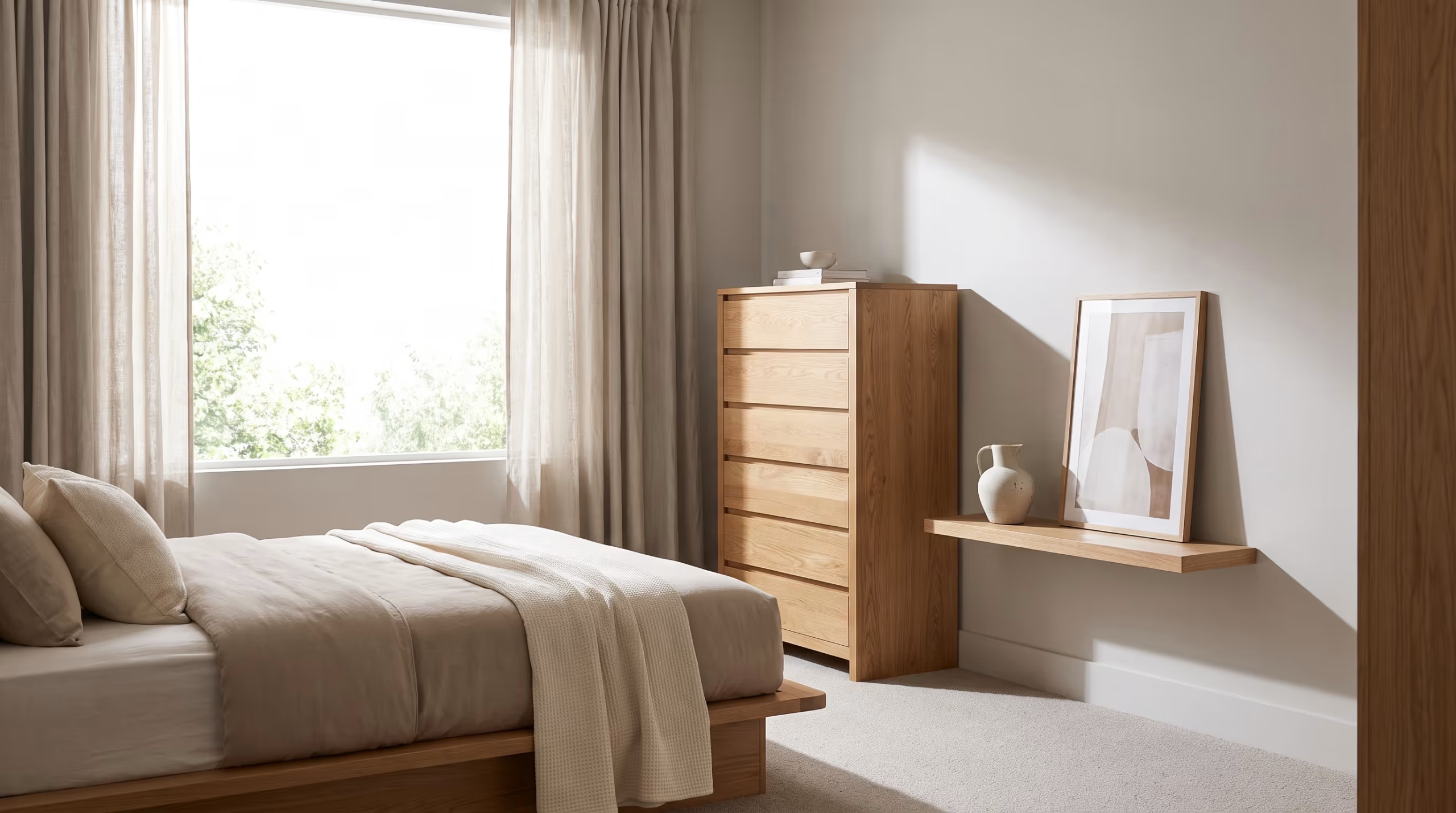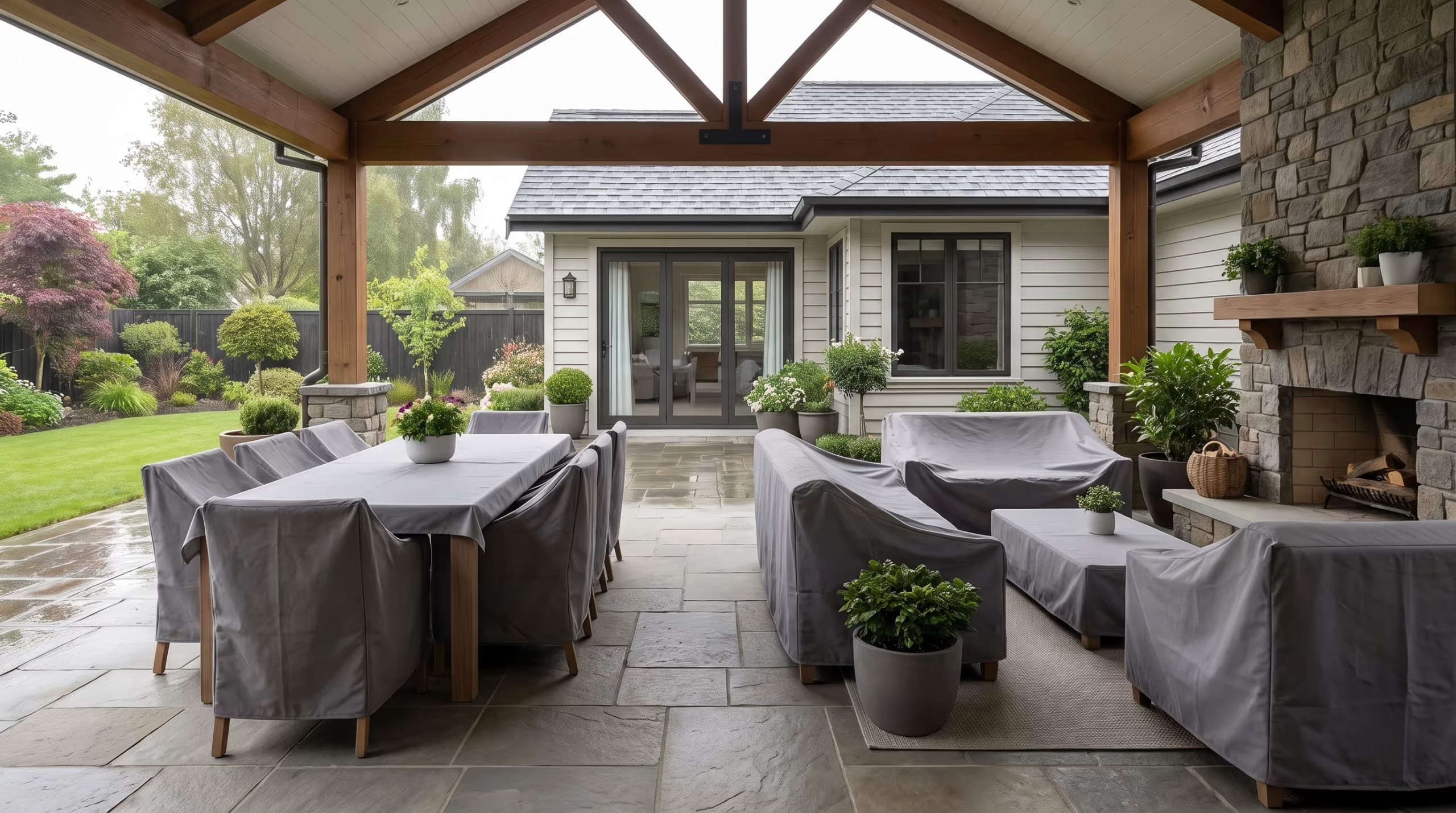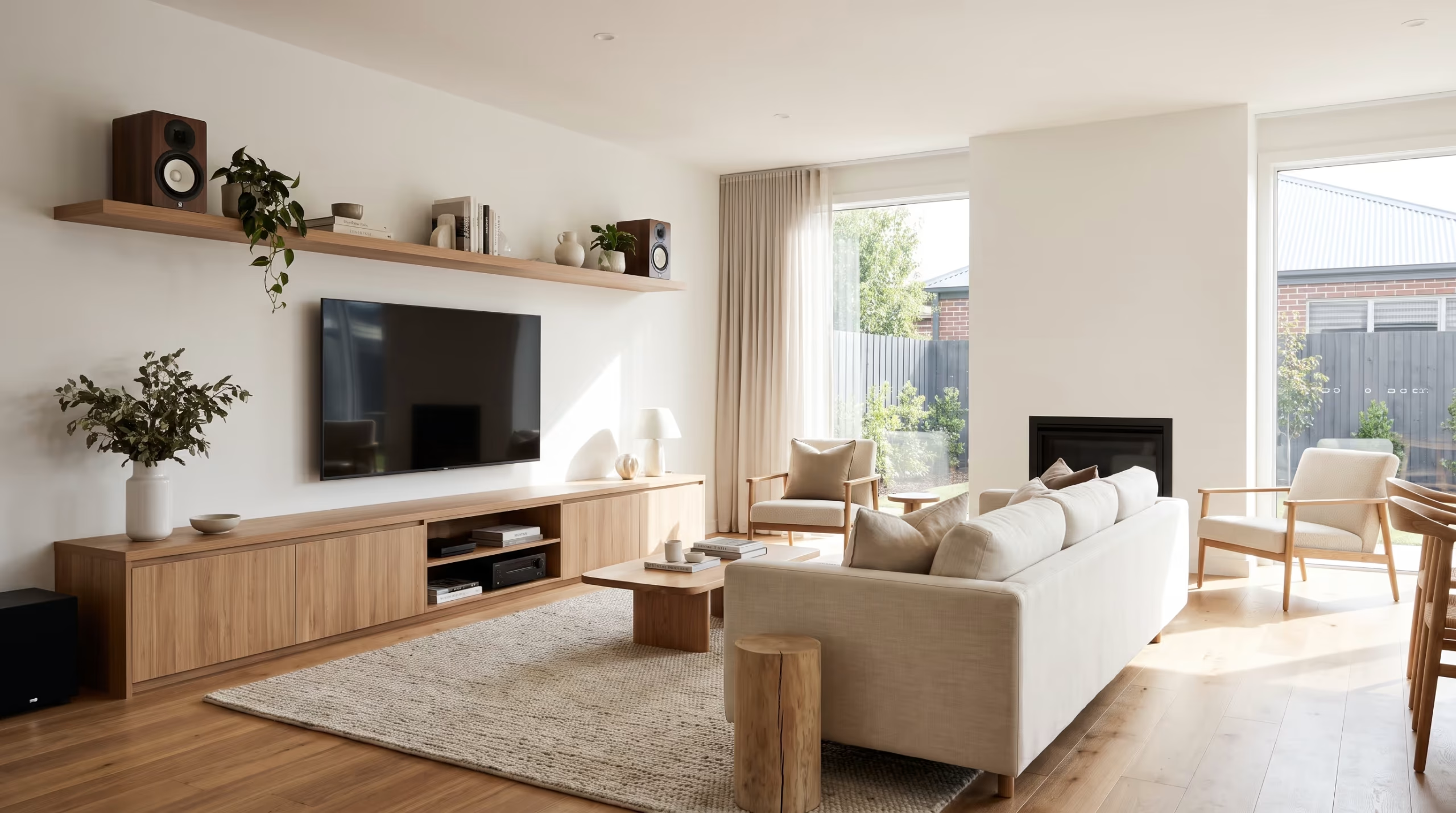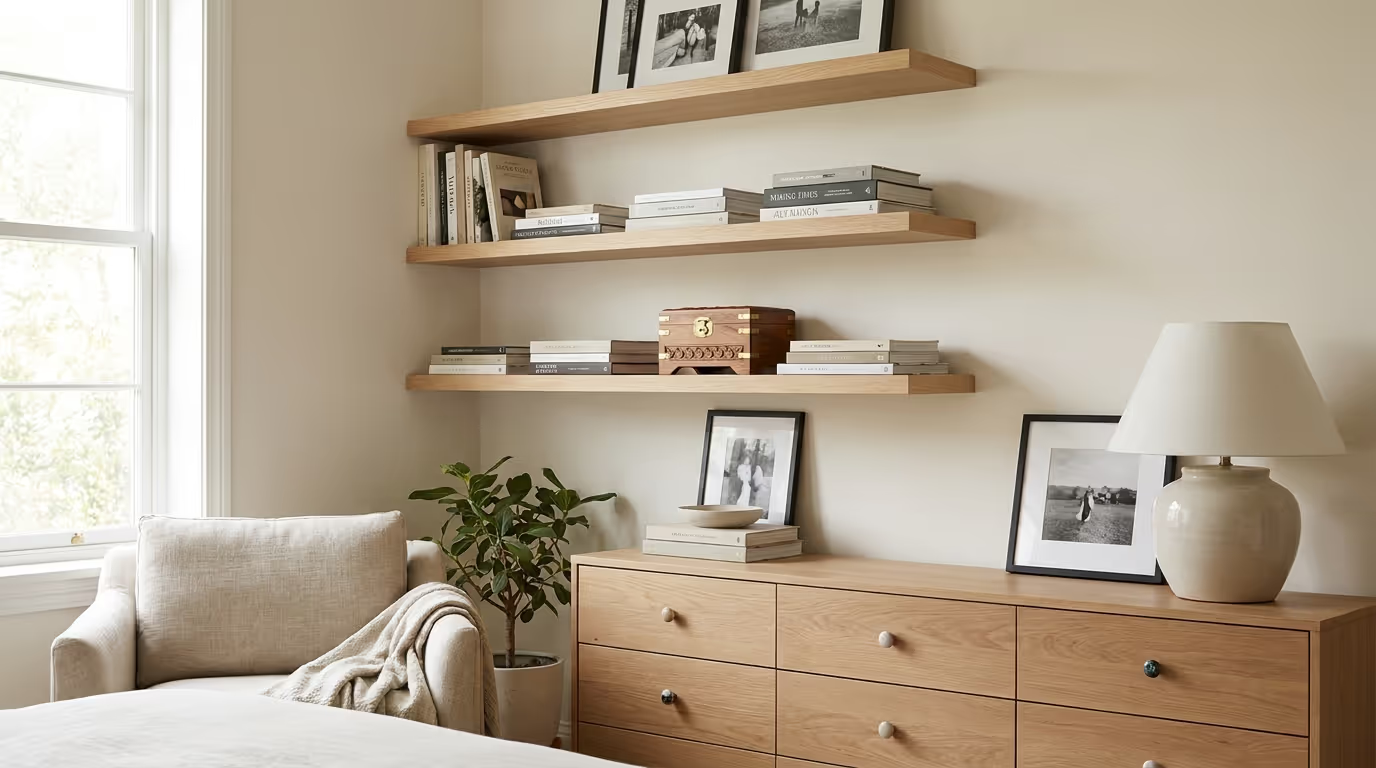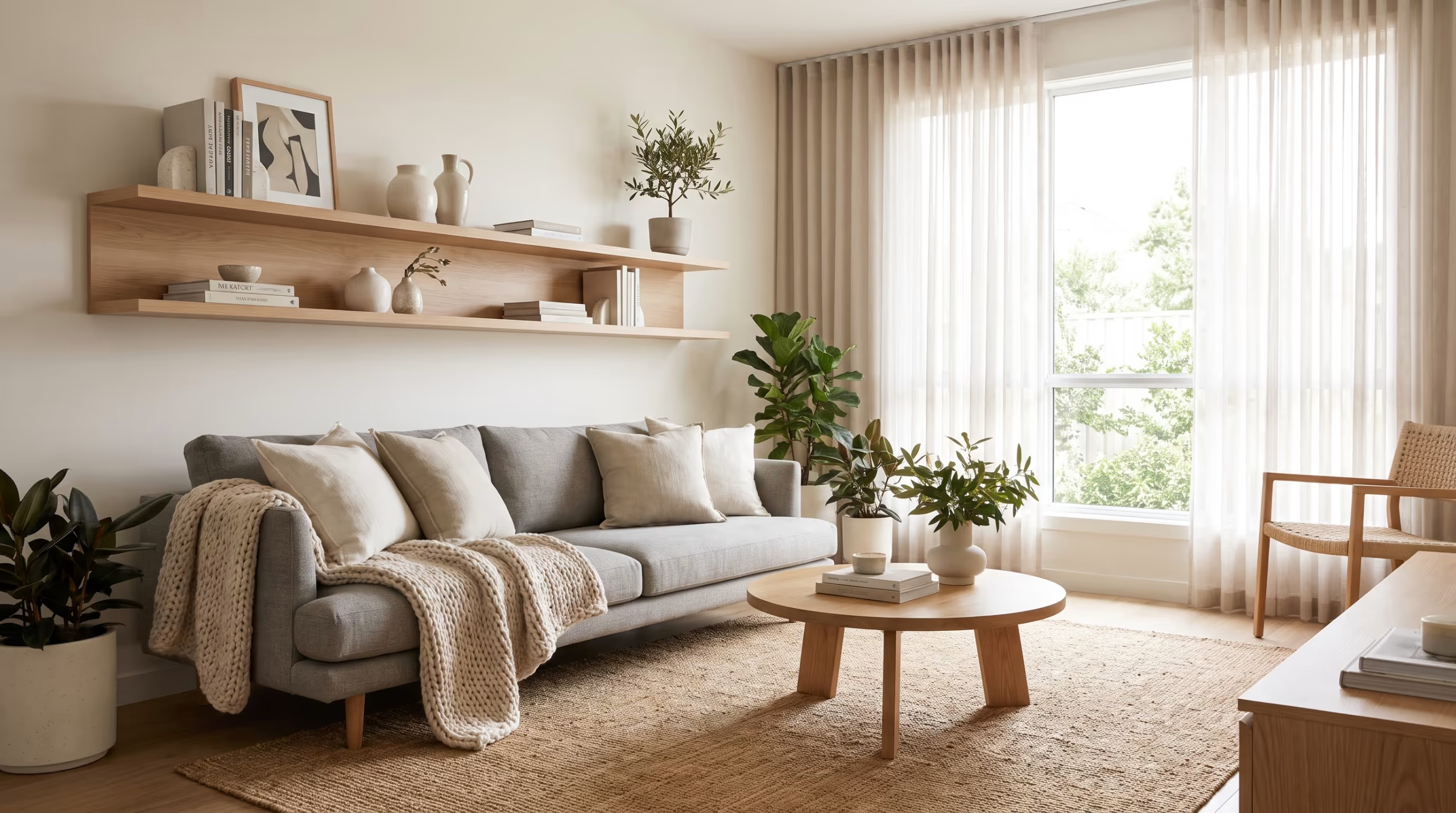
Furniture style is the backbone of how a home feels it’s the difference between a room that looks pulled-together and one that feels like a random collection of pieces bought without a plan. Every couch, table, shelf, and chair you bring into a space either reinforces a coherent look or works against it. Yet most people don’t think about furniture style until they’re standing in a showroom or scrolling through an online store, overwhelmed by options that all look appealing in isolation but don’t necessarily belong together.
Whether you’re furnishing a brand-new home, redoing a single room, or just trying to figure out what you actually like, understanding the major furniture styles gives you a framework to make confident decisions. It turns furniture shopping from a guessing game into a deliberate process. In this guide, we’ll walk through the most popular furniture styles today, what defines each one, the materials and colours associated with them, and how to choose or blend styles that genuinely suit your space and your lifestyle.
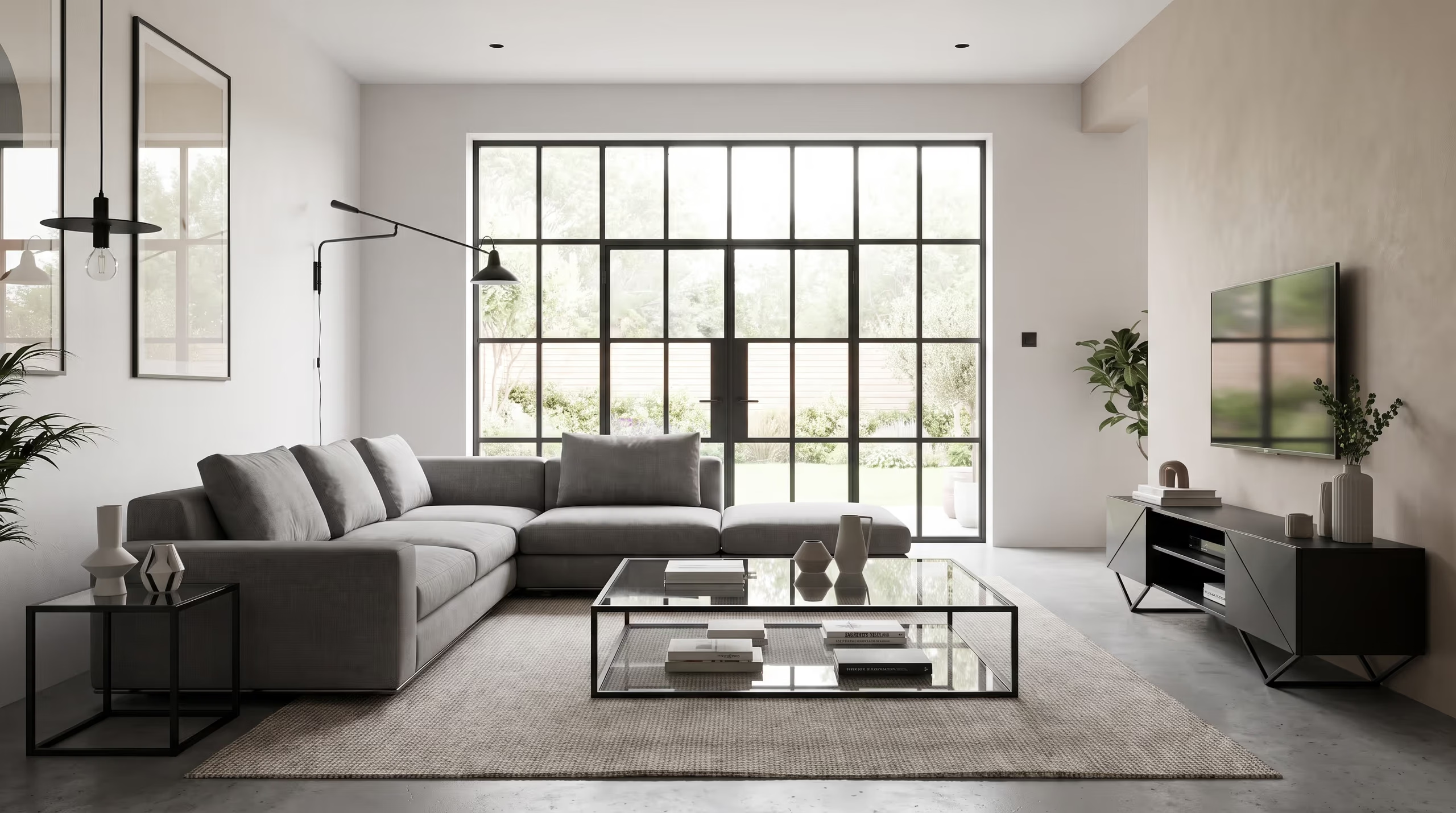
Why Understanding Furniture Styles Matters
Buying furniture piece by piece without a clear style in mind is one of the fastest ways to end up with a room that feels disjointed. You might love an individual armchair, a particular dining table, or a specific shelving unit, but if none of them share a common thread in material, colour, or form, the room as a whole won’t feel finished — no matter how much you spend on each piece.
When you understand furniture styles, you can shop with intention. You develop a filter for every purchase decision: does this fit the look I’m building, or does it fight against it? This doesn’t mean every single item needs to match perfectly, but it does mean there should be a logic connecting them, whether that’s a shared colour palette, a consistent material choice, or a unifying silhouette.
Knowing your style also has a practical, financial benefit. Instead of buying and returning pieces that don’t fit the vibe once they’re actually in the room, you build a cohesive space from the start. This is especially valuable for bigger investment pieces like sofas, dining sets, or custom storage, where mistakes are expensive and hard to reverse. Understanding furniture style essentially works as a decision-making shortcut, saving both time and money over the life of furnishing a home.
It’s also worth remembering that furniture style isn’t just about big statement pieces. Storage, shelving, and smaller functional items all contribute to the overall aesthetic just as much as a sofa or bed frame does.
If you’re starting to build out a room and want pieces flexible enough to complement almost any aesthetic direction, it helps to browse a broad, adaptable collection first. Explore our full furniture and shelving range here.
Popular Furniture Styles Explained
There’s no single “correct” furniture style — the right one depends on your space, your lifestyle, the climate and light in your home, and simply what feels right to live with every day. Some styles prioritise warmth and comfort, others prioritise clean function, and some sit somewhere in between. Here are the styles that come up most often when people are furnishing a home, along with what defines each one and where it works best.
Modern Furniture Style
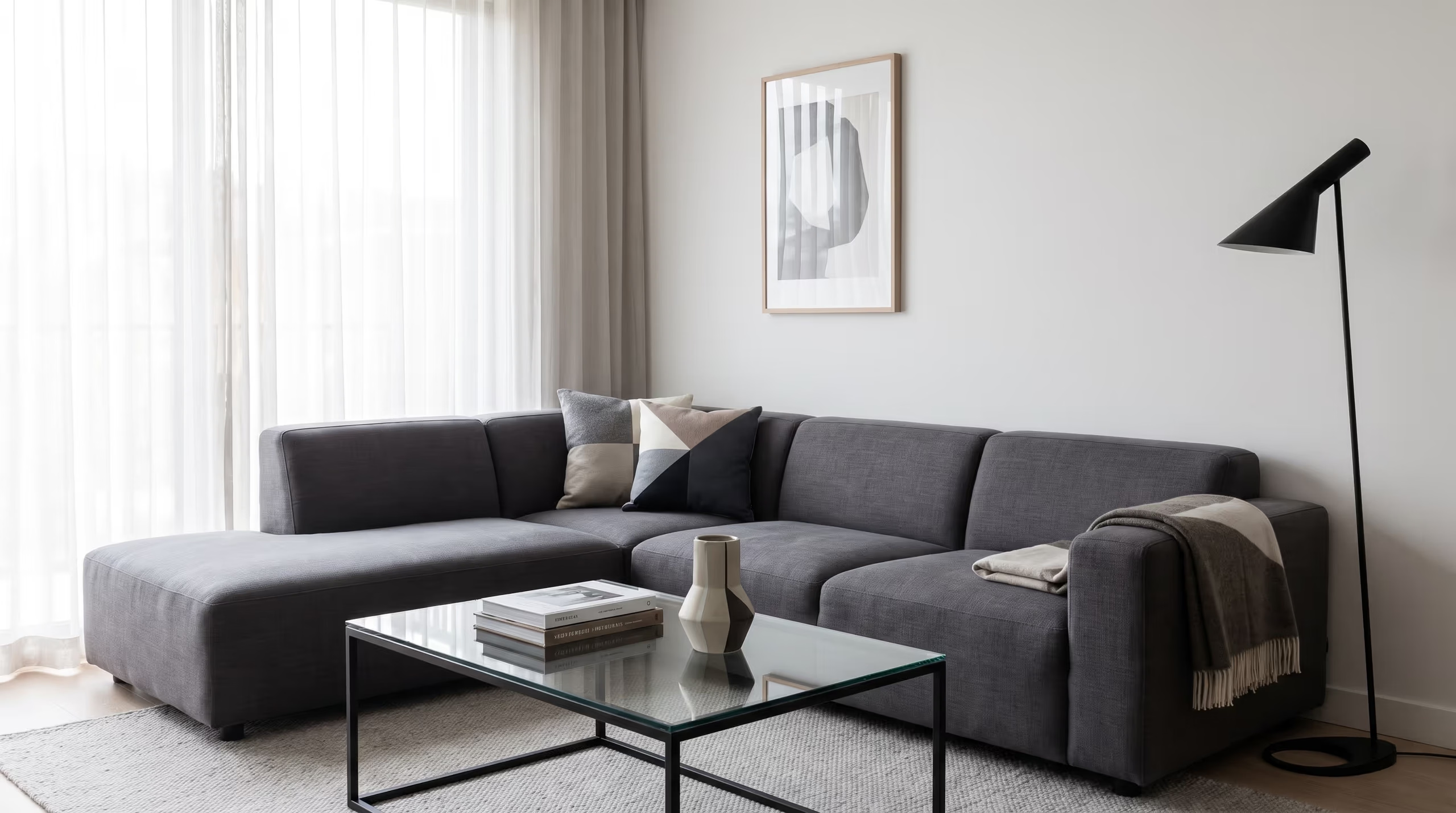
Modern furniture style refers to a specific design movement rooted in the early-to-mid 1900s, distinct from “contemporary” despite the two terms often being used interchangeably. True modern style is characterised by clean lines, minimal ornamentation, and a strong focus on function over decoration. Materials like metal, glass, moulded plastic, and smooth lacquered wood are common, often paired with neutral tones or occasional bold primary colours as accents — a nod to designers like Eames and Le Corbusier who shaped the movement.
Modern furniture tends to favour geometric shapes over curves, and pieces are typically low-profile, allowing rooms to feel more open and airy. It works particularly well in open-plan living spaces where you want each piece to feel purposeful rather than decorative, avoiding visual clutter. It pairs naturally with simple, unfussy storage — a wall-mounted shelf or a clean-lined bracket system fits the aesthetic without competing with it, adding function while preserving the uncluttered look modern design is known for.
Contemporary Furniture Style
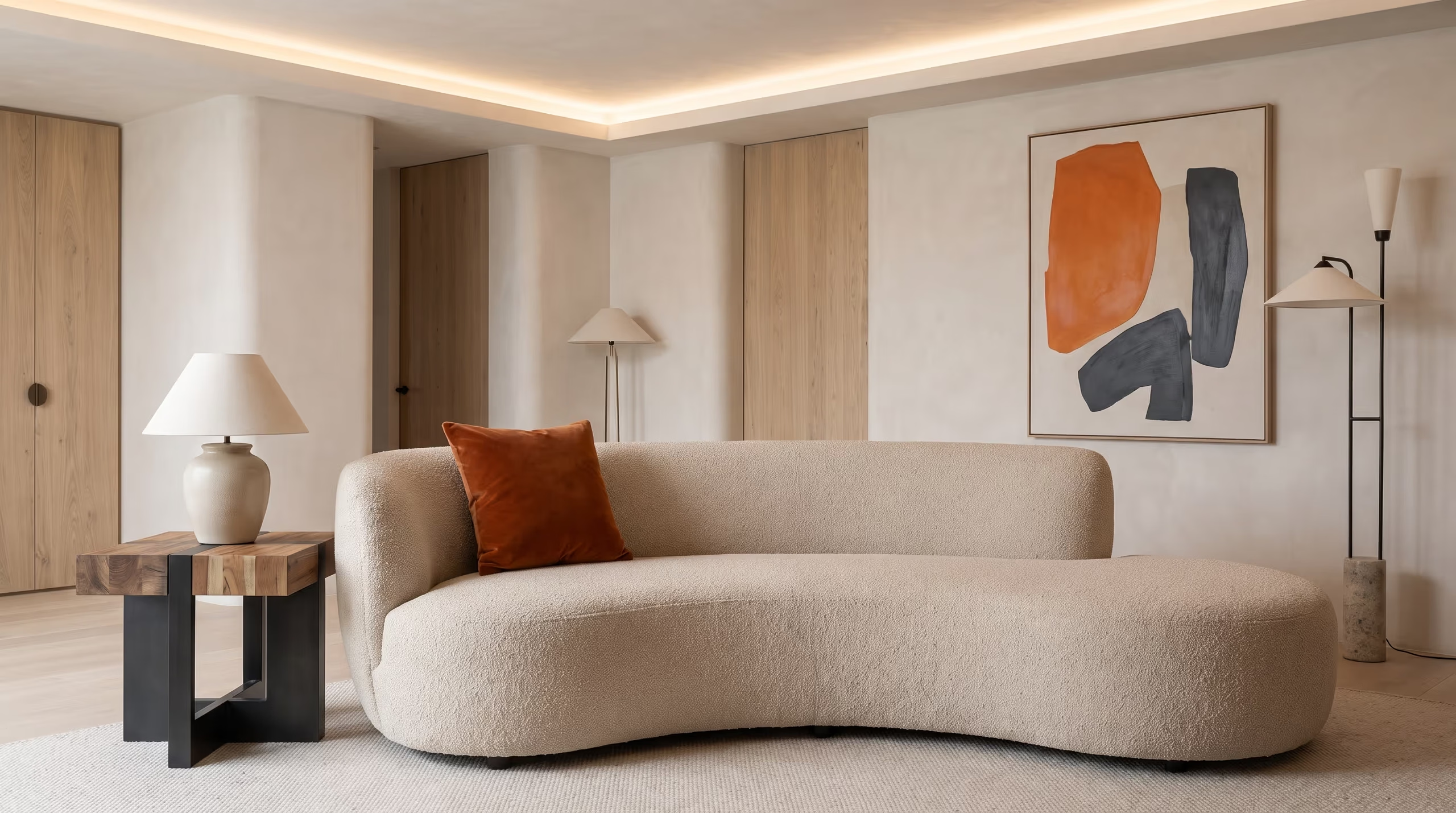
Contemporary furniture style is often confused with modern, but it actually refers to whatever is currently in fashion — meaning, by definition, it evolves rather than being tied to a fixed historical period. Right now, contemporary style tends to favour soft curves alongside straight lines, neutral palettes punctuated with occasional bold accents, and a mix of natural and synthetic materials such as wood paired with metal or glass.
This style suits homeowners who want something current without committing permanently to a specific historical movement. It’s flexible enough to absorb trend pieces — a curved velvet chair, a sculptural coffee table — while keeping a cohesive, updated look throughout the home. Because contemporary style shifts with the times, it also tends to be the easiest style to refresh incrementally, swapping in a few new pieces every few years without needing to overhaul the whole room.
Minimalist Furniture Style
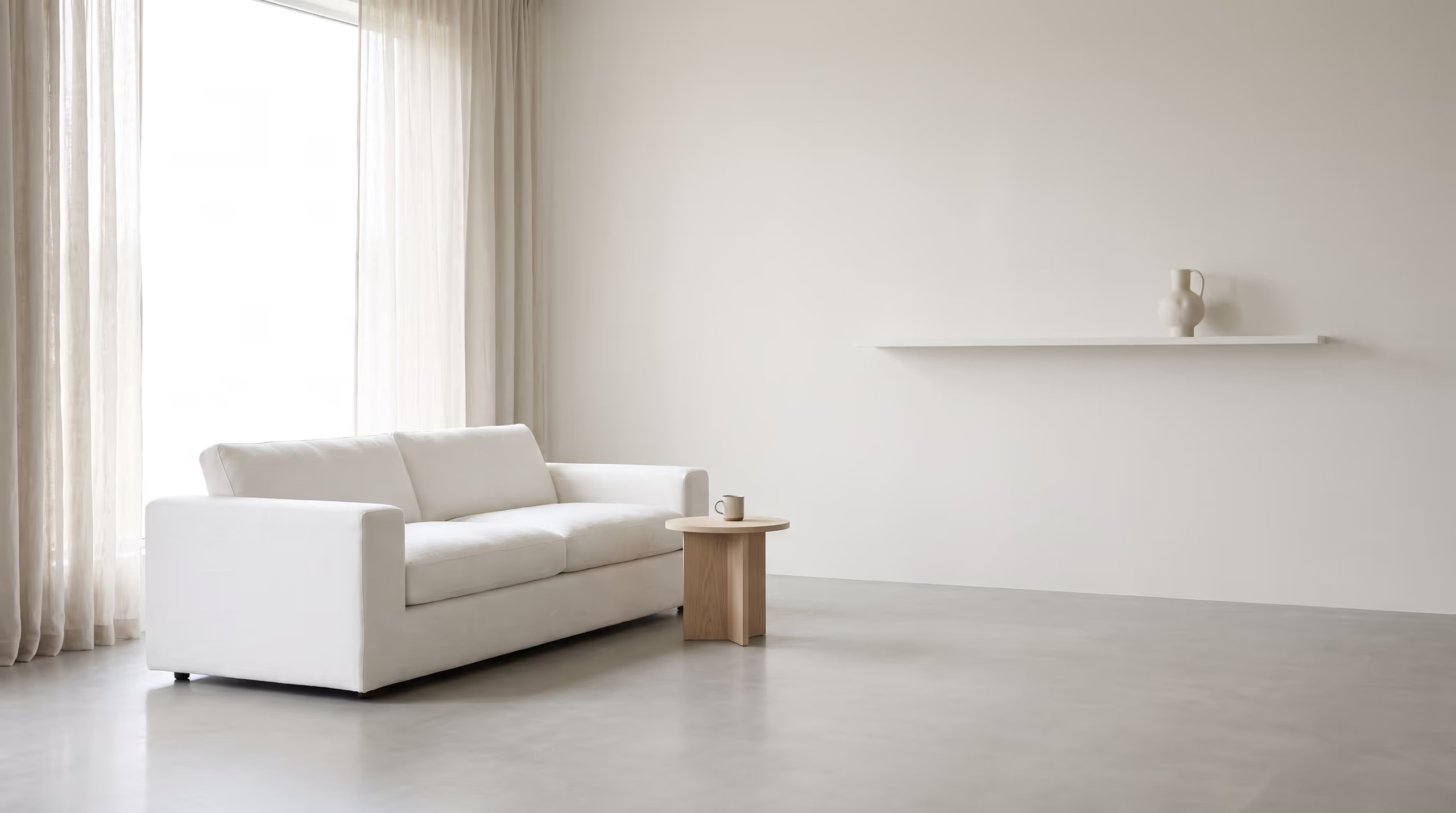
Minimalist furniture is built around the idea that less is more. Every piece has to earn its place in the room — there’s no excess ornamentation, no unnecessary detailing, and colour palettes are typically restrained to whites, greys, blacks, and natural wood tones. Furniture silhouettes are simple and often low to the ground, with an emphasis on negative space as much as the furniture itself.
Storage is a key challenge in minimalist spaces, since clutter undermines the whole aesthetic almost instantly. A single stray pile of books or mismatched storage box can throw off an otherwise carefully considered room. This is where wall-mounted storage becomes especially useful — a floating shelf keeps surfaces clear while still giving you a place to display the few objects you choose to keep visible, supporting the “everything has a place” philosophy that minimalist interiors depend on.
Scandinavian Furniture Style
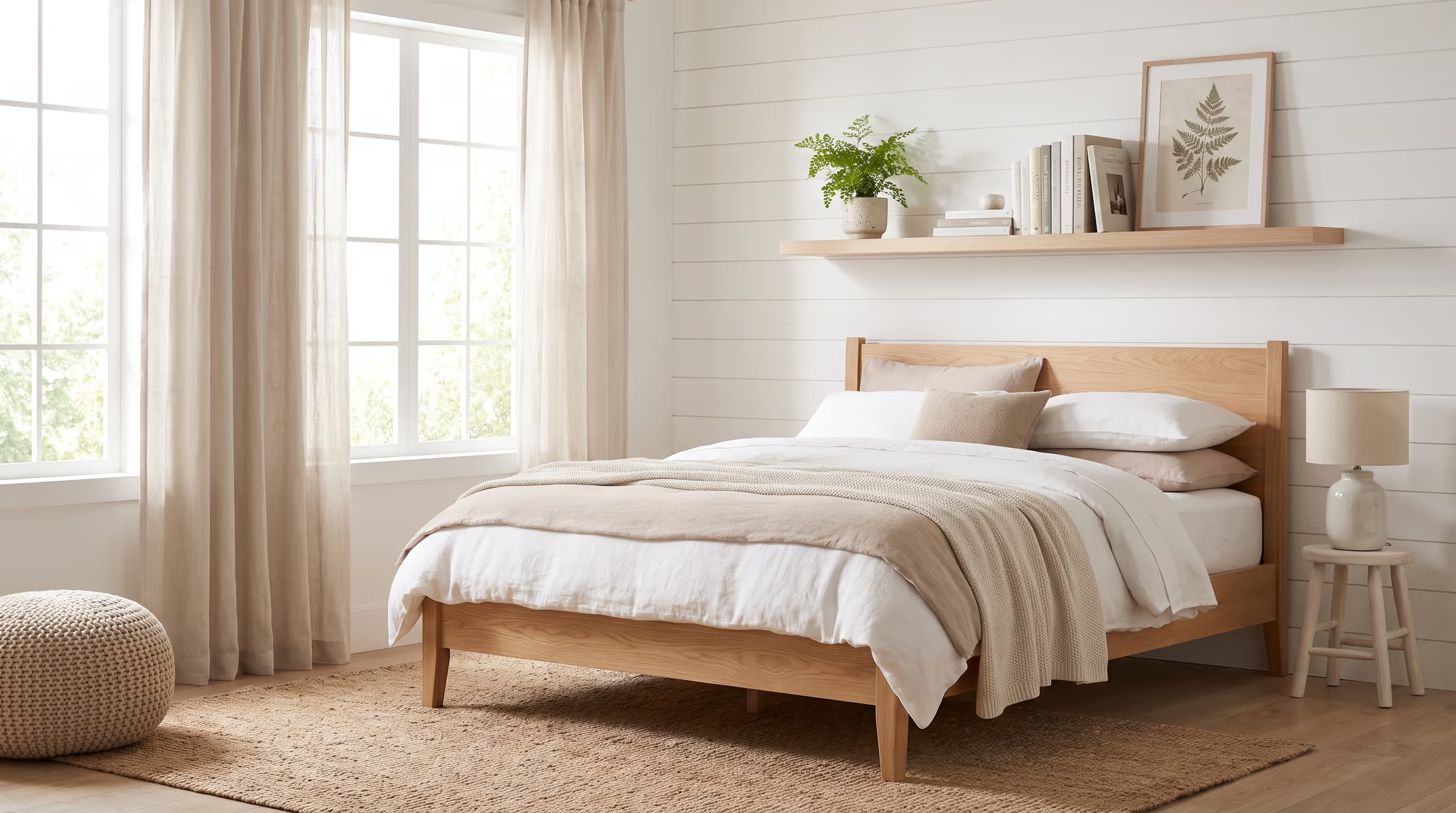
Scandinavian furniture style blends minimalism with warmth, a balance that has made it one of the most consistently popular styles globally over the past decade. It leans on light timber, soft neutral colours like white, beige, and pale grey, and simple silhouettes, but avoids feeling cold or clinical by incorporating natural textures like wool, linen, and untreated or lightly finished wood.
Functionality is central to Scandinavian design — furniture is expected to be practical and comfortable as well as beautiful, reflecting the design philosophy’s Nordic origins where long winters make cosy, liveable interiors a priority. A light timber floating shelf or bracket system is a natural fit here, adding storage without breaking the airy, uncluttered feel the style is known for, while still contributing warmth through the timber’s natural grain.
Industrial Furniture Style
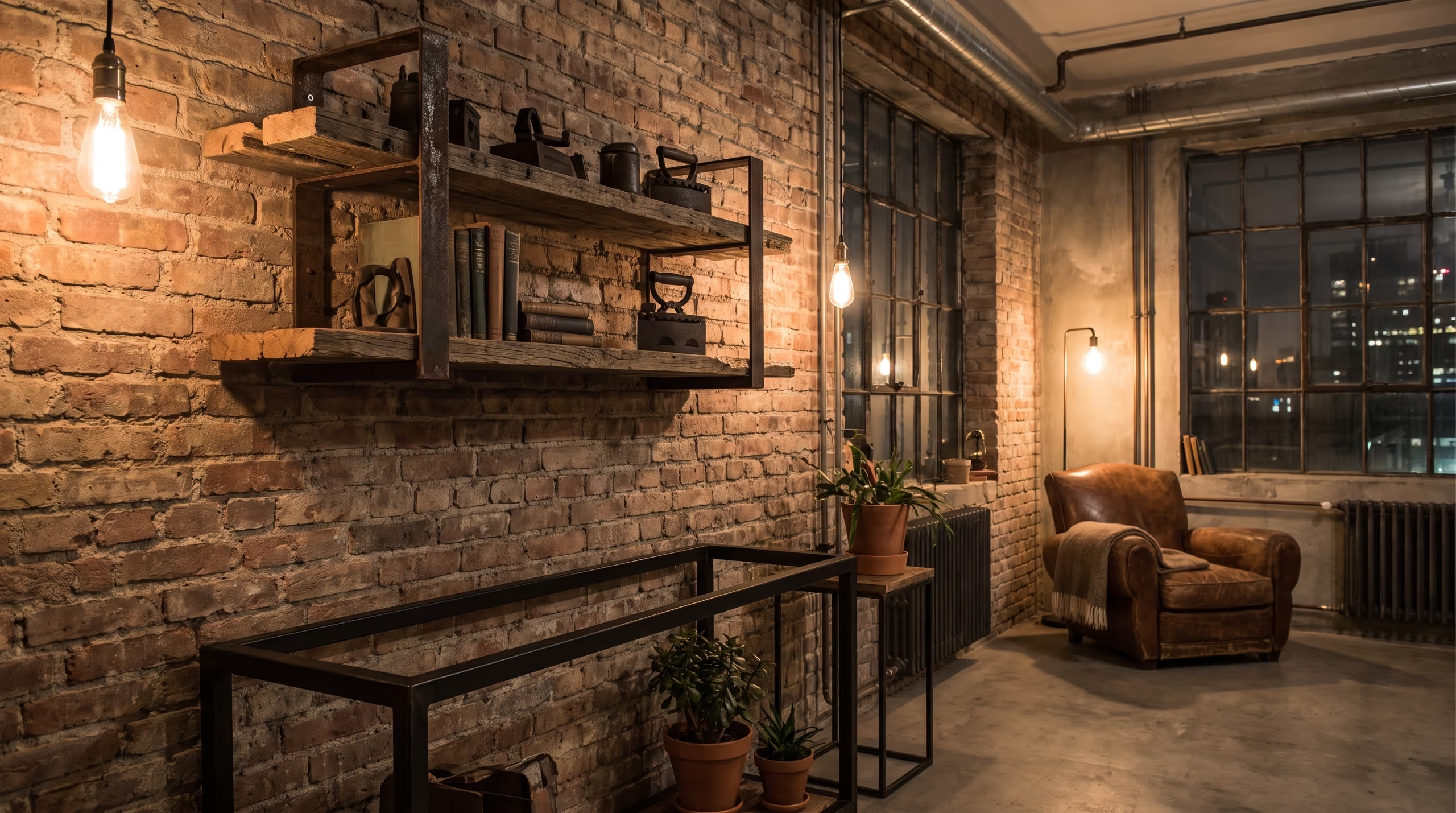
Industrial furniture style takes cues from old factories, warehouses, and workshops, favouring raw materials like exposed metal, reclaimed wood, and unfinished or weathered surfaces. Furniture in this style often looks intentionally rugged, with visible hardware, dark metal frames, exposed bolts, and timber finishes that show grain, knots, and imperfections rather than hiding them.
This style works particularly well in loft-style apartments, converted warehouses, or any home that wants to lean into texture and character rather than polish and symmetry. Colour palettes tend toward dark metals, charcoal, and warm browns. Metal bracket shelving pairs naturally with industrial interiors, echoing the raw, structural feel of the rest of the room and reinforcing the “form follows function” attitude the style is built around.
Traditional/Classic Furniture Style
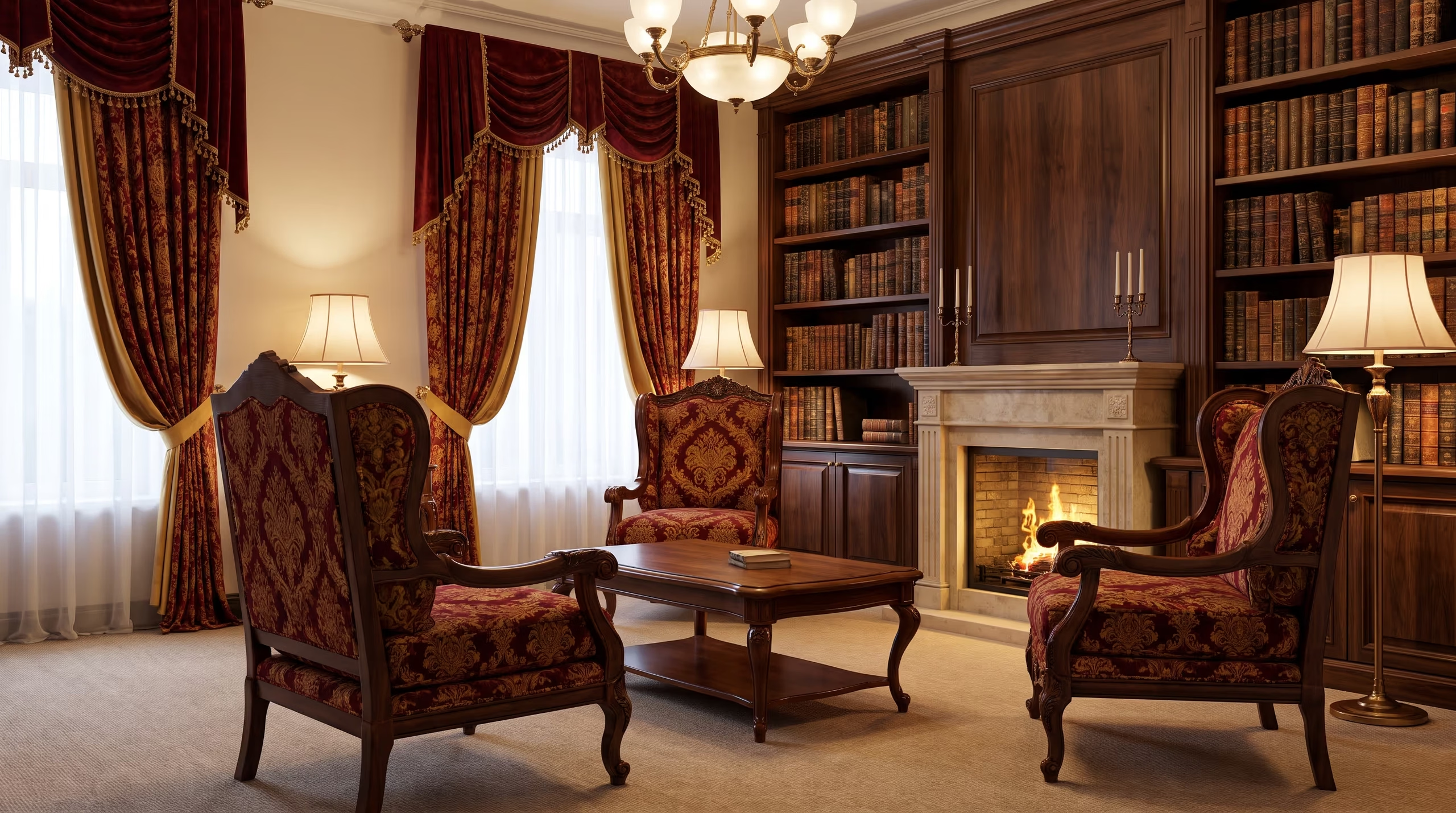
Traditional furniture style draws from 18th- and 19th-century European design, featuring ornate detailing, rich wood tones, curved silhouettes, carved legs, and classic upholstery patterns like florals, damasks, or stripes. It’s a style associated with formality, symmetry, and craftsmanship, often found in homes that favour a more established, timeless aesthetic over current trends.
Homeowners who want a look that won’t feel dated in a decade because it’s rooted in a much older design tradition often gravitate toward traditional furniture. Dark timber shelving or built-in bookshelves complement this style particularly well, echoing the rich wood tones and craftsmanship typical of classic interiors while offering practical, elegant storage for books and display pieces.
Rustic/Farmhouse Furniture Style
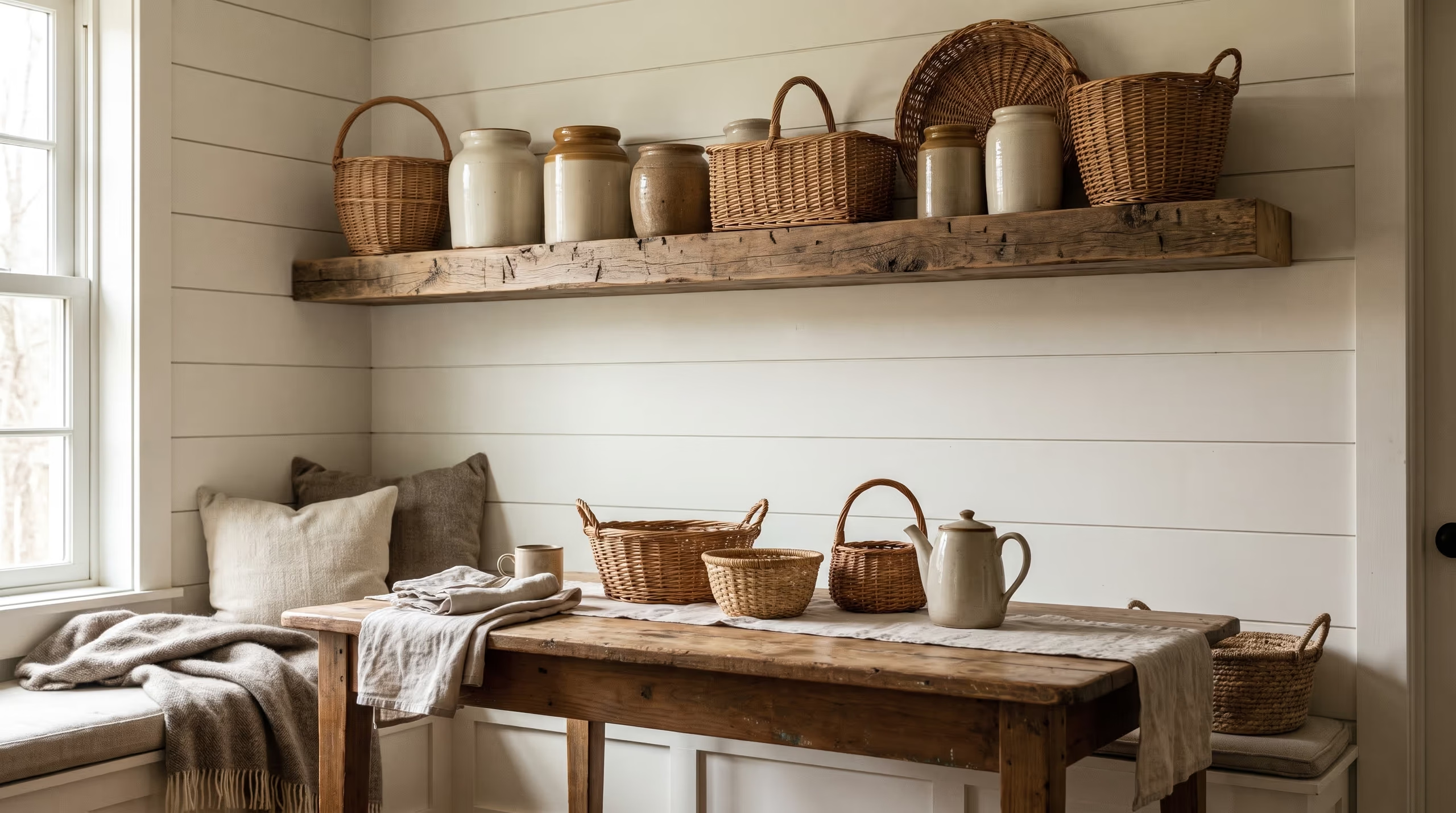
Rustic and farmhouse furniture styles celebrate natural imperfection think distressed wood, visible grain, exposed joinery, and a warm, lived-in feel rather than a polished showroom look. Colour palettes tend toward warm neutrals, creams, and soft greys, and materials favour solid timber over engineered alternatives, often left with a matte or lightly whitewashed finish.
This style suits homes that want to feel cosy and welcoming rather than sleek or formal, and it has remained popular for its approachable, unpretentious character. Off-white or natural timber floating shelves are a strong match for farmhouse interiors, adding functional storage while keeping the relaxed, homely character of the room intact, particularly effective in kitchens and dining spaces where farmhouse style is most common.
Mid-Century Modern Furniture Style
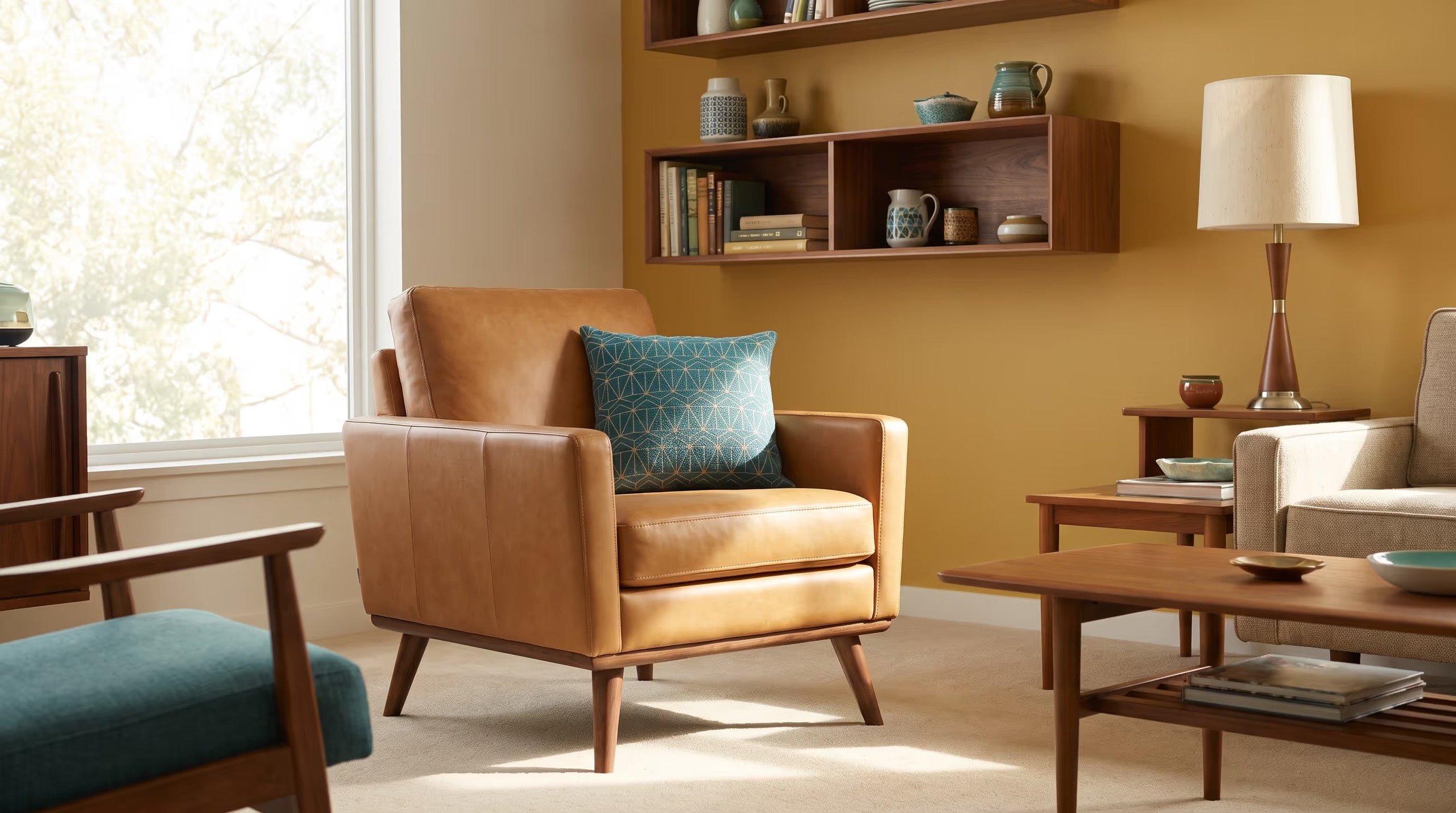
Mid-century modern furniture style, popularised in the 1950s and 60s, is defined by tapered legs, organic curves, a mix of natural wood with bold accent colours like mustard, teal, or burnt orange, and an emphasis on both form and function working together seamlessly. It remains one of the most enduringly popular styles because it manages to feel both nostalgic and current at the same time.
This style works particularly well in living and dining spaces where a few statement pieces — an iconic armchair, a sculptural sideboard can define the room without needing to be surrounded by clutter. Simple wood shelving with visible grain and clean lines complements mid-century pieces without pulling focus from the furniture itself, acting as a quiet, functional backdrop to the statement items in the room.
Not sure which direction suits your space? Get in touch with our team for free styling advice on choosing furniture and storage that fits your home and your budget.
How to Choose the Right Furniture Style for Your Home
With so many furniture styles to choose from, narrowing it down comes down to a handful of practical factors rather than pure inspiration alone.
Start with what’s already in the room. If you have existing furniture you’re not replacing a sofa, a bed frame, an inherited dining table choose a new furniture style that complements it rather than clashes with it. Consider your room size too: heavier traditional or rustic pieces can overwhelm a small space, while minimalist and Scandinavian styles tend to make compact rooms feel more open and breathable thanks to their lighter visual weight.
Personal taste matters more than trend-chasing. A furniture style you’ll still love in five years is a far better investment than one that photographs well today but doesn’t reflect how you actually want to live day to day. Think about how you use the space — do you need durability for kids and pets, or is the room more for quiet, formal entertaining? This practical use case often narrows down suitable furniture styles just as much as aesthetics do.
Budget is another practical factor worth weighing early. Some styles, like industrial or traditional, often come with a higher price tag due to the materials and craftsmanship involved, while minimalist and Scandinavian pieces can sometimes be more accessible depending on the brand and materials used. Finally, don’t feel locked into a single style. Many of the best-looking homes mix elements — a mid-century sofa with Scandinavian shelving, or an industrial coffee table in an otherwise contemporary room — as long as materials and colour palettes stay coordinated across the space.
Combining Furniture Styles with Smart Storage Solutions
Whatever furniture style you land on, storage is usually the final piece of the puzzle — and it’s often the one homeowners overlook until the room already feels cluttered despite the furniture itself looking great. Wall-mounted and floating storage solutions work across nearly every style covered above, because they can be finished in materials and tones that match your existing furniture rather than competing with it for attention.
A timber floating shelf can lean rustic or Scandinavian depending on its finish and colour, while a glass shelf slots naturally into modern or contemporary spaces where reflective, clean-lined materials are already part of the palette. Metal bracket systems suit industrial interiors, reinforcing the raw, structural aesthetic, and darker timber options complement traditional and mid-century pieces with matching wood tones. The key is choosing storage that extends your chosen furniture style rather than treating it as an afterthought bolted on at the end of the process.
This is especially true in smaller homes or apartments, where floor space is limited, and every piece of furniture needs to work harder. A well-placed floating shelf can replace a bulky bookcase or sideboard entirely, freeing up floor space while still delivering the storage and display function those larger pieces would normally provide — all without breaking the furniture style you’ve worked to establish throughout the room.
Ready to add functional, style-matched storage to your space? Shop our full range of NZ-made floating shelves and furniture here.
Conclusion
Furniture styles give you a framework for building a home that feels intentional rather than accidental. From clean-lined modern pieces to warm rustic timber, from the formality of traditional design to the nostalgic charm of mid-century modern, each style has its own character, materials, and best-fit spaces. Whether you commit fully to one furniture style or thoughtfully blend a few, the goal is a home that feels consistent, comfortable, and genuinely yours — right down to the shelving and storage that ties every element of the room together.
If you’re ready to bring your chosen furniture style to life with premium, NZ-made shelving, browse our full collection today and find pieces built to match.
FAQs
What are the main types of furniture styles?
The main furniture styles include modern, contemporary, minimalist, Scandinavian, industrial, traditional, rustic/farmhouse, and mid-century modern. Each style has its own defining materials, colours, and silhouettes, though many homes blend two or more styles together.
What’s the difference between modern and contemporary furniture style?
Modern furniture style refers to a specific design movement from the early-to-mid 1900s, with fixed characteristics like clean lines and minimal ornamentation. Contemporary style, by contrast, refers to whatever is currently trending, so it evolves over time rather than staying tied to one historical period.
Can I mix different furniture styles in one room?
Yes — many well-designed homes combine elements from multiple furniture styles, such as a mid-century sofa paired with Scandinavian shelving. The key is keeping materials, colours, or silhouettes consistent enough that the mix feels intentional rather than random.
How do I know which furniture style suits my home?
Consider your existing furniture, room size, and how you actually use the space day to day. Smaller rooms often suit lighter styles like Scandinavian or minimalist, while larger spaces can carry heavier traditional or rustic pieces without feeling cramped.
Does shelving need to match my furniture style?
It doesn’t need to match exactly, but coordinating your shelving’s material and finish with your furniture style helps the room feel cohesive. For example, light timber shelving suits Scandinavian interiors, while metal bracket shelving complements industrial spaces.
Which furniture style is best for small spaces?
Minimalist and Scandinavian styles tend to work best in small spaces, since they favour light colours, simple silhouettes, and wall-mounted storage like floating shelves that free up floor space rather than bulky freestanding furniture.